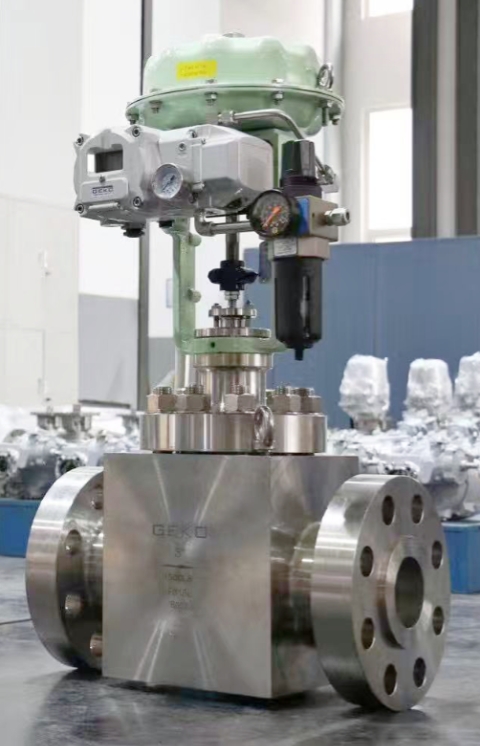
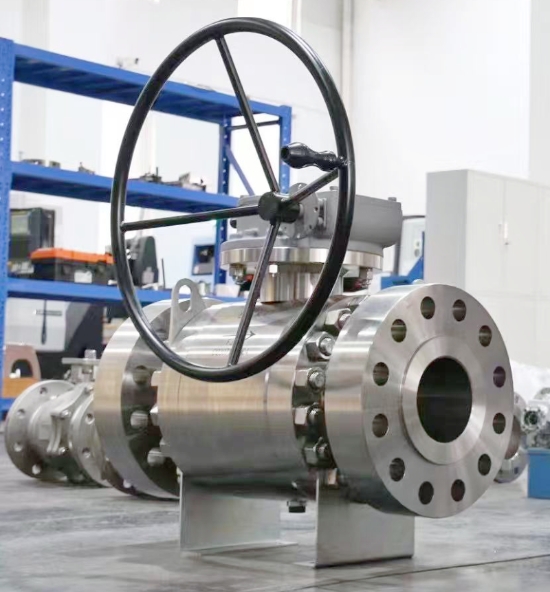
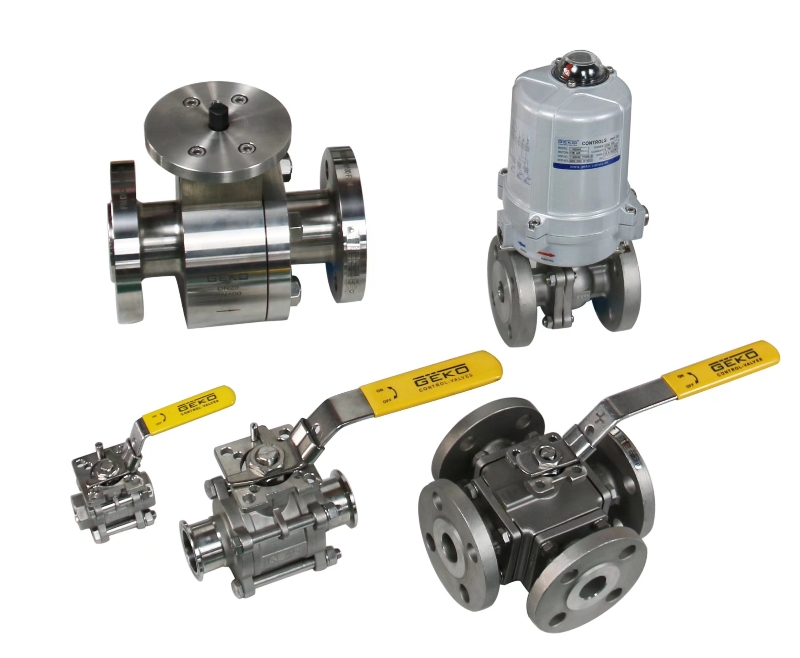
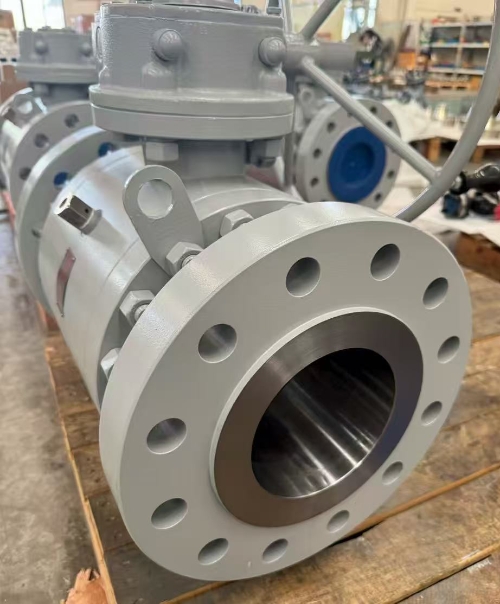
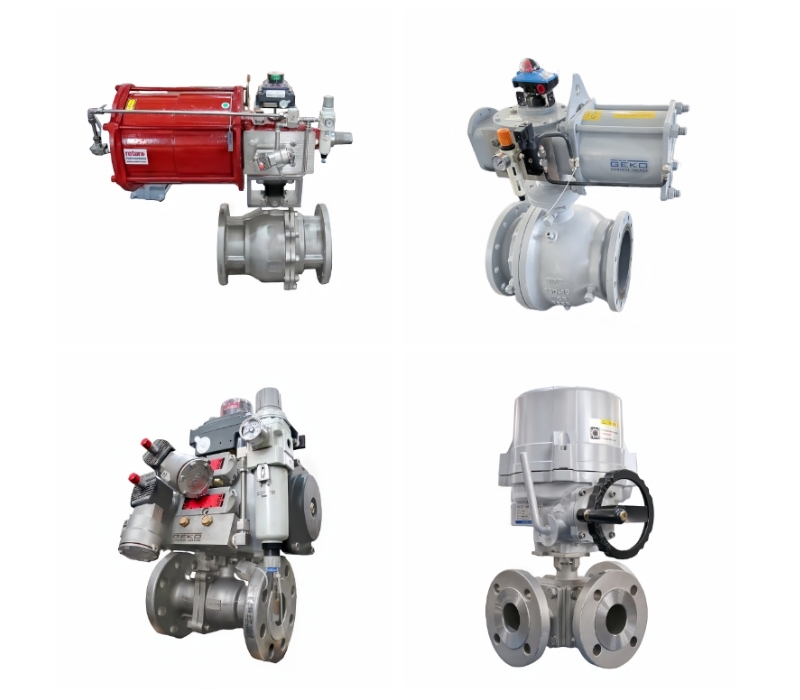
Vanne à bille haute pression

Maison

Vanne à bille haute pression

  • How to Choose the Right Ball Valve for Industrial Applications
    How to Choose the Right Ball Valve for Industrial Applications
    Sep 14, 2026
      Ball valves are indispensable fluid control components in industrial piping systems, widely used for medium isolation, flow regulation, and pipeline protection across various heavy-duty industries. Different from general civil valves, industrial ball valves need to adapt to complex working conditions such as high pressure, extreme temperature, corrosive media, and frequent switching cycles. Choosing a mismatched industrial ball valve will easily cause leakage, jamming, seal failure, and frequent equipment maintenance, seriously affecting production efficiency and pipeline safety. This professional guide systematically explains the full set of industrial ball valve selection methods and key judgment standards, helping engineers and procurement teams accurately select the most suitable ball valve for different industrial applications.   1. Confirm Industrial Working Condition Parameters (Core Selection Basis) All industrial ball valve selections must be based on actual pipeline working parameters. Clear and accurate condition confirmation is the primary premise to avoid selection errors.   1.1 Medium Characteristics Different fluid media determine the valve body material, sealing type and structural configuration. Clean media such as water, air and natural gas can adopt conventional soft-sealed ball valves with low cost and zero leakage. For corrosive media including acid, alkali and chemical solvents, anti-corrosion alloy or lined ball valves are required. For abrasive media such as slurry, coal ash and granular mixtures, wear-resistant hard-sealed ball valves must be selected to prevent rapid scouring damage to sealing surfaces.   1.2 Operating Pressure and Temperature Industrial pipelines have strict pressure and temperature rating requirements. Low-pressure and medium-pressure conventional industrial systems can use standard-pressure ball valves. Heavy-duty industrial scenarios such as oil and gas transmission, thermal power and petrochemical industries need high-pressure industrial ball valves with stable pressure resistance. In terms of temperature, normal-temperature media apply to polymer soft sealing; high-temperature steam and hot oil systems require high-temperature resistant metal-seated ball valves; ultra-low temperature industrial environments such as liquefied gas need professional cryogenic ball valves to ensure stable sealing performance in extreme cold conditions. 2. Select Ball Valve Structure According to Industrial Scenarios Different ball valve structural designs correspond to exclusive industrial application scenarios, and structural matching directly determines the service life and operational stability of the valve. 2.1 Floating vs Trunnion Mounted Structure Floating ball valves feature simple structure and cost-effective performance, suitable for small-bore, low and medium-pressure general industrial pipelines such as water treatment, HVAC and light chemical industries. Trunnion mounted ball valves adopt fixed trunnion support design, which can bear high pressure and frequent switching loads, and are the preferred structural type for large-diameter, high-pressure heavy-duty industrial pipelines such as long-distance oil and gas transmission and petrochemical refining systems. 2.2 Full Port vs Reduced Port Design Full port ball valves have a consistent inner diameter with the pipeline, with ultra-low flow resistance, no flow loss, and support pipeline pigging cleaning. They are suitable for industrial main pipelines with high flow demand and regular maintenance requirements. Reduced port ball valves are lightweight and low-cost, meeting the basic isolation needs of auxiliary industrial pipelines, and are widely used in non-critical industrial fluid control systems. 2.3 Integral Split Body Structure One-piece ball valves are compact and economical for simple industrial auxiliary pipelines. Two-piece ball valves are easy to disassemble and maintain, suitable for most standard industrial working conditions. Three-piece ball valves can disassemble the valve core without removing the valve body from the pipeline, which is more suitable for industrial pipelines that require frequent maintenance and uninterrupted production. 3. Sealing System Selection for Industrial Working Conditions The sealing system is the core component that determines the tightness and durability of industrial ball valves. Industrial scenarios are divided into soft sealing and metal hard sealing two mainstream types. Soft seated ball valves use PTFE and polymer composite materials, achieving bubble-tight zero leakage, applicable to clean, non-abrasive, normal-temperature industrial media. Metal seated ball valves adopt metal-to-metal hard sealing, with high temperature resistance, pressure resistance and abrasion resistance, solving the failure problem of soft seals in harsh industrial environments such as high temperature, high pressure and slurry scouring, and are the core choice for severe service industrial working conditions. 4. End Connection Mode Matching Reasonable selection of connection methods ensures stable installation and convenient maintenance of industrial valves: Flanged ball valves: Standard industrial connection, easy to install, disassemble and maintain, suitable for medium and large-diameter industrial main pipelines. Threaded ball valves: Compact structure, suitable for small-bore, low-pressure industrial auxiliary piping systems. Butt weld ball valves: Fully sealed and high-strength connection, no leakage risk, suitable for high-pressure, high-temperature and long-term continuous operation industrial pipelines. 5. Manual or Automated Operation Selection According to the industrial automation level and operation frequency of the pipeline system, select the appropriate driving method. Manual ball valves are suitable for low-frequency operation and simple manual control industrial scenarios. For modern intelligent industrial production lines, pneumatic actuated ball valves and electric actuated ball valves are configured to realize remote control, automatic switching and flow regulation, matching PLC and SCADA industrial control systems to meet unmanned production needs. 6. Common Industrial Selection Mistakes to Avoid Only selecting valves by caliber size, ignoring pressure temperature rating and medium adaptability. Using soft sealing valves in high-temperature and abrasive industrial working conditions, resulting in rapid seal aging and leakage. Blindly choosing high-spec heavy-duty valves, causing cost waste in general industrial scenarios. Mismatched actuator torque, leading to valve jamming and incomplete switching in high-pressure industrial pipelines. 7. Professional Industrial Ball Valve Solutions from GEKO Valve GEKO Valve focuses on the R&D and manufacturing of industrial-grade ball valves, providing full-series customized selection solutions for diverse industrial applications. Our product lineup covers floating and trunnion mounted ball valves, full port and reduced port ball valves, soft sealed and metal seated ball valves, as well as various flanged, threaded and welded connection types. We support manual, pneumatic and electric automated configurations, fully adapting to water treatment, chemical, petrochemical, oil and gas, power and other industrial fields. All industrial ball valves comply with international standards, with stable performance, strong working condition adaptability and low maintenance rate, providing reliable fluid control guarantee for global industrial pipeline projects. 9 Core SEO Keywords: Industrial Ball Valve, Heavy Duty Ball Valve, High Pressure Ball Valve, Industrial Isolation Valve, Automated Industrial Ball Valve, Three Piece Industrial Ball Valve, Metal Seated Industrial Ball Valve, Full Port Industrial Ball Valve, Corrosion Resistant Industrial Ball Valve
    EN SAVOIR PLUS
  • Ball Valves 101: Types, Applications, and Selection Criteria | GEKO Valve
    Ball Valves 101: Types, Applications, and Selection Criteria | GEKO Valve
    Sep 13, 2026
      Ball Valves 101: Types, Applications, and Selection Criteria Ball valves are foundational quarter-turn flow control components widely adopted in industrial piping systems worldwide. Renowned for their compact structure, fast 90-degree on/off operation, reliable tight shutoff, and exceptional durability, industrial ball valves outperform traditional gate valves and globe valves in most fluid isolation and regulation scenarios. For system designers, engineers, and procurement teams, understanding ball valve classifications, industry-specific applications, and standardized selection criteria is essential to eliminate pipeline failures, reduce maintenance costs, and optimize system operational efficiency. This Ball Valves 101 guide delivers systematic, easy-to-understand professional knowledge for accurate ball valve selection. 1. Primary Types of Industrial Ball Valves Industrial ball valves are categorized by structural design, bore specification, sealing configuration, and actuation method. Each type features unique performance characteristics and exclusive applicable working conditions:   1.1 Floating Ball Valve & Trunnion Mounted Ball Valve Floating ball valves feature a free-floating ball structure without fixed shaft support. Under medium pressure, the ball presses tightly against the downstream seat to achieve bubble-tight sealing. With a simple, lightweight structure and cost-effective advantages, floating ball valves are the ideal choice for small-size, low to medium-pressure conventional pipelines, extensively used in water treatment, HVAC, and general industrial fluid systems. Trunnion mounted ball valves adopt dual upper and lower trunnion fixed support design, which locks the ball in a stable position. This structure effectively reduces sealing seat pressure and operating torque, minimizing wear and extending service life. Suited for large-size, high-pressure, and high-cycle working scenarios, trunnion ball valves are the mainstream heavy-duty solution for oil & gas transmission, petrochemical refining, and long-distance industrial pipeline systems.   1.2 Full Port Ball Valve & Reduced Port Ball Valve Full port ball valves are designed with a straight-through bore matching the pipe inner diameter, achieving nearly zero flow resistance and ultra-low pipeline pressure drop. This design supports full pipeline pigging and cleaning operations, making it perfect for high-flow transmission pipelines and process main lines requiring unobstructed fluid passage and convenient daily maintenance. Reduced port ball valves adopt a streamlined reduced bore structure, featuring lighter weight, smaller volume, and lower manufacturing costs. Although the flow passage is slightly narrowed, it fully meets conventional isolation and flow control demands. It is the most cost-effective option for ordinary industrial pipelines without strict low-pressure-drop or pigging requirements.   1.3 Soft Seated & Metal Seated Ball Valve Soft seated ball valves utilize high-performance PTFE and polymer composite sealing materials, achieving absolute zero leakage under normal temperature and clean medium conditions. With low friction coefficient and flexible switching performance, they are widely applied in clean water, compressed air, natural gas, and non-abrasive conventional chemical media. Metal seated ball valves adopt professional metal-to-metal hard sealing structure with alloy hard-facing treatment on sealing surfaces. Featuring excellent high-temperature resistance, high-pressure resistance, and abrasion resistance, they can stably operate in harsh environments such as abrasive slurry, corrosive media, and repeated thermal cycling, solving the aging and failure problems of soft sealing materials. 1.4 Manual & Actuated Ball Valves Manual ball valves with handle or gear operation are suitable for low-frequency manual control scenarios, with simple structure and low maintenance cost. For modern automated industrial systems,pneumatic actuated ball valves and electric actuated ball valves are essential configurations. Pneumatic ball valves provide fast switching speed and reliable explosion-proof performance for flammable and hazardous working conditions. Electric ball valves support precise flow modulation and remote signal linkage, perfectly matching PLC and SCADA intelligent control systems.   2. Common Industrial Applications of Ball Valves Different ball valve types correspond to targeted industrial scenarios. Reasonable type matching based on process characteristics ensures long-term stable and reliable pipeline operation: Water Treatment & HVAC Systems: Soft seated floating ball valves and reduced port ball valves are widely used for water supply, drainage, and central air conditioning circulation pipelines, balancing cost and sealing stability. Oil & Gas Industry: Heavy-duty trunnion mounted ball valves and full port ball valves are adopted for long-distance transmission pipelines to ensure low pressure loss and support professional pipeline pigging maintenance. Chemical & Petrochemical Plants: High-performance metal seated ball valves and anti-corrosion ball valves are configured for high-temperature, corrosive, and abrasive process media to adapt to severe service conditions. Power Generation & Thermal Energy: High-temperature resistant metal seated ball valves are applied for steam pipelines, thermal cycling systems, and high-pressure process equipment to resist extreme temperature changes and medium scouring. Intelligent Manufacturing: Automated pneumatic and electric actuated ball valves realize unmanned switching, remote monitoring, and precise flow regulation for intelligent production pipelines. 3. Standard Ball Valve Selection Criteria Scientific ball valve selection must follow standardized criteria, avoiding simple size-only matching. The core selection rules cover structure, sealing, bore type, actuation, and working condition adaptation: Structural Selection Criteria: Choose floating ball valves for small-bore, low and medium-pressure conventional pipelines; select trunnion mounted ball valves for large-bore, high-pressure, and high-frequency cycling heavy-duty pipelines. Sealing Selection Criteria: Adopt soft seated ball valves for normal-temperature, clean, non-abrasive media requiring zero leakage; use metal seated ball valves for high-temperature, high-pressure, abrasive, and corrosive harsh working conditions. Bore Type Selection Criteria: Prioritize full port ball valves for high-flow, low-pressure-drop pipelines and systems requiring pigging cleaning; choose reduced port ball valves for general isolation scenarios to save project costs. Actuation Selection Criteria: Configure manual operation for low-frequency switching; select pneumatic actuators for explosion-proof hazardous areas; adopt electric actuators for remote intelligent control and precise flow regulation. Working Condition Matching Criteria: Verify valve pressure class, temperature resistance grade, and material compatibility according to actual medium characteristics, operating temperature, and maximum working pressure to prevent sealing failure and valve damage. 4. Key Benefits of High-Quality Industrial Ball Valves Qualified industrial ball valves deliver irreplaceable advantages for modern fluid control systems, including fast quarter-turn operation, compact installation space, bubble-tight shutoff performance, strong medium adaptability, and low long-term maintenance cost. Whether for general civil piping or heavy-duty industrial process systems, properly selected ball valves can effectively improve pipeline operational efficiency and reduce system failure rates. 5. GEKO Valve Reliable Ball Valve Solutions GEKO Valve provides a full lineup of standardized and customized industrial ball valves, covering floating ball valves, trunnion mounted ball valves, full port & reduced port ball valves, soft seated & metal seated ball valves, and complete pneumatic/electric actuated ball valve packages. All products comply with international industrial standards, with rigorous quality inspection and stable performance. We provide professional one-stop selection guidance to match the most suitable ball valve for different industrial working conditions, delivering high-reliability and low-maintenance fluid control solutions for global industrial projects. 9 Core SEO Keywords: Industrial Ball Valve, High Pressure Ball Valve, Low Pressure Ball Valve, API Standard Ball Valve, Process Ball Valve, Quarter Turn Ball Valve, Isolation Ball Valve, Corrosion Resistant Ball Valve, Automated Ball Valve
    EN SAVOIR PLUS
  • Mastering Ball Valves: A Comprehensive Selection Guide | GEKO Valve
    Mastering Ball Valves: A Comprehensive Selection Guide | GEKO Valve
    Sep 07, 2026
    Mastering Ball Valves: A Comprehensive Selection Guide Ball valves are foundational fluid control components in modern industrial piping systems, trusted for their exceptional sealing performance, fast quarter‑turn operation, compact structure, and long operational lifespan. From general commercial piping to heavy‑duty oil and gas, petrochemical, and power generation facilities, industrial ball valves deliver reliable isolation and flow regulation for countless process conditions. Mastering professional ball valve selection is critical to eliminate pipeline leakage, reduce pressure loss, avoid equipment jamming, and minimize long‑term maintenance costs. This comprehensive guide fully elaborates on ball valve classifications, core performance characteristics, industry‑specific applications, and authoritative selection standards to help engineers and buyers master accurate valve matching for all working scenarios. 1. Complete Classification of Industrial Ball Valves Industrial ball valves are classified by structural mechanism, bore specification, sealing configuration, and driving mode. Each category features unique performance advantages and exclusive applicable working conditions: 1.1 Structural Classification: Floating vs Trunnion Mounted Ball Valve Floating ball valves adopt a free‑floating ball design with a simple, compact structure and cost‑effective advantages. The ball moves slightly under medium pressure and tightly presses against the downstream sealing seat to achieve bubble‑tight shutoff. This structure is ideal for small‑size, low to medium‑pressure conventional pipelines, widely used for general isolation and conventional flow control in water treatment, HVAC, and light chemical systems. Trunnion mounted ball valves feature dual upper and lower trunnion fixed support, completely locking the ball in place. This design transfers medium pressure load to the trunnion shaft instead of the sealing seat, effectively reducing operating torque and seat wear. It is the preferred heavy‑duty solution for large‑size, high‑pressure, high‑cycle industrial pipelines, dominating long‑distance oil and gas transmission, petrochemical refining, and heavy industrial process systems. 1.2 Bore Classification: Full Port vs Reduced Port Ball Valve Full port ball valves are designed with a straight through bore matching the pipe inner diameter, achieving nearly zero flow resistance and minimal industrial ball valve pressure drop. They fully support pipeline pigging and cleaning operations, making them essential for high‑flow transmission pipelines, process main lines, and systems with strict energy‑saving and low‑loss requirements. Reduced port ball valves adopt a streamlined reduced bore structure, featuring lighter weight, smaller volume, and lower manufacturing costs. Although the flow passage is slightly smaller, it fully meets conventional isolation and flow control demands. It is the most cost‑effective choice for ordinary industrial pipelines without pigging and ultra‑low pressure drop requirements. 1.3 Sealing Classification: Metal Seated vs Soft Seated Ball Valve Soft seated ball valves utilize high‑performance PTFE and polymer composite sealing materials, achieving absolute zero leakage under normal temperature and clean medium conditions. With low friction and flexible switching performance, they are suitable for clean water, compressed air, natural gas, and non‑abrasive chemical media, ensuring stable and reliable daily operation. Metal seated ball valves adopt hard alloy surfacing on sealing surfaces, possessing excellent high‑temperature resistance, high‑pressure resistance, and abrasion resistance. They can stably adapt to harsh working conditions such as high‑temperature thermal cycling, abrasive slurry, and corrosive media, completely solving the problems of soft seal aging, deformation, and failure in severe industrial environments. 1.4 Driving Classification: Manual vs Actuated Ball Valve Manual ball valves are equipped with handles or gear operators, suitable for low‑frequency manual operation scenarios with low cost and simple maintenance. For modern automated industrial systems,pneumatic actuated ball valves and electric actuated ball valves are mainstream configurations. Pneumatic ball valves provide fast switching speed and excellent explosion‑proof performance, adapting to flammable and hazardous working environments. Electric ball valves support precise flow modulation and remote signal linkage, perfectly matching PLC, SCADA, and intelligent pipeline control systems. 2. Core Performance Parameters for Professional Selection Accurate ball valve selection relies on standardized parameter verification rather than simple size matching. Core parameters that determine valve applicability include: - Flow Capacity (Cv Value): Professional ball valve Cv calculation ensures the valve’s flow capacity matches system flow demand, avoiding flow bottlenecks and excessive pipeline pressure loss. - Pressure & Temperature Rating: Match valve pressure class and temperature resistance grade according to maximum working pressure and extreme medium temperature to prevent seal failure and valve deformation. - Actuator Torque Matching: Scientifically calculate ball valve actuator torque based on actual pressure difference to ensure sufficient switching power and avoid jamming or incomplete valve opening/closing. - Medium Compatibility: Select sealing and body materials according to medium corrosion, abrasion, and viscosity to achieve long‑term stable operation. 3. Industry‑Specific Application Matching Rules Different industries have distinct process characteristics, requiring targeted ball valve configuration schemes: - Water Treatment & HVAC Systems: Adopt soft seated floating ball valves and reduced port ball valves, balancing cost, sealing stability, and low maintenance performance. - Oil & Gas Transmission: Prioritize full port trunnion mounted ball valves to meet high‑flow, low‑loss, and pipeline pigging maintenance requirements. - Petrochemical & Chemical Industry: Deploymetal seated ball valves and anti‑corrosion ball valves for high‑temperature, corrosive, and abrasive process media. - Thermal Power & Metallurgy: Use high‑temperature and wear‑resistant metal seated ball valves to adapt to steam, high‑temperature flue gas, and slag media. - Intelligent Manufacturing Industry: Equip pneumatic and electric actuated ball valves to realize automatic control, remote monitoring, and intelligent pipeline management. 4. Advanced Selection Tips to Avoid Operational Risks To master ball valve selection thoroughly, it is necessary to avoid conventional misunderstandings and form standardized selection logic: - Never select valves only by nominal pipe size; always verify Cv flow coefficient to prevent insufficient flow capacity and excessive industrial ball valve pressure drop. - Distinguish application boundaries of floating and trunnion structures: floating ball valves for small low‑pressure pipelines, trunnion mounted ball valves for large high‑pressure heavy‑duty systems. - Strictly separate soft and metal sealing scenarios: soft seals for clean normal‑temperature media, metal seals for high‑temperature, abrasive, and harsh corrosive media. - Reserve sufficient safety margin for actuator torque under high‑pressure differential conditions to eliminate switching failure risks. - Choose full port valves for pipelines requiring pigging cleaning to ensure smooth later maintenance. 5. GEKO Valve Professional Ball Valve Solutions As a professional industrial valve manufacturer, GEKO Valve provides a full lineup of high‑performance ball valves, covering floating ball valve, trunnion mounted ball valve, full port & reduced port ball valve,metal seated ball valve, and customized actuated ball valve packages. We provide one‑stop professional services including ball valve Cv calculation and actuator torque verification, effectively controlling system pressure loss and ensuring stable and efficient operation of valves in complex industrial working conditions. All products comply with international industry standards, serving global industrial piping projects with high quality, low failure rate, and long service life. Core SEO Keywords: Trunnion Mounted Ball Valve, Floating Ball Valve, Metal Seated Ball Valve, Full Port Ball Valve, Reduced Port Ball Valve, Pneumatic Actuated Ball Valve, Electric Actuated Ball Valve, Industrial Ball Valve, High Pressure Ball Valve
    EN SAVOIR PLUS
  • Ball Valve Selection Made Easy: Types, Applications, and Tips | GEKO Valve
    Ball Valve Selection Made Easy: Types, Applications, and Tips | GEKO Valve
    Sep 07, 2026
    Ball Valve Selection Made Easy: Types, Applications, and Tips Ball valves are the most versatile and widely used fluid control components in industrial piping systems. Known for their quarter‑turn fast operation, bubble‑tight shutoff, compact structure, and long service life, they replace traditional gate and globe valves in most process pipelines. However, with dozens of ball valve types and diverse working conditions, many engineers struggle with improper model selection, which leads to leakage, high pressure loss, actuator jamming, or short service life. This guide simplifies industrial ball valve selection by sorting core classifications, matching industry applications, and summarizing practical selection tips for beginners and professional procurement teams. 1. Common Types of Industrial Ball Valves Ball valves can be categorized by structural design, bore size, sealing method, and actuation mode. Each type has fixed applicable scenarios and performance limits: 1.1 Floating Ball Valve & Trunnion Mounted Ball Valve Floating ball valves feature a free movable ball structure with simple construction and cost advantages. The ball floats under medium pressure and presses tightly against the downstream seat to achieve sealing. This type is perfect for small‑size, low‑pressure and medium‑pressure conventional pipelines for general isolation and flow control. Trunnion mounted ball valves adopt upper and lower trunnion fixed support structures. The ball is locked in position, which greatly reduces operating torque and seat friction. It effectively adapts to large‑size, high‑pressure, and high‑frequency cycling working conditions, serving as the mainstream heavy‑duty pipeline ball valve for oil and gas, petrochemical, and long‑distance transmission systems. 1.2 Full Port Ball Valve & Reduced Port Ball Valve Full port ball valves have an inner bore consistent with the pipe diameter, delivering almost zero flow resistance and ultra‑low industrial ball valve pressure drop. They support pipeline pigging cleaning and are widely used in high‑flow transmission pipelines and systems requiring minimal energy loss. Reduced port ball valves adopt a smaller streamlined bore. With lighter weight and lower manufacturing cost, they meet daily isolation requirements for most conventional pipelines and help enterprises save project investment without strict low‑pressure‑drop demands. 1.3 Metal Seated Ball Valve & Soft Seated Ball Valve Soft seated ball valves use PTFE or polymer soft sealing materials to realize bubble‑tight zero leakage at room temperature. They are suitable for clean water, air, gas, and non‑abrasive conventional chemical media, with excellent sealing stability and low operating torque. Metal seated ball valves adopt hard alloy surfacing sealing surfaces, featuring high temperature resistance, high pressure resistance, and abrasion resistance. They can withstand abrasive slurry, thermal cycling, and high‑temperature corrosive media, solving the aging and failure problems of soft seals in harsh industrial environments. 1.4 Manual & Actuated Ball Valves According to operation modes, ball valves are divided into manual and automated types. Manual ball valves are simple and cost‑effective for low‑frequency operation pipelines. For intelligent industrial systems, pneumatic actuated ball valves and electric actuated ball valves are the mainstream choices. Pneumatic ball valves offer fast switching and explosion‑proof performance for dangerous working conditions, while electric ball valves support remote control and precise flow regulation, matching PLC and SCADA system linkage.   2. Typical Industrial Applications for Ball Valves Different ball valve types correspond to exclusive industrial scenarios. Matching valves based on industry characteristics is the core of correct selection: - Water Treatment & HVAC: Soft seated floating ball valves and reduced port ball valves are preferred for water supply, drainage, and central air conditioning circulation pipelines, pursuing cost‑effectiveness and stable sealing. - Chemical & Petrochemical Industry: Corrosive media and high‑temperature processes require metal seated ball valves and anti‑corrosion lined ball valves; high‑pressure transmission pipelines adopt trunnion mounted ball valves. - Oil & Gas Pipeline: Full port ball valves and heavy‑duty trunnion ball valves are widely used to ensure unobstructed medium transmission and support pipeline pigging maintenance. - Power & Metallurgy: High‑temperature steam, slag, and abrasive media require wear‑resistant metal seated ball valves to resist harsh working conditions and extend service life. - Intelligent Automated Factory: Pneumatic and electric actuated ball valves realize automatic switching and remote monitoring, suitable for batch and continuous production pipeline systems. 3. Practical Ball Valve Selection Tips (Beginner‑Friendly) Simplify the selection process with these core rules to avoid most engineering mistakes: - Confirm working conditions first: Clarify medium type, temperature, pressure, and operating frequency. High temperature and abrasion choose metal seats; clean normal temperature media choose soft seats. - Select structure by pressure and size: Small size and low pressure use floating ball structure; large size and high pressure must choose trunnion mounted ball valve. - Match bore type by flow demand: High flow rate, low pressure drop and pigging requirements choose full port ball valve; general isolation chooses reduced port to save cost. - Reasonably configure actuation mode: Explosion‑proof hazardous environments prioritize pneumatic actuation; remote intelligent control scenarios choose electric actuation. - Verify flow capacity and torque: Complete accurate ball valve Cv calculation and ball valve actuator torque matching to prevent jamming, incomplete switching or flow insufficiency. 4. How to Avoid Common Selection Failures Most valve failures are caused by incorrect selection rather than product quality problems. Avoid these typical errors: Do not only select models by pipe nominal size; insufficient Cv value will cause system flow bottlenecks and excessive industrial ball valve pressure drop. Do not use soft seated ball valves for high‑temperature abrasive media, which will lead to rapid seal aging and leakage. Do not equip small‑torque actuators for high‑pressure differential pipelines, resulting in unsmooth valve operation. For long‑distance transmission and frequent maintenance pipelines, avoid reduced port ball valves that cannot support pigging cleaning. 5. GEKO Valve Reliable Ball Valve Solutions GEKO Valve provides a full range of standardized and customized industrial ball valves, covering floating ball valve, trunnion mounted ball valve, full port & reduced port ball valve, metal seated ball valve, and pneumatic/electric actuated ball valve packages. We support professional ball valve Cv calculation and actuator torque matching services, strictly controlling pipeline pressure loss and ensuring stable valve operation for various complex working conditions. Our products serve global water treatment, chemical, oil & gas, power, and automated industrial projects with stable quality and low maintenance costs. Core SEO Keywords: Trunnion Mounted Ball Valve, Floating Ball Valve, Metal Seated Ball Valve, Full Port Ball Valve, Reduced Port Ball Valve, Pneumatic Actuated Ball Valve, Electric Actuated Ball Valve, Industrial Pipeline Ball Valve, High Pressure Ball Valve
    EN SAVOIR PLUS
  • The Ultimate Guide to Ball Valves and How to Choose Them | GEKO Valve
    The Ultimate Guide to Ball Valves and How to Choose Them | GEKO Valve
    Sep 07, 2026
    The Ultimate Guide to Ball Valves and How to Choose Them Ball valves are the most widely used quarter-turn flow control devices in modern industrial piping systems, renowned for their bubble-tight shutoff, fast 90° operation, compact structure, and excellent long-term durability. From general water treatment and HVAC systems to high-pressure oil & gas pipelines, chemical processing, and thermal power plants, ball valves deliver reliable isolation and flow regulation for diverse working conditions. However, many engineers and procurement teams face frequent selection errors due to unclear distinctions between valve structures, sealing types, and actuation modes. This ultimate guide breaks down core ball valve classifications, working principles, key performance parameters, and step-by-step selection rules to help you pick the perfect industrial ball valve for your project. 1. What Is a Ball Valve? Core Working Principle A ball valve controls fluid flow by rotating a hollow, perforated spherical ball inside the valve body. When the ball’s bore aligns with the pipeline, the valve opens for full fluid passage; when rotated 90 degrees, the solid ball surface blocks the flow completely. Compared with gate valves and globe valves, ball valves feature simpler operation, lower industrial ball valve pressure drop, and better adaptability for automated control. With accurate ball valve Cv calculation, engineers can precisely match flow capacity to system requirements, avoiding flow bottlenecks and energy waste.   2. Main Types of Ball Valves (Core Structural Classification) Industrial ball valves are mainly categorized by ball support structure, bore design, sealing mode, and body configuration, covering all mainstream engineering models: 2.1 Floating Ball Valve vs Trunnion Mounted Ball Valve The biggest structural difference in industrial ball valves lies in ball fixation modes. A floating ball valve has an unanchored ball that floats freely under fluid pressure, pressing tightly against the downstream seat to achieve sealing. It features a simple structure, cost-effective price, and is ideal for small-size, low-to-medium pressure conventional pipelines. A trunnion mounted ball valve adopts upper and lower trunnion shafts to fix the ball, transferring fluid pressure load to the trunnion structure instead of the sealing seat. This design greatly reduces ball valve actuator torque, minimizes seat wear, and is the preferred solution for large-size, high-pressure, and high-cycle working conditions, widely applied in heavy-duty pipeline ball valve systems. 2.2 Full Port Ball Valve vs Reduced Port Ball Valve Bore size directly determines flow performance and pipeline applicability. A full port ball valve has an inner bore consistent with the pipe diameter, delivering ultra-low industrial ball valve pressure drop and supporting pipeline pigging cleaning, perfect for high-flow transfer lines and pipeline maintenance scenarios. A reduced port ball valve features a smaller inner bore, with lighter weight and lower manufacturing cost. It suits conventional isolation scenarios with no strict pressure drop requirements and no pigging demand, effectively saving project investment costs. 2.3 Metal Seated Ball Valve vs Soft Seated Ball Valve Sealing material determines the valve’s temperature, pressure, and media adaptability. Soft seated ball valves use PTFE or RTFE materials for bubble-tight zero leakage, suitable for clean, normal-temperature water, gas, and conventional chemical media. A metal seated ball valve adopts hard alloy surfacing sealing surfaces, resisting high temperature, high pressure, abrasive slurry, and frequent thermal cycling. It solves the failure problem of soft seal aging and deformation under harsh working conditions and is widely used in petrochemical, coking, and high-temperature industrial systems. 2.4 Actuated Ball Valve: Pneumatic & Electric Configurations For automated industrial systems, manual ball valves are upgraded to actuated ball valve packages, including two mainstream types: pneumatic ball valve (also named pneumatic actuated ball valve / pneumatic operated ball valve) and electric ball valve (also called electric actuated ball valve / motorized ball valve). Pneumatic models offer fast switching, explosion-proof performance, and high safety for hazardous environments; electric models support precise modulating control and stable remote signal linkage for PLC/SCADA systems. 3. Key Parameters Affecting Ball Valve Selection Blind selection by nominal pipe size is the most common engineering mistake. Standard ball valve selection must verify the following core parameters one by one: - Flow Capacity: Complete professional ball valve Cv calculation according to system flow rate, inlet and outlet pressure, and fluid viscosity to avoid oversizing or undersizing. - Pressure & Temperature Rating: Match the valve pressure class and temperature derating standard to adapt to maximum working pressure and extreme temperature changes. - Actuator Torque Matching: Calculate actual operating differential pressure to confirm ball valve actuator torque, reserve sufficient safety margin to prevent jamming or incomplete switching. - Media Compatibility: Select metal or soft sealing according to corrosive, abrasive, high-temperature characteristics of the fluid to avoid seal damage and leakage. - Pressure Drop Requirement: Choose full port ball valve for low-loss and pigging requirements, and reduced port ball valve for cost-saving conventional scenarios to control industrial ball valve pressure drop. 4. Step-by-Step Ball Valve Selection Process Follow this standardized workflow to select the most cost-effective and reliable ball valve for your system: Step 1: Confirm working conditions – Clarify fluid type, temperature, pressure, flow rate, and system functional requirements (isolation or modulation). Step 2: Determine structural type – Choose floating ball valve for small low-pressure pipelines and trunnion mounted ball valve for large high-pressure pipeline ball valve systems. Step 3: Select bore configuration – Adopt full port ball valve for high-flow low-loss scenarios and reduced port ball valve for general isolation. Step 4: Match sealing mode – Use soft seal for clean conventional media and metal seated ball valve for high-temperature abrasive and corrosive harsh media. Step 5: Confirm actuation mode – Select manual, pneumatic ball valve, or electric ball valve according to on-site power/air source conditions and automation needs. Step 6: Verify core parameters – Complete ball valve Cv calculation and ball valve actuator torque verification to ensure full compliance with system operating conditions. 5. Common Selection Mistakes & Avoidance Tips - Mistake 1: Selecting by pipe size only – Nominal size cannot represent flow capacity. Must rely on ball valve Cv calculation for accurate matching. - Mistake 2: Confusing full port and reduced port – Wrong bore selection leads to excessiveindustrial ball valve pressure drop or failed pipeline pigging. - Mistake 3: Unmatched actuator torque – Ignoring actual differential pressure causes insufficient ball valve actuator torque, resulting in unsmooth switching. - Mistake 4: Misapplied sealing structure – Using soft seals for high-temperature abrasive media leads to rapid aging and failure; harsh working conditions must adopt metal seated ball valve. 6. Industrial Applications of Ball Valves Different ball valve types correspond to exclusive industrial scenarios: floating ball valve and conventional soft-seal valves are widely used in water treatment, HVAC, and general chemical pipelines; heavy-duty trunnion mounted ball valve and metal seated ball valve serve oil & gas, petrochemical, thermal power, and mining industries; automated pneumatic ball valve and electric ball valve are core components of intelligent pipeline control systems, supporting remote monitoring and automatic adjustment. 7. Why Choose GEKO Valve Ball Valves GEKO Valve provides a full range of customized industrial ball valves, including floating ball valve, trunnion mounted ball valve, full port ball valve, reduced port ball valve, metal seated ball valve, and automated actuated ball valve packages (pneumatic and electric). We provide professional ball valve Cv calculation and ball valve actuator torque verification services, effectively controlling industrial ball valve pressure drop for each project. All products comply with international standards, with stable performance, long service life, and low maintenance costs, providing reliable fluid control solutions for global industrial piping systems. Core SEO Keywords: floating ball valve, trunnion mounted ball valve, full port ball valve, reduced port ball valve, metal seated ball valve, pipeline ball valve, ball valve Cv calculation, industrial ball valve pressure drop, ball valve actuator torque, pneumatic ball valve, electric ball valve, actuated ball valve
    EN SAVOIR PLUS
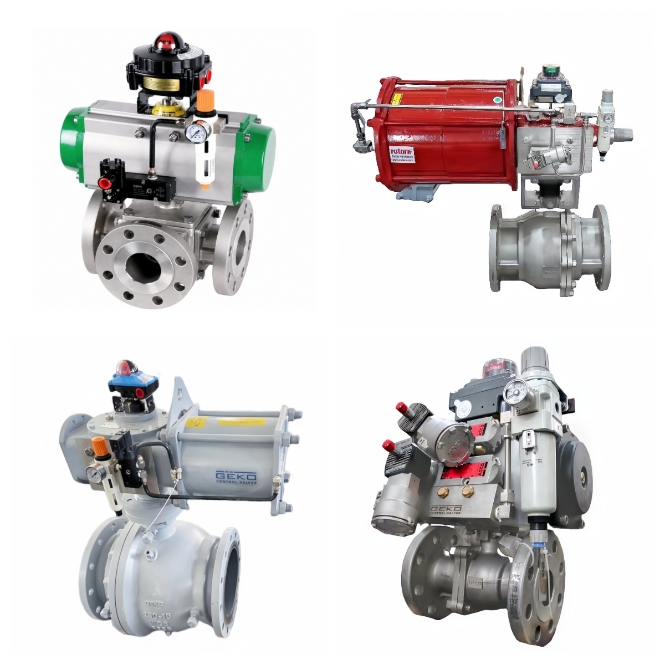
  • Guide d'achat essentiel pour l'approvisionnement en vannes à bille industrielles | GEKO Valve
    Guide d'achat essentiel pour l'approvisionnement en vannes à bille industrielles | GEKO Valve
    Aug 08, 2026
    Guide d'achat essentiel pour l'approvisionnement en vannes à bille industriellesL'approvisionnement en vannes à boisseau sphérique industrielles de haute qualité est une étape cruciale pour les projets industriels, la construction de réseaux de canalisations et la maintenance des équipements. Nombre d'acheteurs se concentrent uniquement sur le prix, les dimensions et les délais de livraison, négligeant les paramètres techniques essentiels, la compatibilité des matériaux, la conception structurelle et la vérification des qualifications du fournisseur. Un approvisionnement inadéquat entraîne des fuites fréquentes, des défaillances d'étanchéité, une durée de vie réduite, des arrêts système imprévus et une augmentation des coûts d'exploitation à long terme.  Ce guide d'achat essentiel couvre toutes les étapes clés pour se procurer des vannes à bille industrielles fiables, aidant ainsi les ingénieurs d'approvisionnement, les chefs de projet et les intégrateurs de systèmes à prendre des décisions d'achat rentables, sûres et conformes pour les systèmes de tuyauterie industrielle pétrochimique, de centrales électriques, de traitement de l'eau, de gaz naturel et de produits chimiques.  1. Confirmer les exigences exactes en matière de conditions de travail avant de faire une demande.Le manque de précision des spécifications techniques est la principale cause d'erreurs dans le choix des vannes. Avant de contacter les fournisseurs, les acheteurs doivent impérativement définir précisément les paramètres de fonctionnement sur site afin de garantir une compatibilité parfaite avec les modèles.Fluide : Préciser clairement s’il s’agit d’eau claire, de vapeur, de pétrole brut, de gaz naturel, de liquide chimique corrosif, de boue ou de fluide cryogénique. Les propriétés du fluide déterminent le matériau du corps de vanne, le type de joint et la configuration anticorrosion.- Plage de pression et de température : Vérifier la pression nominale, la surpression instantanée maximale, la température de service continue et les conditions de température extrêmes. La classe de pression (de 150 à 900) et la résistance à la température déterminent directement la sécurité structurelle de la vanne.Fonctionnement des vannes : Distinguer le service d’arrêt complet du service de régulation de débit proportionnelle. Les vannes à boisseau sphérique standard servent à l’isolation marche/arrêt, tandis que les vannes à boisseau sphérique à passage en V sont nécessaires pour une modulation précise du débit.- Spécifications du pipeline : Confirmer le diamètre du tuyau, la demande de passage complet ou réduit, et le type de raccordement d’extrémité, y compris à brides, fileté, à souder bout à bout et à souder par emboîtement.- Mode de fonctionnement : Sélectionnez l'actionnement manuel, pneumatique, électrique ou hydraulique en fonction des exigences du système de commande automatique et des conditions d'alimentation/gaz sur site. 2. Sélectionner le type de structure de vanne à bille appropriéLes différentes structures de vannes à bille correspondent à des scénarios d'application totalement différents. Choisir la structure appropriée permet d'éviter les surcoûts liés à un surdimensionnement ou les risques pour la sécurité liés à un sous-dimensionnement.Vanne à bille flottante : idéale pour les canalisations industrielles générales de petit diamètre et à basse ou moyenne pression. De conception simple et économique, elle convient au traitement de l’eau, aux systèmes de chimie légère et aux réseaux de gaz courants.Vanne à bille à tourillon : conçue pour les grands diamètres, les hautes pressions et les commutations fréquentes. Elle offre un couple faible et stable ainsi qu’une longue durée de vie, et convient aux applications de transport de pétrole et de gaz, aux centrales électriques et aux grands projets pétrochimiques.- Vanne à bille en trois parties : Maintenance en ligne facile sans démontage de la canalisation, idéale pour les équipements nécessitant une inspection et un nettoyage réguliers.- Vannes à bille spécialisées : vannes à passage en V pour la régulation du débit, vannes sanitaires pour les industries agroalimentaires et pharmaceutiques, vannes cryogéniques pour les fluides à très basse température et vannes multivoies pour les systèmes de dérivation et de mélange de fluides. 3. Vérifier la compatibilité des matériaux du corps et du jointL'inadéquation des matériaux est la principale cause de défaillance prématurée des vannes à bille en cours de fonctionnement. Les acheteurs doivent s'assurer de la conformité des matériaux aux caractéristiques du fluide utilisé.- Acier au carbone WCB : Convient pour la vapeur, l'huile en général et les fluides non corrosifs dans les canalisations auxiliaires des centrales électriques.- Acier inoxydable SS304/SS316 : Convient pour l'eau, les acides faibles, les milieux alcalins et les milieux chimiques corrosifs en général.- Acier duplex : utilisé pour l'eau de mer, la saumure et les environnements de travail fortement corrosifs.- Siège souple (PTFE/RPTFE/PEEK) : assure une étanchéité parfaite pour le fluide propre à température normale et moyenne.- Siège dur métal sur métal : Adapté aux conditions de haute température, de haute pression, de boues abrasives et de fluides à grande vitesse. 4. Vérifier les certifications de sécurité et industrielles standardLes vannes à boisseau sphérique industrielles qualifiées doivent être conformes aux normes internationales afin de garantir la sécurité des projets et de réussir les inspections techniques. L'approvisionnement professionnel doit vérifier les certifications essentielles.- Norme API 6D pour l'industrie du pétrole et du gaz naturel- Certification du système de management de la qualité ISO 9001- Certification CE de sécurité pour le marché européen- Certification de résistance au feu et antistatique pour les canalisations de fluides inflammables- Rapport d'essai des matériaux (MTR) et rapport d'inspection en usine5. Équilibrer le coût d'achat et la valeur du cycle de vie à long terme Lors de leurs achats, de nombreux acquéreurs privilégient les prix d'achat initiaux les plus bas. Les vannes à boisseau sphérique bon marché sont généralement fabriquées avec des matières premières de qualité inférieure, présentent une fonderie grossière et des systèmes d'étanchéité simplifiés. Malgré un coût initial réduit, elles sont sujettes aux fuites, aux blocages et nécessitent des remplacements fréquents, ce qui engendre des coûts d'exploitation et de maintenance plus élevés.L'approvisionnement professionnel exige une évaluation complète de la durée de vie des vannes, du cycle de maintenance, de l'universalité des pièces de rechange et de la rapidité de réponse du service après-vente, en privilégiant la valeur opérationnelle stable à long terme plutôt qu'un prix bas temporaire. 6. Évaluer la solidité et les capacités de service du fournisseurL'excellence des produits repose sur la fiabilité des fabricants. Lors de l'approvisionnement en vannes à boisseau sphérique industrielles, les acheteurs doivent privilégier la solidité du fabricant plutôt que les intermédiaires.- Usine de fabrication de vannes professionnelle dotée d'équipements de production et de test complets- Solide expérience de projets dans les secteurs de l'énergie, de la pétrochimie et du traitement de l'eau- Prise en charge des paramètres personnalisés, des configurations de matériaux spéciales et du service OEM- Cycle de livraison stable et assistance technique après-vente irréprochable 7. Confirmer les conditions d'installation, de maintenance et de service après-venteAvant de finaliser les commandes, veuillez confirmer les conditions après-vente détaillées, notamment la durée de la garantie, l'assistance à l'installation sur site, l'efficacité du dépannage et la disponibilité des pièces détachées. Les vannes à boisseau sphérique industrielles étant des équipements essentiels pour les canalisations, un service après-vente irréprochable permet d'éviter les retards de projet dus à des défauts de fabrication.Erreurs courantes d'approvisionnement à éviter- Sélection de vannes à usage général pour des conditions de travail spéciales à haute pression, haute température ou corrosives- Ignorer les rapports d'essais des matériaux et les certifications industrielles pour réduire les coûts- Correspondance uniquement avec le diamètre des tuyaux, sans tenir compte de la pression et des exigences de débit- Achat de vannes non standard qui ne peuvent pas être utilisées avec les systèmes de canalisations et les actionneurs courants. ConclusionL'approvisionnement en vannes à boisseau sphérique industrielles est un processus technique rigoureux qui exige une analyse approfondie des conditions de fonctionnement, du type de structure, des matériaux utilisés, des certifications de sécurité, de la solidité du fournisseur et du coût du cycle de vie, et non une simple comparaison des prix. Des processus d'approvisionnement standardisés permettent d'éviter efficacement les défaillances de produits, les reprises de projets et les pertes économiques.GEKO Valve est un fabricant professionnel de vannes à boisseau sphérique industrielles, proposant des vannes à boisseau sphérique flottantes, à tourillon, en trois parties et des vannes sur mesure. Nous offrons une solution complète incluant la sélection technique, la production personnalisée, une livraison fiable et un service après-vente performant pour les projets de tuyauterie industrielle à l'échelle mondiale, nous positionnant ainsi comme un partenaire d'approvisionnement fiable et durable pour les acheteurs industriels.
    EN SAVOIR PLUS
  • Classification des vannes à bille
    Classification des vannes à bille
    Jun 04, 2022
    L'élément d'ouverture et de fermeture d'une vanne à bille est une sphère dotée d'un canal circulaire. Cette sphère tourne autour d'un axe perpendiculaire au canal et, grâce à la rotation de la tige de la vanne, permet l'ouverture et la fermeture du canal. Une simple rotation de 90 degrés, associée à un faible couple, assure une fermeture étanche de la vanne. Différents systèmes d'entraînement peuvent être intégrés pour former des vannes à bille à modes de commande variés, adaptées aux conditions d'utilisation : vannes à bille électriques, pneumatiques, hydrauliques, etc. Selon sa structure, elle peut être divisée en :  1. Vanne à bille flottante  La bille du robinet à bille est flottante. Sous l'effet de la pression du fluide, elle se déplace et appuie fermement sur la surface d'étanchéité de l'extrémité de sortie, assurant ainsi l'étanchéité de cette dernière. La vanne à bille flottante présente une structure simple et une bonne étanchéité. Cependant, la charge du fluide transporté par la bille est entièrement supportée par la bague d'étanchéité de sortie ; il est donc essentiel de vérifier que le matériau de cette bague puisse résister à cette charge. Ce type de vanne est couramment utilisé pour les vannes à bille moyennes et basses pressions.  2. Vanne à bille fixe  Dans une vanne à bille fixe, la bille est fixe et ne bouge pas après pression. Le siège de la vanne est flottant. Sous la pression du fluide, le siège se déplace, pressant ainsi la bague d'étanchéité contre la bille et assurant l'étanchéité. Des paliers sont généralement installés sur les axes supérieur et inférieur de la bille, ce qui permet un faible couple de manœuvre et convient aux vannes haute pression et de grand diamètre. Afin de réduire le couple de manœuvre des vannes à bille et d'améliorer l'étanchéité, des vannes à bille lubrifiées à l'huile ont fait leur apparition ces dernières années. Une huile lubrifiante spéciale est injectée entre les surfaces d'étanchéité pour former un film d'huile, ce qui améliore l'étanchéité et réduit le couple de manœuvre, les rendant ainsi plus adaptées aux vannes à bille de grand diamètre et à haute pression.  3. Vanne à bille élastique  La bille du robinet à bille est élastique. La bille et la bague d'étanchéité du siège de vanne sont toutes deux en métal, et la pression spécifique d'étanchéité est très élevée. Si la pression du fluide ne suffit pas à assurer l'étanchéité, une force extérieure doit être appliquée. Ce robinet est adapté aux fluides à haute température et haute pression. La sphère élastique est obtenue en pratiquant une rainure élastique à l'extrémité inférieure de sa paroi interne, lui conférant ainsi son élasticité. Lorsque la rainure est fermée, la tête en forme de coin de la tige de soupape sert à dilater la bille et à comprimer le siège de soupape pour assurer l'étanchéité. Avant de dévisser la bille, il convient de desserrer la tête en forme de coin ; la bille reprendra alors sa forme initiale, créant un léger jeu entre la bille et le siège de soupape. Ce jeu réduit le frottement et le couple de manœuvre au niveau de la surface d'étanchéité. Les méthodes de classification des vannes à bille les plus couramment utilisées sont les suivantes : Selon la pression : vanne à bille haute pression, vanne à bille moyenne pression, vanne à bille basse pression Par type de canal d'écoulement : vanne à boisseau sphérique à passage intégral, vanne à boisseau sphérique à passage réduit Selon la position du canal : direct, à trois voies, à angle droit Selon la température : vanne à bille haute température, vanne à bille température normale, vanne à bille basse température, vanne à bille ultra-basse température Selon le type d'étanchéité : vanne à bille à joint souple, vanne à bille à joint rigide Assemblage par tige : vanne à bille à entrée supérieure, vanne à bille à entrée latérale Selon le type de raccordement : vanne à boisseau sphérique à brides, vanne à boisseau sphérique soudée, vanne à boisseau sphérique filetée, vanne à boisseau sphérique à collier. Selon le mode de commande : vanne à bille manuelle, vanne à bille à commande automatique (vanne à bille pneumatique, vanne à bille électrique, vanne à bille hydraulique) Par calibre : vanne à bille de très grand diamètre, vanne à bille de grand diamètre, vanne à bille de diamètre moyen, vanne à bille de petit diamètre.
    EN SAVOIR PLUS

laisser un message

laisser un message
Si vous êtes intéressé par nos produits et souhaitez en savoir plus, veuillez laisser un message ici, nous vous répondrons dès que possible.
SOUMETTRE

Maison

PRODUITS

contact