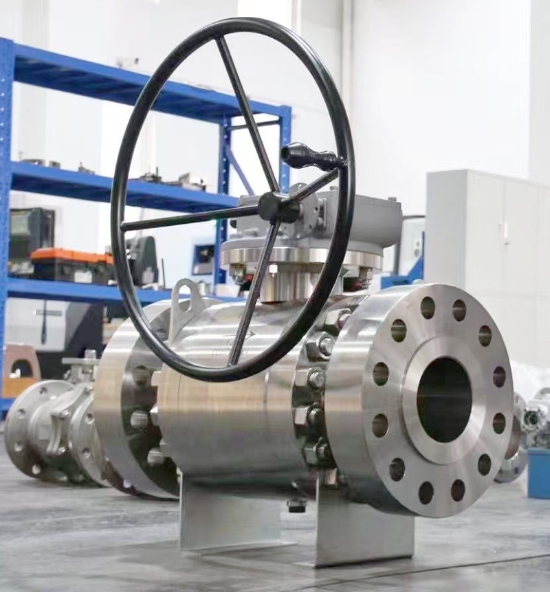
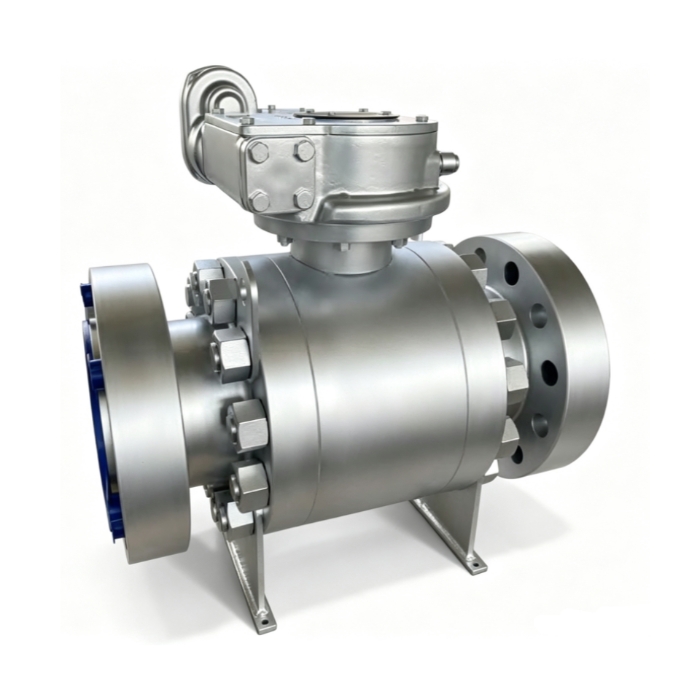
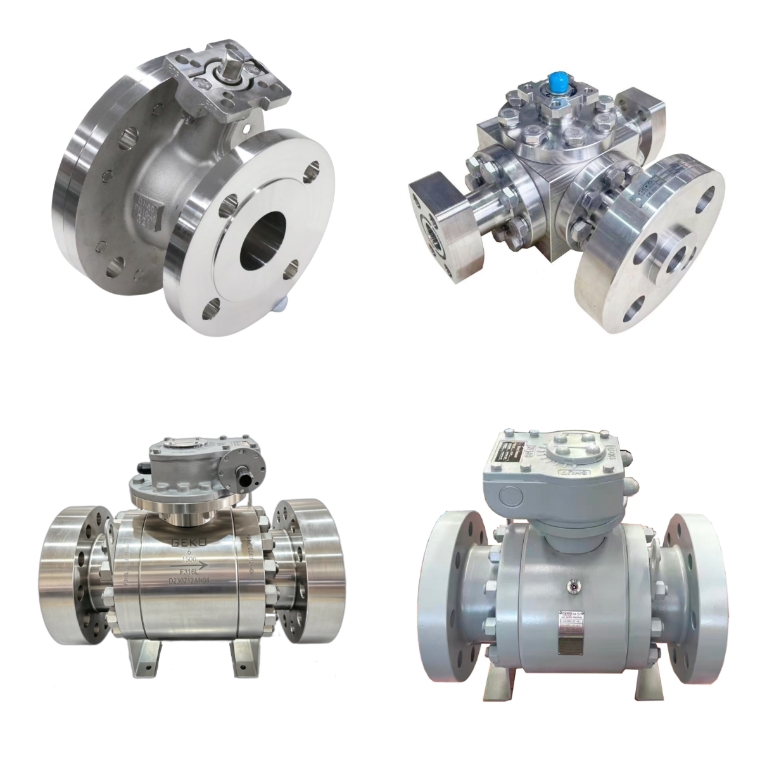
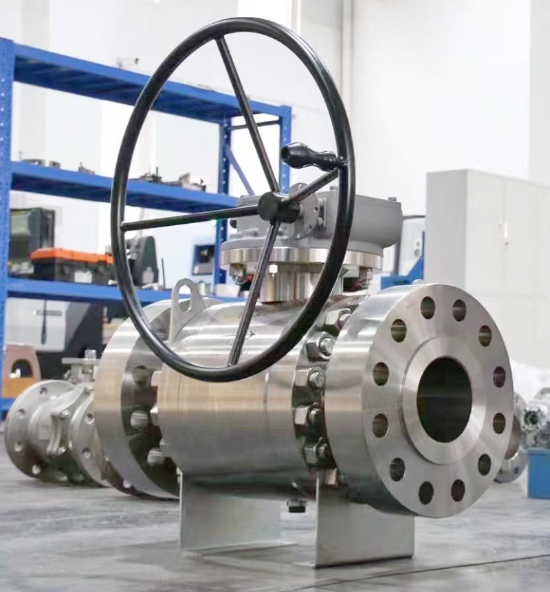
Vanne à bille résistante à la corrosion

Maison

Vanne à bille résistante à la corrosion

  • Ball Valve Materials Guide for Corrosion Resistance and Durability | GEKO Valve
    Ball Valve Materials Guide for Corrosion Resistance and Durability | GEKO Valve
    Oct 20, 2026
    Ball Valve Materials Guide for Corrosion Resistance and Durability Corrosion and premature wear are two leading causes of ball valve failure in chemical processing, offshore, water treatment, and oil & gas piping systems. Selecting the correct ball valve materials directly determines long-term durability, sealing integrity, safety, and total cost of ownership. A ball valve built with incompatible alloys or seat materials can suffer pitting, crevice corrosion, chemical attack, or seal degradation, leading to fugitive emissions, unplanned shutdowns, and expensive replacement. This GEKO Valve guide breaks down body, ball, liner, and seat materials by corrosion performance, service limits, and suitable industrial applications, helping engineers specify valves that last in aggressive process media. Why Corrosion Resistance and Material Durability Matter for Ball Valves Unlike generic piping components, ball valves contain wetted parts that stay in continuous contact with process fluids — acids, alkalis, brine, chlorides, solvents, and sour media. Even minor corrosion can lock the rotating ball, damage sealing surfaces, and break pressure containment. Durability does not only mean mechanical strength; it combines corrosion resistance, temperature stability, abrasion resistance, and resistance to cyclic operation. The optimal material balances chemical compatibility, pressure rating, temperature range, and project budget rather than defaulting to the most expensive superalloy.   Common Ball Valve Body Materials for Corrosive Service WCB Carbon Steel WCB is the standard cast carbon steel for general-purpose ball valves. It delivers high mechanical strength and pressure resistance but offers limited corrosion resistance. Carbon steel is suitable for clean oil, steam, natural gas, and non-corrosive water. In corrosive environments, WCB ball valves rely on internal PTFE or PFA lining to isolate the metal body from aggressive media. Without lining, carbon steel will rust rapidly in damp, acidic, or chloride-rich conditions. 304 / 316L Stainless Steel (CF8 / CF3M) 304 stainless steel works well for low-chloride fresh water, food-grade fluids, and mild alkaline solutions. 316L stainless steel adds molybdenum, greatly improving resistance to chloride ions, dilute acids, wastewater, and common organic solvents. The low-carbon 316L grade avoids intergranular corrosion after welding, making it the most widely specified stainless steel ball valve for moderate corrosion duties. It remains the baseline anti-corrosion choice for water treatment, pharmaceutical, and general chemical lines. 2205 and 2507 Duplex Stainless Steel Duplex stainless steel combines austenite and ferrite microstructures for superior chloride corrosion resistance and higher strength than 316L. 2205 duplex handles brine, brackish water, and moderate seawater service. 2507 super duplex offers outstanding pitting and stress corrosion cracking resistance for seawater desalination, coastal chemical plants, and produced water pipelines where standard 316L will fail over time.   High-Performance Alloys: Hastelloy C276, Monel 400, Inconel 625 Hastelloy C276 resists strong oxidizing acids, chlorine, hypochlorite, and mixed corrosive chemicals, widely used in chlor-alkali and fine chemical processes. Monel 400 provides excellent resistance to hydrofluoric acid and seawater. Inconel 625 is selected for high-temperature corrosive media and thermal fatigue conditions. These nickel-based superalloys deliver extreme corrosion protection but carry a much higher material cost and longer lead times. PTFE / PFA Lined Ball Valves Lined ball valves use a carbon steel or stainless steel shell with a continuous fluoropolymer liner covering all wetted surfaces. PTFE and PFA are nearly chemically inert against most concentrated acids, bases, and aggressive solvents. PFA offers better permeation resistance and higher-temperature stability than PTFE. Lined ball valves are a cost-effective alternative to exotic alloys for strong corrosive media at moderate pressure ranges. Ball and Seat Materials: The Critical Sealing Interface Body alloy protects the valve shell, but the ball and seat form the sealing interface that controls leakage and cycle life. Seat material failure is one of the most frequent durability issues in corrosive ball valves. Virgin PTFE: Universal chemical resistance, compatible with almost all corrosive media. Drawback: cold flow under sustained pressure, which can degrade sealing after long static hold periods. RPTFE (Reinforced PTFE): Filled with glass, carbon, or graphite to reduce creep and boost wear resistance while retaining broad chemical compatibility. It is the most popular upgrade over pure PTFE. PEEK: Excellent combination of corrosion resistance, high temperature capability, and mechanical durability for high-cycle and high-pressure chemical service. Viton / EPDM: Elastomer seats for specific media; Viton suits oils and hydrocarbons, EPDM works for hot water and weak acids. Both are limited against strong solvents and concentrated acids. Metal Seat with Stellite Coating: Hardened metal sealing surfaces for high temperature, abrasive slurry, and fire-safe service. Metal-sealed ball valves rely on alloy selection for corrosion resistance and do not provide bubble-tight shutoff like polymer seats. Key Selection Checklist for Corrosion Resistance & Durability Before finalizing ball valve materials, verify these application parameters: Full chemical composition of the process fluid, including trace chlorides, solids, and oxidizers Operating temperature and pressure, plus upset and thermal cycling conditions Flow velocity and abrasive particles that cause erosion wear Shutoff requirement: bubble-tight soft seat or fire-safe metal seat External environment: coastal salt spray, humid air, or underground burial Maintenance access and expected service life target Common Application Matching Summary Fresh water and mild chemical media → 316L ball valve with RPTFE seat. Seawater and brine → 2205 / 2507 duplex stainless steel. Concentrated acids and aggressive solvents → PFA-lined ball valve. Chlorine and mixed oxidizing chemicals → Hastelloy C276. High-temperature abrasive process → Stellite hard-faced metal seat paired with compatible body alloy. Final Thoughts Durable, corrosion-free ball valve performance comes from matching every wetted component to the process conditions, not just picking a single alloy. GEKO Valve supplies ball valves in carbon steel, stainless steel, duplex, nickel alloy, and PFA/PTFE lined configurations with a full range of seat and ball trim options. Proper material specification reduces corrosion-related failures and extends valve service life in demanding industrial piping systems.
    EN SAVOIR PLUS
  • Ball Valve Materials: Pros and Cons for Industrial Applications | GEKO Valve
    Ball Valve Materials: Pros and Cons for Industrial Applications | GEKO Valve
    Oct 14, 2026
    Ball Valve Materials: Pros and Cons for Industrial Applications Selecting ball valve materials requires careful trade-offs between corrosion resistance, temperature tolerance, mechanical strength, cost and manufacturability. No single material works for every industrial process. Understanding the pros and cons of common ball valve body, ball and seat materials helps process engineers avoid premature failure, unexpected leakage and overspending on overly expensive alloys. This guide compares widely used materials for GEKO industrial ball valves to support faster, smarter valve specification. WCB Cast Carbon Steel & A105 Forged Carbon Steel Pros: High tensile strength, good performance under high pressure and elevated temperatures, affordable price, easy welding and machining. A105 forged carbon steel has denser grain structure, better impact resistance than cast WCB, ideal for critical high-pressure lines, steam and hydrocarbon service. Cons: Poor corrosion resistance. Carbon steel rusts rapidly when exposed to moisture, acids, chlorides and most corrosive chemicals. Not suitable for potable water, brine or continuous wet corrosive service. Impact performance drops sharply at cryogenic temperatures. SS304 / CF8 Stainless Steel Pros: Good general corrosion resistance for clean water and weak alkaline media, oxidation-resistant at moderate heat, easy to sanitize, cost-effective stainless option. It is widely accepted for sanitary, food and beverage, municipal water and general outdoor piping systems. Cons: Susceptible to pitting corrosion in chloride-containing environments such as seawater and brine. Poor resistance to strong acids. Not recommended for high-salinity or harsh chemical processes. SS316 / 316L (CF8M / CF3M) Stainless Steel Pros: Molybdenum addition improves chloride and mild acid resistance significantly. 316L low-carbon grade resists intergranular corrosion after welding. Versatile for chemical processing, food production, desalination pre-treatment and marine non-seawater circuits. It is the most popular stainless steel for corrosive industrial service. Cons: Still vulnerable to concentrated chloride, hot brine and strong reducing acids. Higher cost than SS304, and it cannot compete with duplex or nickel alloys for severe corrosion environments. 2205 Duplex Stainless Steel Pros: Combines austenitic and ferritic microstructure for high mechanical strength and excellent chloride pitting resistance. Outperforms 316 in brackish water, brine and low-to-moderate acid conditions. More economical than Hastelloy and other nickel alloys for seawater-related applications. Cons: Limited high-temperature operating range; it loses corrosion resistance at excessive heat. Less ductile than austenitic stainless steel and harder to machine. Not suitable for strong reducing acids. PFA / PTFE Lined Materials Pros: Almost universal chemical inertness against strong acids, alkalis and aggressive solvents. The metal shell provides structural strength while fluoropolymer lining isolates corrosive media. Perfect for harsh chemical processing where standard metals degrade quickly. Cons: Lining can be scratched by abrasive slurries. Not compatible with high-temperature steam. Temperature and pressure ratings are lower than solid metal valves, and lined valves are heavier and more expensive than carbon steel alternatives. Hastelloy C276, Alloy 20 and Monel Nickel Alloys Pros: Outstanding resistance to oxidizing acids, sour gas (H₂S), chlorine and many aggressive chemicals. Excellent resistance to stress corrosion cracking and localized pitting. These specialty alloys serve critical, high-risk processes where 316 and duplex steel fail. Cons: Very high raw material and machining costs. Long lead times are common. Nickel alloys are only justified for extreme corrosive conditions, making them impractical for standard water, oil or steam lines. Common Seat & Seal Materials: PTFE, FKM, Metal, PEEK PTFE: Pros — chemically inert, bubble-tight shutoff; Cons — prone to cold flow, limited high-temperature range. FKM (Viton): Pros — resistant to oils, fuels and hydrocarbons; Cons — incompatible with ketones and some strong acids. Metal seat: Pros — suitable for high temperature, abrasive media and frequent cycling; Cons — not bubble tight, higher torque requirement. PEEK: Pros — excellent wear and high-temperature resistance; Cons — premium pricing, limited availability. Quick Comparison Guidance Carbon steel works best for non-corrosive high-temperature steam and oil. SS304 fits clean, low-chloride water and sanitary light-duty service. SS316 balances performance and budget for general corrosive applications. 2205 duplex is the go-to for brine and high-chloride water. Lined valves handle aggressive chemicals, while nickel alloys are reserved for extreme corrosive process conditions. Closing Notes from GEKO Valve Material selection should never rely on cost alone. A cheaper valve that fails early will generate far higher downtime and maintenance costs. Share your medium, temperature, pressure and chemical concentration with GEKO’s engineering team to select a ball valve material that matches your industrial application perfectly.
    EN SAVOIR PLUS
  • Which Ball Valve Material Is Best for Your Application? | GEKO Valve
    Which Ball Valve Material Is Best for Your Application? | GEKO Valve
    Oct 14, 2026
    Which Ball Valve Material Is Best for Your Application? Choosing the correct ball valve material is one of the most critical decisions for process reliability. Even a well-designed ball valve will fail prematurely if its body, ball and seat materials are incompatible with your fluid, temperature, pressure and chemical environment. With options ranging from WCB carbon steel and stainless steel to duplex steel, PFA lining and specialty alloys, engineers and procurement teams need a clear framework to match materials to their exact working conditions. This guide breaks down common ball valve materials, their strengths, limitations and ideal use cases to help you select the right GEKO ball valve for your system. Core Factors That Decide Ball Valve Material Before comparing materials, confirm four key process parameters. The fluid medium and chemical concentration determine corrosion risk. Operating temperature impacts material toughness, creep resistance and seal performance. Working pressure defines wall thickness and mechanical strength requirements. Additional factors include chloride content, abrasive particles, cyclic switching frequency and hygienic requirements for food or pharmaceutical service.     WCB Carbon Steel / A105 Forged Steel Ball Valves WCB cast carbon steel and A105 forged carbon steel are cost-effective, high-strength options for non-corrosive media. They perform reliably at elevated temperatures and suit steam, compressed air, fuel oil and natural gas pipelines in power plants, thermal systems and general oil & gas service. Carbon steel works well from -29°C up to around 425°C, but it rusts quickly when exposed to water, acids or chloride-rich fluids. It is not recommended for wet corrosive service, drinking water or chemical processing lines. SS304 (CF8) Stainless Steel Ball Valves SS304 stainless steel is the standard corrosion-resistant ball valve material for water treatment, clean water, weak alkaline fluids and general outdoor piping. It offers good oxidation resistance and excellent low-temperature toughness, making it popular for general industrial and sanitary applications. SS304 works for low-chloride water but struggles with saltwater, brine and concentrated chloride media, where pitting corrosion will develop over time. SS316 / 316L (CF8M / CF3M) Stainless Steel Ball Valves SS316 stainless steel includes molybdenum, which greatly improves resistance to chlorides, mild acids and many chemical solvents. It is the most widely specified stainless grade for chemical plants, desalination pre-treatment, food & beverage processing and marine non-seawater circuits. 316L low-carbon variants reduce intergranular corrosion after welding, preferred for long-term continuous chemical service. For most general corrosive industrial applications, SS316 is the default upgrade from SS304. 2205 Duplex Stainless Steel Ball Valves 2205 duplex stainless steel combines high mechanical strength and superior chloride pitting resistance. It outperforms 316 in brackish water, seawater, brine and moderate acid environments. Duplex ball valves are widely used in desalination, offshore auxiliary lines and mine water systems. It balances strength and corrosion resistance without moving to expensive nickel alloys, though it has narrower high-temperature limits than many stainless grades. PFA / PTFE Lined Ball Valves PFA and PTFE lined ball valves use a carbon steel or stainless steel pressure shell with a fluoropolymer lining that contacts the fluid. The lining is chemically inert against most strong acids, alkalis and aggressive solvents. These lined ball valves are the primary choice for harsh chemical processes where metallic alloys cannot survive. They are not suitable for high-temperature steam or abrasive slurries that can scratch the lining surface. Specialty Alloy Ball Valves: Hastelloy, Alloy 20, Monel For extreme corrosive conditions such as concentrated acids, sour gas, hydrogen sulphide and oxidising chemicals, GEKO supplies ball valves built from Hastelloy C276, Alloy 20 and Monel. These exotic alloys resist localized corrosion and stress cracking in environments that attack 316 and duplex steel. They carry higher material costs and are reserved for critical chemical, hydrogen and high-risk process applications. Seat & Seal Material Matching (Not Only Body Material) Body material alone cannot guarantee reliable shutoff. Seat materials must also match the process. PTFE seats deliver bubble-tight isolation for most clean fluids up to moderate temperatures. FKM (Viton) works for oils and hydrocarbons. Metal seats are selected for high temperature, abrasive media and frequent cycling. PEEK seats offer outstanding wear resistance for demanding cyclic service. A mismatch between seat material and medium is a common cause of leakage even when the valve body is correctly specified. Quick Application Reference Steam, oil, compressed air: WCB / A105 carbon steel Clean water, food-grade mild fluid: SS304 General chemical, low-chloride corrosive service: SS316 / 316L Seawater, brine, high-chloride water: 2205 duplex stainless steel Strong acids and aggressive chemicals: PFA lined ball valve Sour gas, concentrated corrosive media: Hastelloy or nickel alloy Final Recommendations from GEKO Valve The best ball valve material is always the one that balances corrosion resistance, temperature-pressure rating, service life and budget. Over-specifying exotic alloys increases unnecessary expense, while under-specifying leads to unplanned shutdowns and safety risks. If you are unsure about material compatibility for your process fluid, share your medium, temperature, pressure and concentration data with GEKO’s engineering team for a verified material recommendation.
    EN SAVOIR PLUS
  • Vannes à bille : tout savoir, types, applications et critères de sélection | GEKO Valve
    Vannes à bille : tout savoir, types, applications et critères de sélection | GEKO Valve
    Sep 13, 2026
     Vannes à bille : notions de base, types, applications et critères de sélectionLes vannes à boisseau sphérique sont des composants essentiels de régulation de débit à quart de tour, largement utilisés dans les réseaux de tuyauterie industriels du monde entier. Reconnues pour leur structure compacte, leur ouverture/fermeture rapide à 90 degrés, leur étanchéité fiable et leur durabilité exceptionnelle, les vannes à boisseau sphérique industrielles surpassent les vannes à guillotine et les vannes à globe traditionnelles dans la plupart des applications d'isolation et de régulation des fluides. Pour les concepteurs de systèmes, les ingénieurs et les équipes d'approvisionnement, la compréhension des classifications des vannes à boisseau sphérique, de leurs applications spécifiques à l'industrie et des critères de sélection standardisés est essentielle pour éviter les défaillances de canalisations, réduire les coûts de maintenance et optimiser l'efficacité opérationnelle du système. Ce guide « Vannes à boisseau sphérique : les bases » fournit des connaissances professionnelles systématiques et faciles à comprendre pour une sélection précise des vannes à boisseau sphérique.1. Principaux types de vannes à bille industriellesLes vannes à boisseau sphérique industrielles sont classées selon leur conception structurelle, leurs spécifications de passage, leur configuration d'étanchéité et leur mode d'actionnement. Chaque type présente des caractéristiques de performance uniques et des conditions de fonctionnement spécifiques. 1.1 Vanne à bille flottante et vanne à bille montée sur tourillonvannes à bille flottantes Dotées d'une structure à bille flottante sans support d'arbre fixe, ces vannes assurent une étanchéité parfaite grâce à une pression moyenne. La bille exerce une pression ferme contre le siège aval. Simples, légères et économiques, les vannes à bille flottante sont idéales pour les canalisations conventionnelles de petit diamètre et basse à moyenne pression, et sont largement utilisées dans le traitement de l'eau, le CVC et les systèmes de fluides industriels.vannes à bille montées sur tourillon Adoptant une conception à double support fixe à tourillon supérieur et inférieur, qui verrouille la bille dans une position stable, ces vannes réduisent efficacement la pression sur le siège d'étanchéité et le couple de manœuvre, minimisant ainsi l'usure et prolongeant la durée de vie. Adaptées aux applications exigeantes de grande taille, haute pression et à cycles de fonctionnement intensifs, les vannes à bille à tourillon constituent la solution robuste de référence pour le transport du pétrole et du gaz, le raffinage pétrochimique et les réseaux de pipelines industriels longue distance. 1.2 Vanne à bille à passage intégral et vanne à bille à passage réduitvannes à bille à passage intégral Conçus avec un alésage rectiligne épousant le diamètre intérieur du tuyau, ces racleurs permettent une résistance à l'écoulement quasi nulle et une perte de charge ultra-faible. Cette conception facilite le raclage et le nettoyage complets des canalisations, ce qui la rend idéale pour les pipelines de transport à haut débit et les conduites principales de process exigeant un passage de fluide sans obstruction et une maintenance quotidienne aisée.vannes à bille à passage réduit Adoptant une structure profilée à diamètre réduit, ce dispositif se caractérise par un poids et un volume moindres, ainsi que par des coûts de fabrication inférieurs. Bien que le passage d'écoulement soit légèrement rétréci, il répond pleinement aux exigences classiques d'isolation et de régulation de débit. Il constitue la solution la plus économique pour les canalisations industrielles ordinaires ne présentant pas d'exigences strictes en matière de faible perte de charge ou de raclage. 1.3 Vanne à bille à siège souple et à siège métalliqueVannes à bille à siège souple Utilisant des matériaux d'étanchéité composites en PTFE et polymère haute performance, ces joints garantissent une étanchéité parfaite à température ambiante et en milieu propre. Grâce à leur faible coefficient de frottement et à leur grande flexibilité de commutation, ils sont largement utilisés dans l'eau claire, l'air comprimé, le gaz naturel et les fluides chimiques conventionnels non abrasifs.vannes à bille à siège métallique Adoptant une structure d'étanchéité rigide métal-métal professionnelle avec traitement de surface par revêtement dur en alliage, ces joints offrent une excellente résistance aux hautes températures, aux hautes pressions et à l'abrasion. Ils fonctionnent de manière stable dans des environnements difficiles tels que les boues abrasives, les milieux corrosifs et les cycles thermiques répétés, résolvant ainsi les problèmes de vieillissement et de défaillance des matériaux d'étanchéité souples.1.4 Vannes à bille manuelles et motoriséesLes vannes à boisseau sphérique manuelles, à commande par poignée ou par engrenage, conviennent aux applications de commande manuelle à basse fréquence, grâce à leur structure simple et leurs faibles coûts d'entretien. Pour les systèmes industriels automatisés modernes,vannes à bille à commande pneumatique et vannes à bille à commande électrique Ces configurations sont essentielles. Les vannes à boisseau sphérique pneumatiques offrent une vitesse de commutation rapide et une protection antidéflagrante fiable pour les environnements de travail inflammables et dangereux. Les vannes à boisseau sphérique électriques permettent une modulation précise du débit et une liaison de signal à distance, s'intégrant parfaitement aux systèmes de contrôle intelligents PLC et SCADA. 2. Applications industrielles courantes des vannes à billeLes différents types de vannes à boisseau sphérique correspondent à des scénarios industriels ciblés. Un choix judicieux du type de vanne en fonction des caractéristiques du procédé garantit un fonctionnement stable et fiable de la canalisation sur le long terme.Systèmes de traitement de l'eau et de CVCLes vannes à bille flottantes à siège souple et les vannes à bille à passage réduit sont largement utilisées pour les canalisations d'alimentation en eau, d'évacuation des eaux et de circulation de la climatisation centrale, assurant un bon équilibre entre coût et stabilité d'étanchéité.Industrie pétrolière et gazière: Des vannes à bille à tourillon robustes et des vannes à bille à passage intégral sont utilisées pour les pipelines de transport longue distance afin de garantir une faible perte de pression et de faciliter la maintenance professionnelle par raclage des pipelines.Usines chimiques et pétrochimiquesLes vannes à bille à siège métallique haute performance et les vannes à bille anticorrosion sont conçues pour les fluides de process à haute température, corrosifs et abrasifs afin de s'adapter aux conditions de service les plus sévères.Production d'électricité et énergie thermiqueLes vannes à bille à siège métallique résistantes aux hautes températures sont utilisées dans les canalisations de vapeur, les systèmes de cyclage thermique et les équipements de traitement à haute pression pour résister aux variations de température extrêmes et à l'abrasion du fluide.Fabrication intelligenteLes vannes à bille automatisées, actionnées par des vérins pneumatiques et électriques, permettent une commutation sans intervention humaine, une surveillance à distance et une régulation précise du débit pour les pipelines de production intelligents.3. Critères de sélection des vannes à bille standardLe choix scientifique d'une vanne à boisseau sphérique doit respecter des critères normalisés, en évitant une simple comparaison des dimensions. Les règles de sélection fondamentales concernent la structure, l'étanchéité, le type de passage, l'actionnement et l'adaptation aux conditions de fonctionnement.Critères de sélection structuraleChoisissez des vannes à bille flottantes pour les canalisations conventionnelles de petit diamètre, basse et moyenne pression ; sélectionnez des vannes à bille montées sur tourillon pour les canalisations à usage intensif de grand diamètre, haute pression et à cycles haute fréquence.Critères de sélection des joints d'étanchéitéAdoptez des vannes à bille à siège souple pour les fluides à température normale, propres et non abrasifs ne nécessitant aucune fuite ; utilisez des vannes à bille à siège métallique pour les conditions de travail difficiles à haute température, haute pression, abrasives et corrosives.Critères de sélection du type d'alésagePrivilégier les vannes à boisseau sphérique à passage intégral pour les pipelines et systèmes à débit élevé et faible perte de charge nécessitant un nettoyage par racleur ; choisir des vannes à boisseau sphérique à passage réduit pour les scénarios d’isolation généraux afin de réduire les coûts du projet.Critères de sélection de l'actionnementConfigurer le fonctionnement manuel pour la commutation à basse fréquence ; sélectionner des actionneurs pneumatiques pour les zones dangereuses antidéflagrantes ; adopter des actionneurs électriques pour la commande intelligente à distance et la régulation précise du débit.Critères de correspondance des conditions de travail: Vérifier la classe de pression de la vanne, son degré de résistance à la température et la compatibilité des matériaux en fonction des caractéristiques réelles du fluide, de la température de fonctionnement et de la pression de service maximale afin d'éviter les défaillances d'étanchéité et les dommages à la vanne.4. Principaux avantages des vannes à bille industrielles de haute qualitéLes vannes à boisseau sphérique industrielles de haute qualité offrent des avantages irremplaçables pour les systèmes modernes de contrôle des fluides : ouverture et fermeture rapides par quart de tour, installation compacte, étanchéité parfaite, grande adaptabilité aux fluides et faibles coûts de maintenance à long terme. Qu’il s’agisse de réseaux de canalisations civiles ou de systèmes de process industriels exigeants, des vannes à boisseau sphérique correctement sélectionnées permettent d’améliorer l’efficacité opérationnelle des canalisations et de réduire les taux de défaillance des systèmes.5. GEKO Valve : Solutions fiables pour vannes à billeGEKO Valve propose une gamme complète de vannes à boisseau sphérique industrielles, standardisées et sur mesure, incluant des vannes à boisseau sphérique flottantes, à tourillon, à passage intégral et réduit, à siège souple et à siège métallique, ainsi que des ensembles complets de vannes à boisseau sphérique à actionnement pneumatique/électrique. Tous nos produits sont conformes aux normes industrielles internationales et bénéficient d'un contrôle qualité rigoureux et d'une performance stable. Nous offrons un accompagnement personnalisé pour le choix de la vanne à boisseau sphérique la plus adaptée à chaque condition industrielle, garantissant ainsi des solutions de contrôle des fluides fiables et nécessitant peu de maintenance pour les projets industriels internationaux.9 mots clés SEO essentielsVanne à bille industrielle, vanne à bille haute pression, vanne à bille basse pression, vanne à bille conforme à la norme API, vanne à bille de process, vanne à bille quart de tour, vanne à bille d'isolement, vanne à bille résistante à la corrosion, vanne à bille automatisée
    EN SAVOIR PLUS

laisser un message

laisser un message
Si vous êtes intéressé par nos produits et souhaitez en savoir plus, veuillez laisser un message ici, nous vous répondrons dès que possible.
SOUMETTRE

Maison

PRODUITS

contact