bloguer

Maison

bloguer

  • Floating vs Trunnion Mounted Ball Valves: How to Choose - GEKO Valve
    Floating vs Trunnion Mounted Ball Valves: How to Choose - GEKO Valve
    Aug 05, 2026
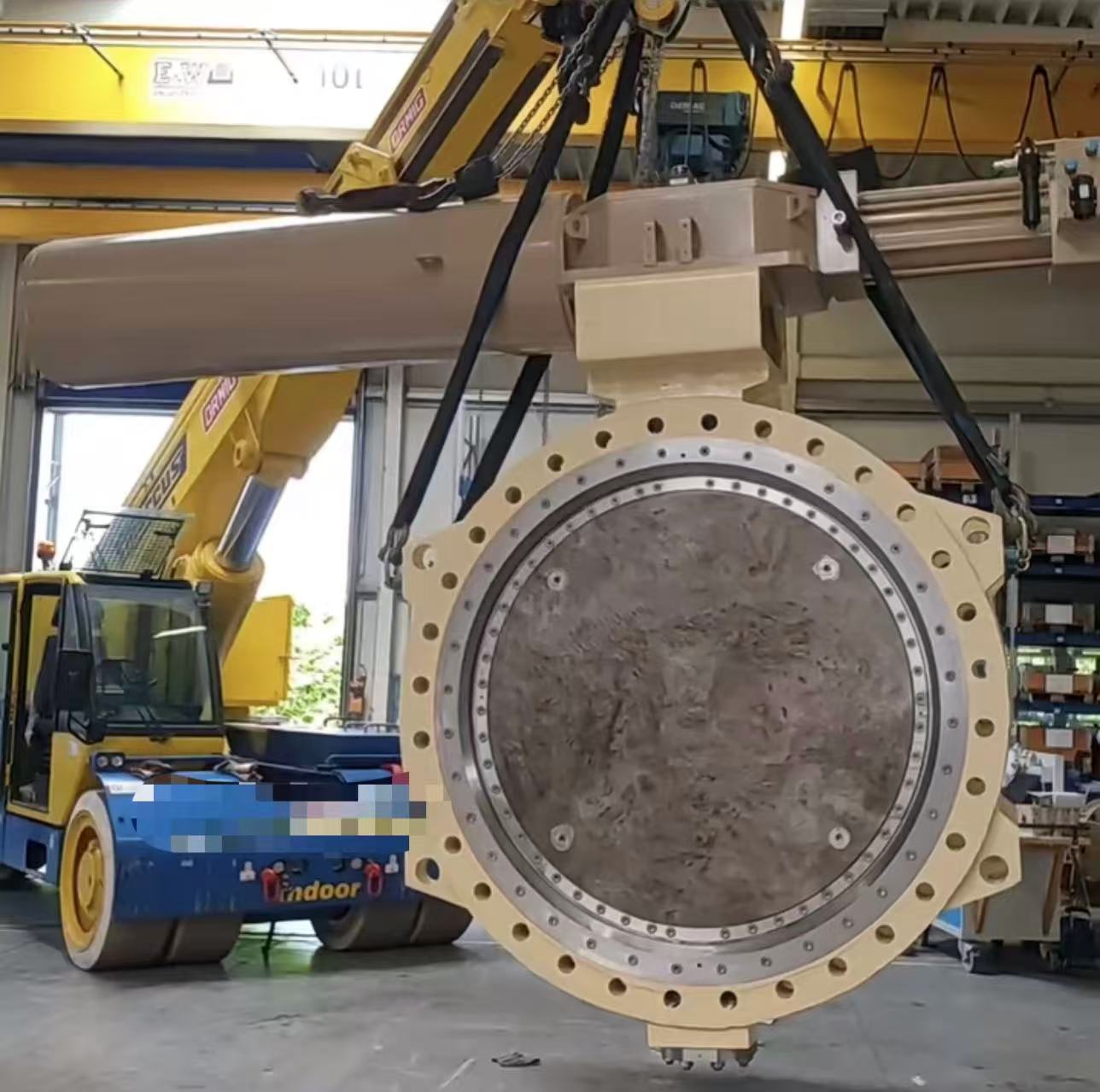
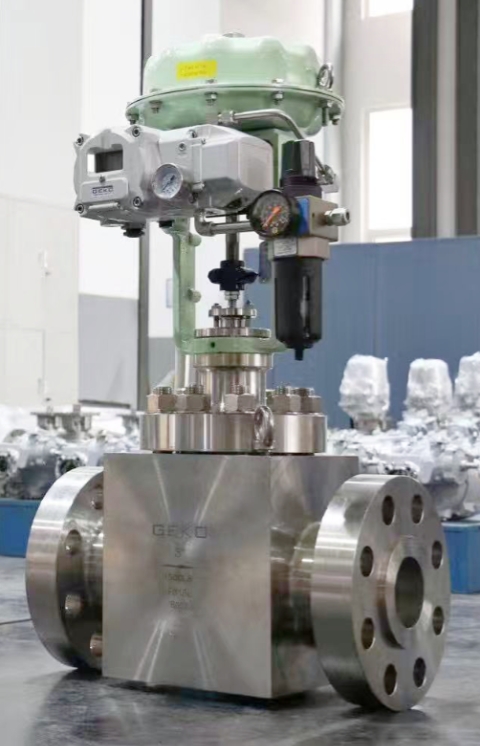
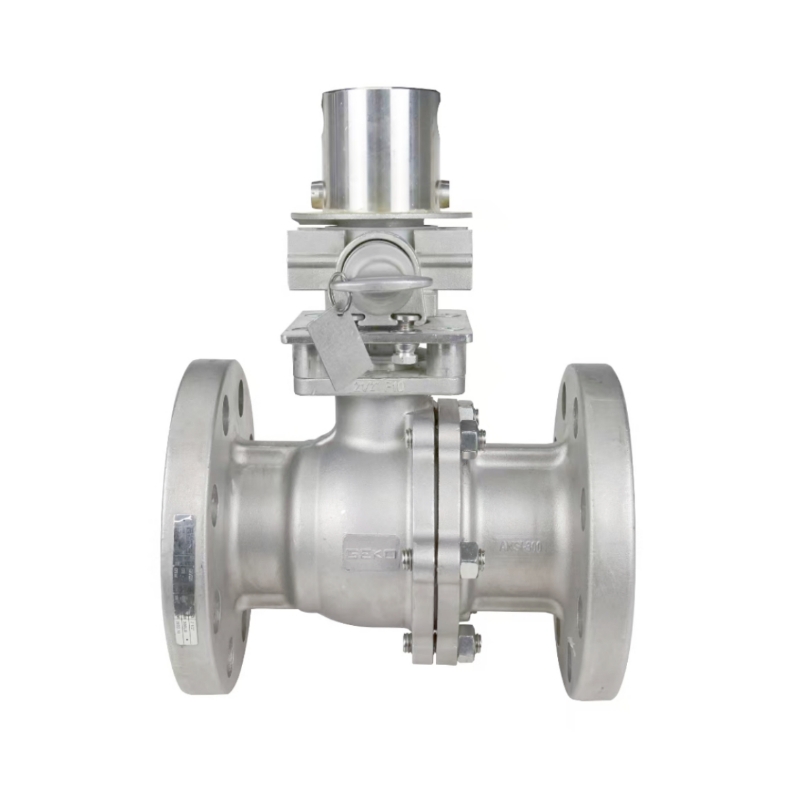
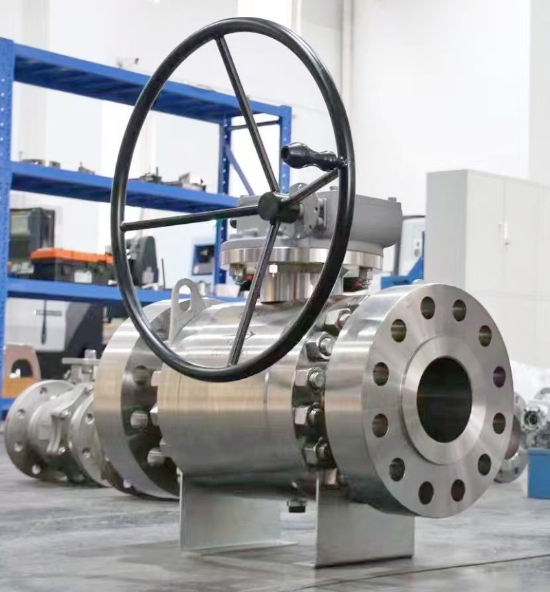
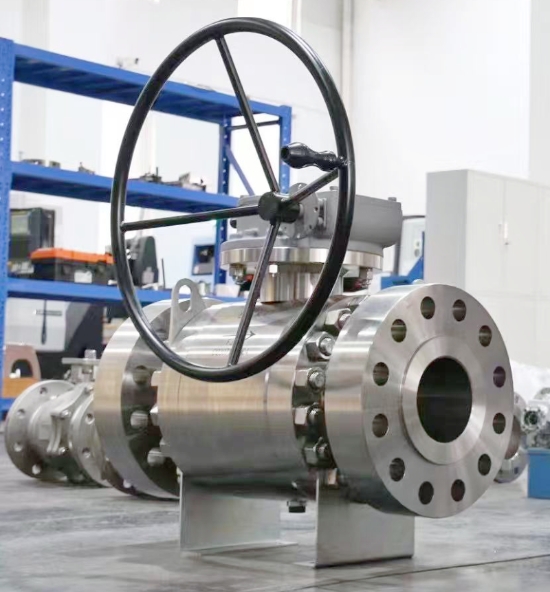
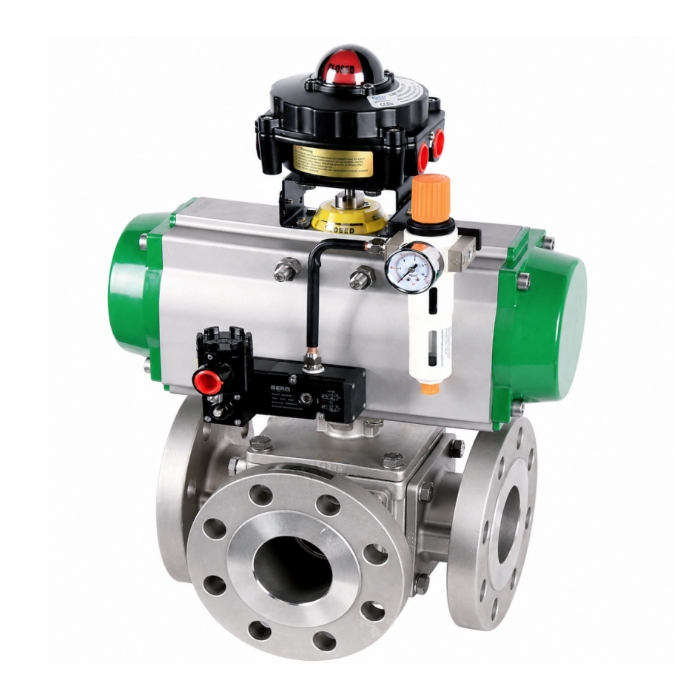
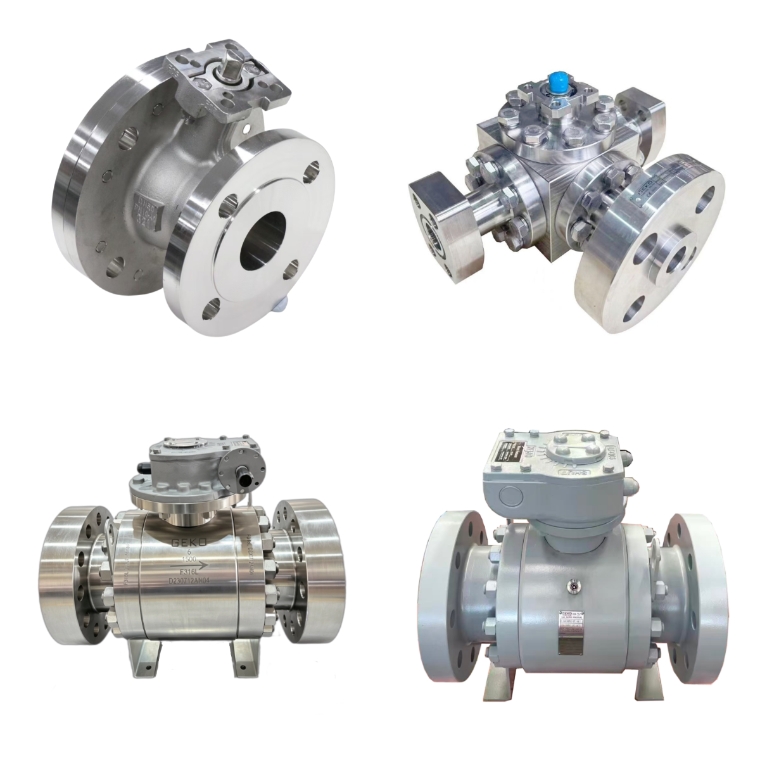
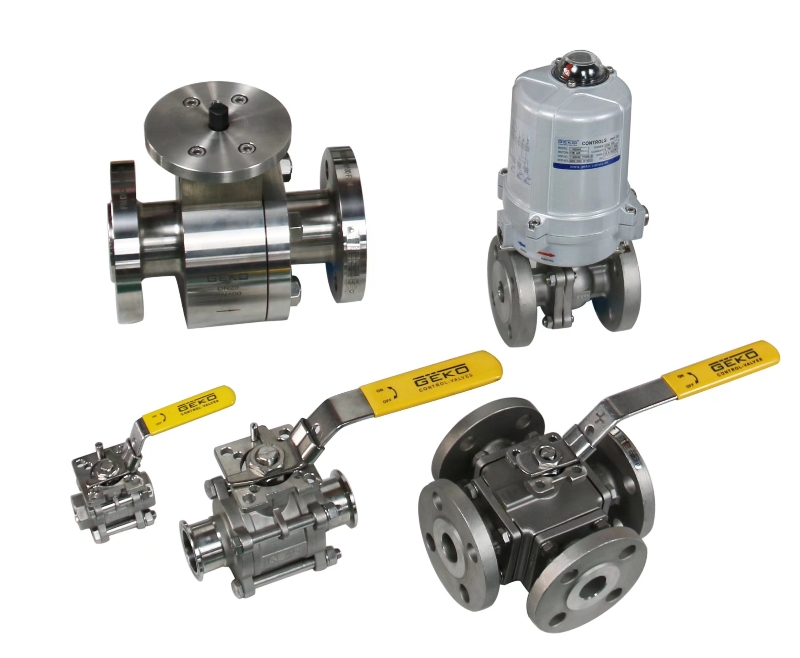
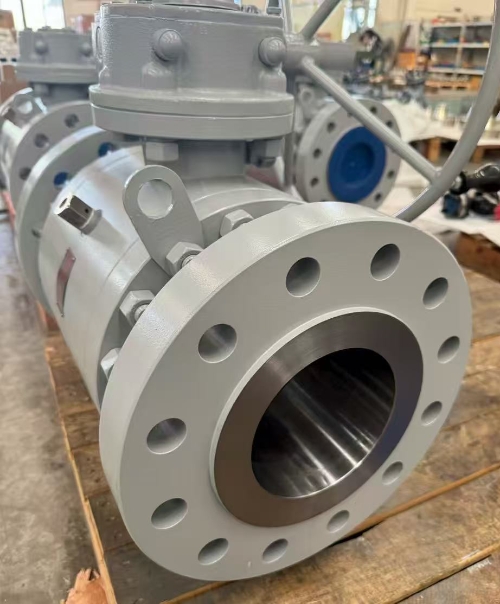
    Floating vs Trunnion Mounted Ball Valves: How to Choose the Right Ball Valve for Your System When specifying ball valves for industrial piping systems, one of the most critical engineering decisions is selecting between floating ball valves and trunnion‑mounted ball valves. Though both belong to quarter‑turn ball valve families and deliver bubble‑tight shut‑off performance, their ball‑support mechanisms create major differences in pressure capability, size range, operating torque, service life and total project cost. GEKO Valve manufactures both designs for oil & gas, petrochemical, power, water treatment and process industries. Understanding their core working principles, pros and cons helps engineers avoid wrong‑specification failures and reduce long‑term maintenance expense.     What is a Floating Ball Valve In a floating ball valve, the ball is not mechanically locked from below. It is held in position purely by the compression of two seat rings. When the valve closes, line pressure pushes the ball slightly toward the downstream seat to create a tight pressure‑assisted seal. - Simple internal construction with fewer components - Sealing performance improves as working pressure rises within allowable range - Cost‑effective for general‑purpose industrial applications - Operating torque increases significantly under high pressure; high pressure may overload and damage soft seats Typical scope: Small‑to‑medium sizes up to DN150 (6 inch), low‑to‑medium pressure classes (Class150‑300). Widely used in water, general chemical processing and medium‑pressure process pipelines.   What is a Trunnion‑Mounted Ball Valve A trunnion‑mounted ball valve features a ball fixed by upper stem and lower trunnion shaft. The ball cannot shift under fluid pressure. Sealing is achieved by spring‑loaded seat rings that press against the stationary ball surface, independent of line pressure. - Ball bears pressure load via trunnion shafts instead of valve seats - Stable low operating torque even at high pressure, well‑suited for pneumatic or electric actuation - Works reliably for large‑bore and high‑pressure service; protects seats from over‑compression - More complex structure, higher initial investment compared with floating type Typical scope: Large diameter pipelines, high‑pressure Class600 and above, frequent cycle operation. Main applications include oil‑gas transmission pipelines, refinery units, power plant process systems and critical isolation service.     Core Comparison: Floating vs Trunnion‑Mounted Ball Valves - Ball support: Floating – supported only by seats; Trunnion‑mounted – supported by stem plus lower trunnion shaft - Sealing principle: Floating – pressure pushes ball against downstream seat; Trunnion‑mounted – spring‑energized seats move toward fixed ball - Optimal size: Floating: DN15‑DN150; Trunnion‑mounted: DN50 and above, up to large bore sizes - Pressure adaptability: Floating: low‑medium pressure; Trunnion‑mounted: medium‑high and extreme pressure - Operating torque: Floating: torque rises with pressure; Trunnion‑mounted: low and stable torque - Automation suitability: Floating: feasible at moderate pressure; Trunnion‑mounted: preferred for automated high‑pressure systems - Cost level: Floating: lower purchase cost; Trunnion‑mounted: higher upfront cost, lower lifecycle maintenance cost   Selection Guide: When to Choose Floating Ball Valves Select floating ball valves if your project matches most of below conditions: - Nominal size ≤ DN150 (6 inch) - Working pressure stays within low‑to‑medium pressure class (Class150‑300) - General‑purpose process media: water, light chemicals, compressed air - Manual operation or automation under moderate pressure - Project emphasizes competitive component cost with standard reliability requirements   Selection Guide: When to Choose Trunnion‑Mounted Ball Valves Specify trunnion‑mounted ball valves for these demanding working scenarios: - Large‑diameter pipelines ≥ DN200 - High‑pressure service: Class600, Class900 and higher pressure ratings - Pneumatic or electric actuated automatic control systems - Frequent opening‑closing cycles, critical safety isolation duty - Oil‑gas transmission, refinery, power plant and heavy‑duty chemical process - Where high pressure must not generate excessive operating torque or damage sealing seats   Common Selection Pitfalls to Avoid Many field failures come from mis‑matching ball valve structure with actual working conditions. A floating ball valve used for high‑pressure large‑bore service will produce excessive torque, cause seat crushing and leakage risk. Although trunnion‑mounted valves can technically work for small‑bore low‑pressure lines, they bring unnecessary extra cost. Always evaluate size, pressure, actuation requirement and media before finalizing valve type.   Conclusion There is no universal “better” design between floating and trunnion‑mounted ball valves; the correct choice fully depends on pipeline size, operating pressure, actuation mode, media properties and project budget. Floating ball valves deliver simple, economical performance for small‑size, medium‑pressure general industrial piping. Trunnion‑mounted ball valves excel in large‑bore, high‑pressure and critical automated process systems, offering stable torque and extended service life. GEKO Valve supplies both floating and trunnion‑mounted ball valves with varied pressure classes, body materials and actuation options to match diverse industrial project requirements.
    EN SAVOIR PLUS
  • Liquid Nitrogen Shut-Off Valves | -196°C Cryogenic Isolation Valve - GEKO Valve
    Liquid Nitrogen Shut-Off Valves | -196°C Cryogenic Isolation Valve - GEKO Valve
    Aug 05, 2026
    Liquid Nitrogen Shut-Off Valves: Ultra-Low Temperature Isolation for LN₂ Systems   Liquid nitrogen shut-off valves are specialized cryogenic isolation valves designed to handle ultra-low-temperature liquid nitrogen at -196°C. As core safety equipment in cryogenic storage, transportation, and industrial process piping, these valves provide bubble-tight shut-off, reliable media isolation, and stable on/off control for LN₂ pipelines. Unlike standard industrial valves that fail rapidly under extreme cold, GEKO liquid nitrogen shut-off valves are engineered with low-temperature resistant materials, extended bonnet structures, and anti-freezing designs, perfectly adapting to long-term cyclic operation of liquid nitrogen storage tanks, transfer pipelines, vaporizers, and industrial cryogenic systems.     Liquid nitrogen is widely used in industrial manufacturing, medical treatment, food freezing, aerospace testing, and new energy cryogenic processes. Its ultra-low temperature characteristic causes ordinary valves to suffer seal embrittlement, material cold shrinkage, structural deformation, and internal leakage, which easily lead to medium loss, pipeline frosting, equipment damage, and even safety accidents. Professional liquid nitrogen shut-off valves effectively solve these industry pain points, achieving zero-leakage isolation and safe pipeline switching in extreme cryogenic environments.   Core Structural Design of Liquid Nitrogen Shut-Off Valves 1. Extended Bonnet Anti-Cold Structure GEKO liquid nitrogen shut-off valves adopt a lengthened bonnet design. The extended stem structure effectively isolates ultra-low-temperature liquid nitrogen from the packing and upper actuator components, preventing low-temperature frost penetration, packing hardening and frost cracking. This structure avoids ice accumulation on the valve stem that may cause jamming and sealing failure, ensuring flexible and stable switching operation under -196°C working conditions. 2. Low-Temperature Resistant Stainless Steel Body The entire valve body and internal trim are made of high-performance stainless steel materials with excellent low-temperature toughness. It does not produce cold brittleness or structural shrinkage deformation in ultra-low temperature environments, far exceeding the performance of carbon steel and ordinary alloy valves. The integrated forging process improves overall structural rigidity, resisting pressure impact and medium scouring during liquid nitrogen transmission. 3. Professional Cryogenic Sealing System Matched with imported low-temperature resistant special sealing materials, the valve maintains stable elasticity and tight sealing performance under ultra-low temperature. It avoids the aging, hardening and failure of ordinary PTFE and rubber seals in cryogenic environments, realizing long-term bubble-tight shut-off and effectively preventing liquid nitrogen leakage and gas volatilization loss. 4. Anti-Freezing Smooth Flow Channel The internal flow channel adopts a streamlined smooth design without dead corners, which reduces fluid resistance and prevents residual liquid nitrogen from freezing and blocking the pipeline. The optimized internal structure ensures rapid and complete medium cut-off during shut-off, supporting frequent start-stop and cyclic switching of LN₂ systems.   Key Product Advantages - -196°C Ultra-Low Temperature Resistance: Professional cryogenic configuration, stable operation adapting to liquid nitrogen extreme working conditions - Bubble-Tight Zero Leakage: Custom cryogenic sealing system eliminates internal and external leakage, ensuring system safety - Anti-Frost & Anti-Jamming: Extended bonnet structure prevents stem frosting and switching failure - Excellent Structural Toughness: Stainless steel integral forging, no cold brittleness deformation in ultra-low temperature environment - Long Service Life: Resists frequent temperature cycling and pressure fluctuations, reducing maintenance frequency and operating costs - Diversified Control Modes: Support manual, pneumatic and electric actuation, compatible with automatic cryogenic control systems   Working Principle The liquid nitrogen shut-off valve relies on the precise cooperation of the valve core and cryogenic sealing seat to realize pipeline on/off isolation. When the system needs medium circulation, the valve stem drives the valve core to open smoothly, ensuring low-resistance transmission of liquid nitrogen; when shutdown, maintenance or emergency isolation is required, the valve quickly cuts off the flow channel to achieve complete medium shut-off. With the help of extended bonnet anti-freezing structure and low-temperature resistant materials, the valve maintains accurate action and stable sealing in long-term -196°C low-temperature operation, avoiding pipeline failure caused by environmental temperature changes.   Typical Industrial Applications GEKO liquid nitrogen shut-off valves are widely used in full-scenario liquid nitrogen cryogenic systems, covering industrial, medical, food and new energy fields: - Liquid nitrogen storage tank outlet isolation and pipeline shut-off systems - Industrial cryogenic processing and low-temperature cooling circulation systems - Medical cryotherapy and biological low-temperature storage equipment - Food quick-freezing and cold chain low-temperature processing pipelines - Aerospace and precision instrument cryogenic testing systems - New energy and semiconductor ultra-low temperature process equipment   Common Selection Notes for LN₂ Shut-Off Valves Ordinary room-temperature shut-off valves are strictly prohibited for liquid nitrogen pipelines. When selecting liquid nitrogen shut-off valves, priority must be given to professional cryogenic models with extended bonnet, low-temperature stainless steel body and special cryogenic seals. It is necessary to match the pressure level and caliber according to the pipeline flow rate and system pressure, and select manual or automatic actuators according to on-site control requirements, so as to avoid valve failure and safety hazards caused by improper selection.   Conclusion Liquid nitrogen shut-off valves are indispensable safety isolation equipment for all ultra-low-temperature LN₂ piping systems. With professional -196°C cryogenic design, extended anti-frost structure, high-toughness stainless steel body and zero-leakage sealing performance, GEKO liquid nitrogen shut-off valves solve the common problems of frost jamming, seal failure and medium leakage of ordinary valves in cryogenic environments. They provide safe, stable and low-maintenance shut-off protection for various industrial liquid nitrogen storage, transportation and process systems, becoming a reliable choice for global cryogenic engineering projects.
    EN SAVOIR PLUS
  • Cryogenic Proportional Control Valve | Stainless Steel IP65 PWM Low Temperature Valve - GEKO Valve
    Cryogenic Proportional Control Valve | Stainless Steel IP65 PWM Low Temperature Valve - GEKO Valve
    Aug 05, 2026
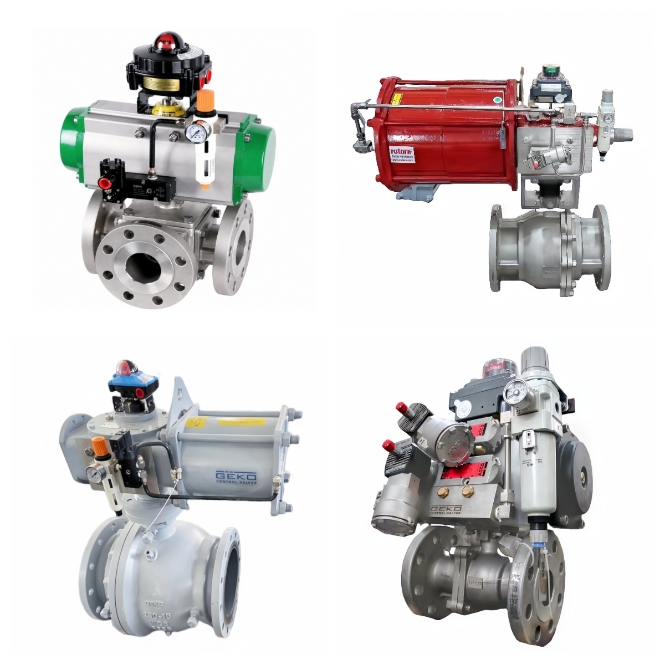
    Cryogenic Proportional Control Valve – Stainless Steel IP65 PWM Low Temperature Performance Cryogenic proportional control valve is a high-precision flow regulation device specially engineered for ultra-low temperature industrial fluid systems. Adopting full stainless steel (SS) body construction, PWM pulse width modulation control technology and complete IP65 dustproof & waterproof protection, this GEKO low-temperature proportional valve delivers stable, repeatable and linear flow/pressure regulation in cryogenic working environments. It solves the common pain points of traditional control valves such as inaccurate adjustment, seal failure, low environmental adaptability and short service life under low-temperature conditions, becoming a core precision component for cold storage, cryogenic gas delivery, chemical low-temperature processing and new energy cryogenic systems. Different from ordinary industrial proportional valves that are only suitable for normal or medium-temperature media, GEKO cryogenic proportional control valves are optimized for low-temperature medium characteristics and harsh outdoor working conditions. The combination of stainless steel anti-corrosion structure, IP65 high-grade protection and high-frequency PWM precise control enables the valve to maintain excellent control accuracy and structural stability in long-term low-temperature operation, avoiding freezing blockage, component brittle fracture and signal control deviation.     Core Product Design & Technical Features 1. Full Stainless Steel (SS) Anti-corrosion & Low-temperature Resistant Structure The entire valve body, valve core and flow passage adopt high-quality stainless steel integrated molding. Compared with cast iron and carbon steel valves that are prone to low-temperature brittleness and oxidation corrosion, the stainless steel structure features ultra-high low-temperature toughness, excellent rust resistance and medium compatibility. It can stably adapt to low-temperature gas and liquid media, effectively resisting moisture corrosion and low-temperature stress deformation, ensuring long-term structural integrity and zero leakage of the flow passage. 2. High-precision PWM Pulse Width Modulation Control Equipped with advanced PWM (Pulse Width Modulation) digital control technology, the valve adjusts the valve opening continuously and proportionally by changing the pulse duty cycle. It realizes 0–100% stepless precise regulation of flow and pressure, with ultra-low hysteresis and superior repeatability. Different from traditional analog control valves with large adjustment errors, PWM control features fast signal response, strong anti-interference ability and stable output, perfectly matching PLC automatic control systems to support accurate closed-loop regulation of cryogenic fluid systems. 3. IP65 Full-grade Environmental Protection Performance The electrical actuator and control module of the valve adopt strict IP65 dustproof and waterproof protection grade. The fully sealed structural design completely isolates dust, rainwater, condensed water and outdoor humid air. It can work stably in open-air industrial environments, cold workshops and humid low-temperature stations, effectively preventing internal circuit frost damage, water ingress and dust blockage, greatly improving the operational reliability and service life of the valve in complex working conditions. 4. Professional Low-temperature Resistant Configuration Optimized with low-temperature special sealing materials and anti-freezing flow channel design, the GEKO low-temperature proportional control valve avoids seal hardening, shrinkage and failure caused by ultra-low temperature. The internal flow channel is smooth and free of dead corners, which prevents medium condensation, icing and blockage. It maintains flexible and accurate regulation performance in long-term low-temperature circulating working conditions, realizing stable and continuous fluid control.   Working Principle The GEKO cryogenic proportional control valve receives PWM digital control signals from the industrial control system. The system changes the pulse on-time ratio to adjust the actuator stroke and valve core opening in real time. The linear corresponding relationship between signal duty cycle and flow rate is used to realize precise proportional regulation of low-temperature fluid. With the cooperation of stainless steel anti-low-temperature structure and IP65 fully sealed protection, the valve completes stable automatic regulation of flow and pressure in low-temperature environments, supporting intelligent and unmanned operation of industrial cryogenic systems.   Key Industrial Applications Relying on stainless steel corrosion resistance, IP65 environmental adaptability, PWM high-precision control and excellent low-temperature resistance, this proportional valve is widely used in precision industries with strict requirements on low-temperature fluid control: - Cryogenic gas transmission and distribution systems (liquid nitrogen, liquid oxygen, LNG auxiliary regulation) - Low-temperature chemical reaction and refrigeration process pipelines - New energy equipment low-temperature cooling circulation systems - Industrial cold storage and ultra-low temperature constant temperature control systems - Precision instrument low-temperature medium delivery pipelines - Outdoor low-temperature industrial automatic control piping systems   Product Advantages Over Ordinary Valves - Strong low-temperature adaptability: Special low-temperature optimization design, no brittle failure or seal failure in ultra-low temperature environments - Higher control accuracy: PWM digital proportional control, stable linear output, effectively avoiding flow fluctuation - Durable stainless steel body: Anti-rust, anti-corrosion and anti-low-temperature deformation, reducing maintenance frequency - All-weather operation: IP65 waterproof and dustproof, suitable for indoor and outdoor harsh working conditions - Excellent system compatibility: Perfectly matched with mainstream industrial PLC control systems, easy for system integration and upgrading   Conclusion The GEKO Cryogenic Proportional Control Valve with SS IP65 PWM Low Temperature performance is a professional precision control solution tailored for industrial low-temperature fluid systems. It integrates stainless steel durable structure, IP65 high-grade protection and high-precision PWM proportional control technology, solving the core problems of inaccurate regulation, poor environmental resistance and low durability of traditional low-temperature control valves. It provides stable, efficient and low-maintenance fluid proportional control for cryogenic gas, low-temperature chemical, refrigeration and new energy industrial systems, and is a reliable high-precision supporting valve for industrial low-temperature automatic piping systems.
    EN SAVOIR PLUS
  • Types of Specialized Industrial Ball Valves for Unique Piping Applications | GEKO Valve
    Types of Specialized Industrial Ball Valves for Unique Piping Applications | GEKO Valve
    Aug 04, 2026
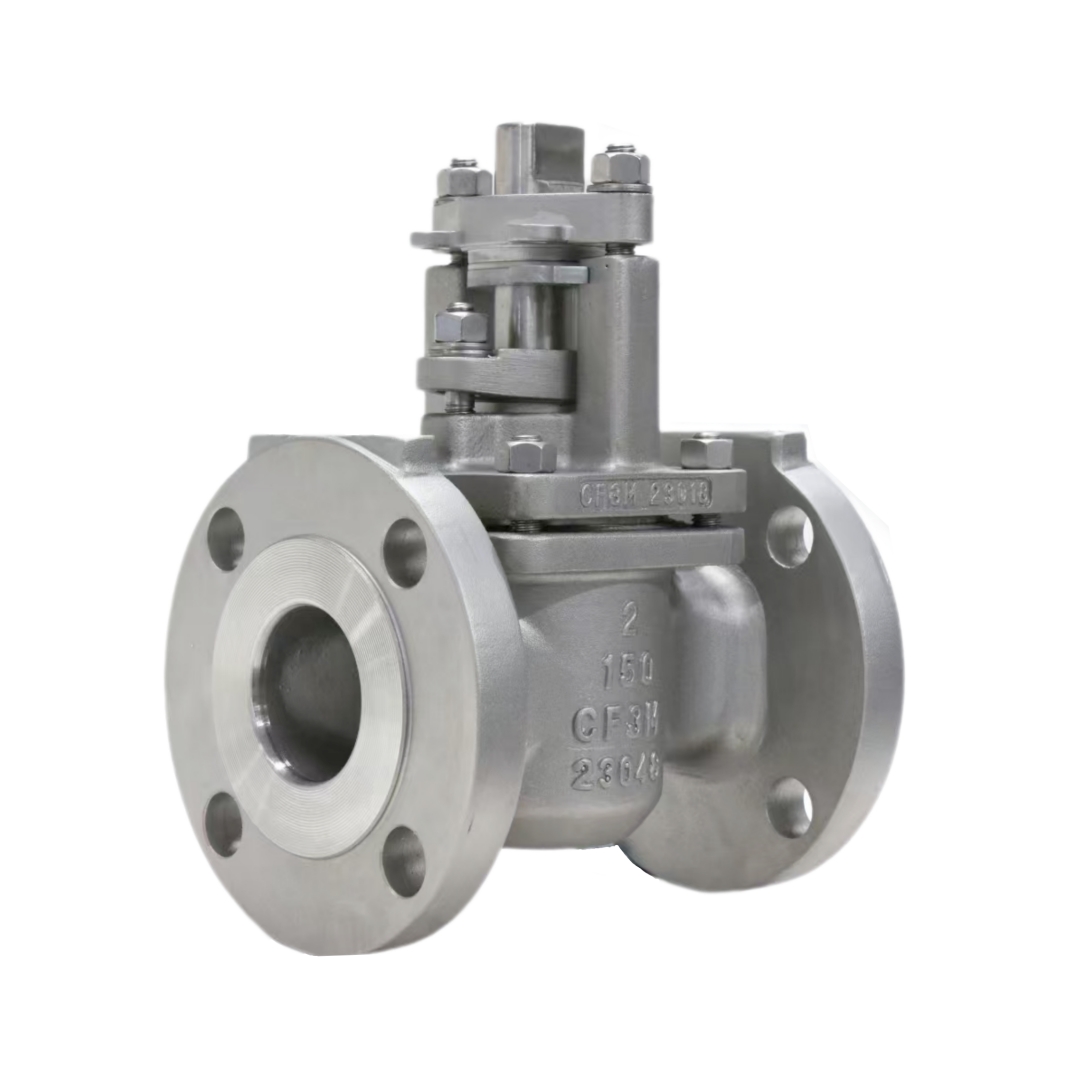
    Types of Specialized Industrial Ball Valves for Unique Piping Applications Standard industrial ball valves provide reliable on/off shut-off performance for most general piping systems. However, many industrial processes including flow modulation, sanitary production, cryogenic fluid handling, and multi-path fluid switching require specialized ball valve designs to meet unique operating demands. General-purpose floating and trunnion ball valves cannot solve complex process problems such as precise regulation, contamination prevention, ultra-low temperature resistance, and medium diversion. This article introduces four widely used special-type ball valves, covering their structural features, working principles, advantages, and typical industrial applications to help engineers select the correct valve for special piping scenarios.     1. V-Port Ball Valve (Variable Flow Control Ball Valve) A V-port ball valve is a specialized regulating ball valve designed for precise flow modulation. Different from standard round-hole ball valves, its ball core is machined with a V-shaped notch that provides an approximately linear flow characteristic throughout the entire stroke. When the valve opens and closes, the V-shaped cutting edge shears fluid medium smoothly, making it ideal for viscous liquid, fiber-containing medium, and accurate flow adjustment. Key Advantages - Precise 0–100% proportional flow regulation - Excellent linear flow curve for PID automatic control systems - Self-cleaning shear function prevents fiber and particle blockage - Zero leakage shut-off performance Typical Applications: Chemical processing, papermaking industry, wastewater treatment, oil and grease pipelines, and automatic process flow control systems.   2. Multi-Way Ball Valve (3-Way & 4-Way Ball Valve) Multi-way ball valves include 3-way and 4-way structural designs, developed to replace complex pipeline tee joints and multiple valve combinations. They are used to realize fluid diversion, mixing, direction switching, and loop control within a single valve unit, greatly simplifying piping layout and reducing system installation costs. Key Advantages - Integrated fluid switching and mixing function - Simplifies pipeline structure and reduces leakage points - Supports flexible flow direction switching for skid systems - Compact structure, easy for modular equipment integration Typical Applications: Industrial skid-mounted equipment, heating circulation systems, petrochemical fluid switching, HVAC systems, and process medium mixing pipelines.   3. Sanitary Ball Valve (Food Grade Ball Valve) Sanitary ball valves are specially designed for sterile and contamination-free production environments. The entire valve body adopts full mirror polishing treatment with no internal dead corners, no residue accumulation, and smooth fluid passage. Most sanitary ball valves adopt quick clamp connection for fast disassembly and on-site cleaning, fully meeting GMP production standards. Key Advantages - Dead-free internal cavity to avoid bacterial growth - High-precision mirror polishing surface - Food-grade sealing materials available - Easy disassembly, cleaning, and sterilization Typical Applications: Food processing, beverage production, pharmaceutical industry, biological engineering, and cosmetic manufacturing pipelines.     4. Cryogenic Ball Valve (Low-Temperature Ball Valve) Cryogenic ball valves are professional low-temperature resistant valves developed for ultra-low temperature fluid working conditions. Equipped with an extended bonnet structure, the valve isolates low-temperature fluid from packing components, preventing packing failure and frost cracking under extreme low temperature. Special low-temperature resistant materials ensure stable sealing and mechanical performance in cryogenic environments. Key Advantages - Extended stem bonnet protects sealing components from low-temperature frost damage - Professional cryogenic material configuration maintains toughness at ultra-low temperature - Stable sealing performance for long-term low-temperature operation - Anti-static and fire-safe optional design Typical Applications: LNG transmission stations, liquid nitrogen and liquid oxygen pipelines, cryogenic chemical storage systems, and low-temperature energy equipment.   How to Select Specialized Ball Valves for Industrial Systems Standard ball valves can only complete simple on/off cut-off functions. For special industrial processes requiring flow regulation, sterile transportation, low-temperature medium delivery, and multi-path fluid switching, selecting matched specialized ball valves is essential to avoid pipeline blockage, medium contamination, control inaccuracy, and valve failure. Engineers should select valve types according to medium characteristics, operating temperature, control requirements, and industry standards. V-port valves for regulation, multi-way valves for flow switching, sanitary valves for sterile industries, and cryogenic valves for ultra-low temperature systems. Conclusion Specialized ball valves play an irreplaceable role in complex industrial piping systems. Each type of special ball valve is developed for specific process pain points, providing higher precision, stronger environmental adaptability, and safer operation than ordinary ball valves. GEKO Valve provides a full range of customized special ball valves including V-port regulating ball valves, multi-way switching ball valves, sanitary food-grade ball valves, and cryogenic low-temperature ball valves, supporting diversified industrial process system solutions.
    EN SAVOIR PLUS
  • Key Factors When Purchasing Ball Valves for Piping Systems | GEKO Valve
    Key Factors When Purchasing Ball Valves for Piping Systems | GEKO Valve
    Aug 02, 2026
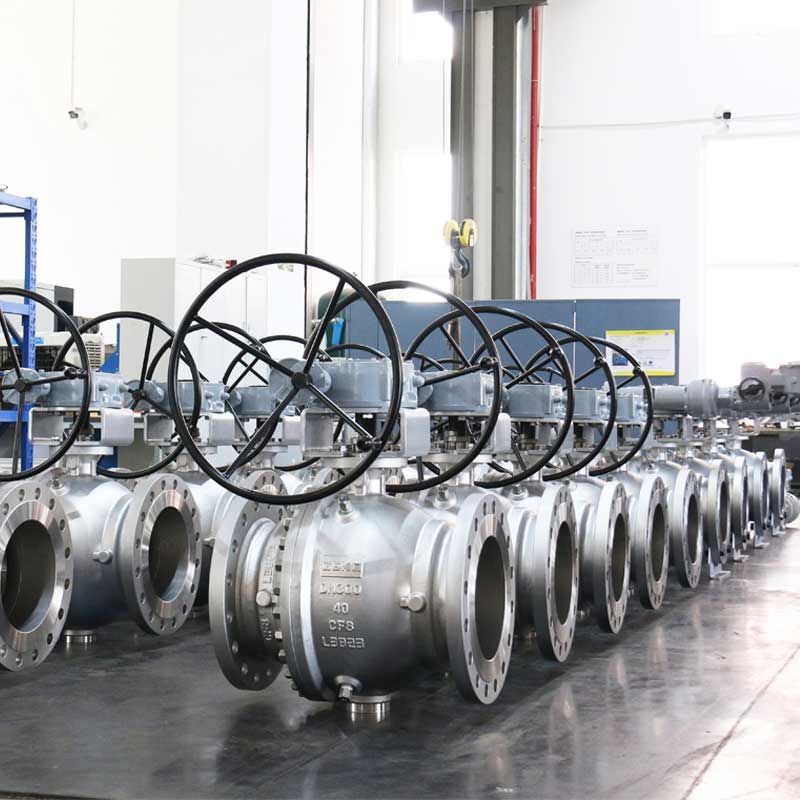
    Ball valves are widely deployed shut-off components in industrial piping systems for petrochemicals, power stations, water treatment, natural gas and heating networks. Many buyers only compare price and nominal size during procurement, ignoring critical technical indicators. Improper ball valve selection often results in seal failure, medium leakage, frequent maintenance and unplanned pipeline shutdown, bringing extra long-term operational losses. This article outlines all key factors when purchasing ball valves for piping systems to help procurement engineers and project designers make cost-effective, reliable purchasing decisions.     1. Clarify Actual Working Conditions of Piping Systems Working parameters are the primary baseline before purchasing ball valves. All configurations must match on-site service conditions. Medium: clean water, steam, fuel oil, natural gas, corrosive chemicals, or slurry containing solid particles. Medium characteristics determine valve body and seat material. Operating temperature: low temperature, ambient temperature or high-temperature service Working pressure: nominal pressure, maximum pressure surge and required shut-off pressure Function requirement: simple on/off cut-off or continuous flow regulation Flow capacity: select full port or reduced port ball valve according to flow demand     2. Select Proper Ball Valve Structure Type Different structural ball valves apply to distinct piping scenarios. Floating Ball Valve: Simple construction, cost competitive, suitable for medium & low pressure small and medium-diameter pipelines. Trunnion Mounted Ball Valve: Fixed ball design lowers operating torque, performs excellently under high pressure and large diameter pipelines, widely used for long-distance gas transportation and heavy industrial process pipelines. 3-Piece Ball Valve: Modular split body. Operators can complete inline maintenance without removing the whole valve from pipelines, ideal for systems requiring regular inspection. Top Entry Ball Valve: Maintenance accessible from valve top without flange disconnection, preferred for buried pipelines and gas stations.     3. Confirm Valve Body & Trim Material Compatibility Material incompatibility is one of the top causes of premature ball valve damage. WCB Carbon Steel: General oil, high-temperature steam and non-corrosive medium, common in power plant auxiliary pipelines. SS304 / SS316 Stainless Steel: Water, weak acid and alkaline chemical fluid. Duplex Stainless Steel: Seawater, brine and strong corrosive environments. Alloy Steel: High temperature, high pressure and hydrogen process working conditions.     4. Choose Suitable Seat Sealing Type Seat design directly affects tight shut-off performance and service life. Soft seat (PTFE, RPTFE, PEEK): Good sealing performance, chemical resistance, fit clean medium below 200℃. Metal-to-metal hard seat: High temperature resistance, abrasion resistance, applicable for steam, high-speed fluid and medium with particle impurities.   5. Determine Pipeline Connection Form Select end connection based on installation standard, pressure level and maintenance frequency: Flanged connection: Easy disassembly, stable sealing, widely used for large-size industrial piping Threaded connection: Mainly small-size valves for low-pressure auxiliary pipelines Butt-weld & socket weld connection: Excellent tightness, suitable for high pressure, high temperature and flammable hazardous media     6. Select Actuator Type Match actuators according to automatic control requirements of piping systems: Manual ball valve (handle / gear operator): For pipelines with infrequent switching Pneumatic ball valve: Fast action, optional explosion-proof structure, mainstream choice for automated production lines Electric ball valve: Suitable for sites without compressed air, easy for remote PLC control Hydraulic actuator: For large diameter high-torque ball valves   7. Check Essential Safety Auxiliary Configurations For hazardous medium pipelines, standard safety accessories cannot be omitted: Fire safe structure Anti-static device Blow-out proof stem Open/close locking device     8. Balance Initial Cost and Long-term Service Performance Many purchasers tend to prioritize low purchase prices. Low-cost ball valves often adopt inferior raw materials and rough processing. Although the upfront investment is low, frequent part replacement, leakage handling and production shutdown will raise overall costs significantly. It is recommended to evaluate service life, maintenance cycle, spare parts availability and manufacturer after-sales support comprehensively.   9. Verify Supplier Qualification & Certification Standard certifications guarantee product quality for industrial piping projects: Common required certificates: API 6D, ISO, CE, fire safe certification. Confirm whether the manufacturer can provide material test reports (MTR), inspection documents and on-site technical support.   Conclusion Purchasing ball valves for piping systems involves systematic evaluation of working conditions, valve structure, materials, sealing, connection modes, actuators and safety designs instead of simply comparing prices and sizes. GEKO Valve supplies a complete series of floating ball valves, trunnion mounted ball valves, three-piece ball valves and top entry ball valves with diversified material options. We provide technical support for piping system projects across power, petrochemical, water treatment and gas industries. Reach out to our engineering team for professional ball valve procurement consultation.
    EN SAVOIR PLUS

  • How to Choose the Right Ball Valve for Industrial Applications | GEKO Valve
    How to Choose the Right Ball Valve for Industrial Applications | GEKO Valve
    Aug 02, 2026
    Ball valves are one of the most widely adopted shut-off and control valves across modern industrial systems. Featuring a spherical closure member with a straight-through flow path, ball valves deliver fast quarter-turn operation, low flow resistance, reliable tight shut-off and simple maintenance. However, with dozens of design types, body materials, pressure classes and sealing solutions available, many engineers struggle to select a suitable ball valve matching specific process media, operating conditions and project budget. This guide breaks down all critical factors on how to choose the right ball valve for industrial applications to avoid premature failure, unplanned shutdowns and excessive operational costs.     1. Confirm Working Condition Parameters The first step of ball valve selection is clarifying core operating data, which lays the foundation for all subsequent configuration decisions. Working Medium: Water, natural gas, steam, oil, chemical solvent, slurry, corrosive fluid or cryogenic medium. Medium properties determine valve body, trim and seat material. Operating Pressure: Nominal pressure, maximum shut-off pressure and possible pressure surge. Select corresponding pressure class (Class150, Class300, Class600, PN16, PN25, PN40 etc.). Operating Temperature: Low temperature, normal temperature, medium or high temperature. Temperature directly limits the usable sealing material. Flow Requirements: Only full shut-off service, or partial flow modulation. Standard ball valves are optimized for on/off service; segmented V-port ball valves are recommended for flow regulation. Flow Rate & Pipe Size: Match valve bore size with pipeline diameter; choose full port or reduced port design accordingly.     2. Select Ball Valve Body Design Style Industrial ball valves are divided into multiple structural designs for different scenarios: Floating Ball Valve The ball is supported solely by two seats. Simple structure, cost-effective. Best for low and medium pressure pipelines. Widely used in water treatment, heating systems and general chemical pipelines. Trunnion Mounted Ball Valve Fixed ball supported by upper and lower trunnion shafts. Lower seat friction, excellent performance under high pressure and large diameter conditions. Ideal for natural gas transmission, petrochemical and power plant piping. 3-Piece Ball Valve Modular three-piece body structure. Easy inline maintenance without removing the whole valve from pipelines. Preferred for systems requiring frequent overhaul, such as food processing and fine chemical plants. Top Entry Ball Valve Maintenance can be completed from the top of valve without disconnecting flanges, widely used for underground pipeline and natural gas station applications.   3. Body & Trim Material Selection Material compatibility with process media is critical to prevent corrosion, erosion and leakage. WCB Carbon Steel: Suitable for high-temperature steam, general oil and non-corrosive industrial water; widely used in power and thermal industries. SS304 / SS316 Stainless Steel: For water, weak acid, alkaline and common chemical media. Alloy steel: For high temperature, high pressure and hydrogen-containing working conditions. Duplex stainless steel: For seawater, brine and strong corrosive environments.     4. Seat & Seal Material Sealing material determines tightness and service temperature range: PTFE / RPTFE: Excellent chemical resistance, for medium below 200°C, general industrial clean medium. Nylon, Peek: Higher wear resistance, suitable for media containing tiny solid particles. Metal to Metal Seat: For high temperature, high pressure, high-speed fluid and steam service, capable of achieving metal hard seal tight shut-off.   5. End Connection Type Select connection method based on installation, maintenance and pressure grade: Flanged connection: Convenient disassembly, stable sealing; common for large size and high pressure industrial pipelines. Threaded connection: Mainly small-size valves for low-pressure auxiliary pipelines. Butt-weld / Socket weld connection: Perfect for high pressure, high temperature and hazardous media, zero leakage risk.   6. Actuator Selection Manual operation or automatic control depends on system design: Manual ball valve (handle/gear operator): Simple, low cost, used for occasional switch operation. Pneumatic ball valve: Fast switching, explosion-proof optional, the most popular choice for automatic industrial processes. Electric ball valve: Suitable for sites without compressed air, convenient for remote PLC signal control. Hydraulic actuator: For ultra-large diameter and high torque heavy-duty ball valves.   7. Key Application Scenario Reference Power plant auxiliary pipeline: Trunnion mounted carbon steel ball valve, flange connection, metal seat option for high-temperature medium Water treatment industry: Floating stainless steel ball valve, PTFE soft seat Natural gas transmission pipeline: Trunnion ball valve with anti-static and fire safe design Chemical corrosive medium: SS316 or duplex steel ball valve with corrosion-resistant soft seats Food & beverage industry: Sanitary stainless steel ball valve with clamp connection   8. Important Additional Safety Features For hazardous industrial working conditions, extra configurations should be considered: Fire safe design: Prevent large-scale leakage in case seal melts during fire accident Anti-static device: Discharge static electricity, avoid explosion risk for flammable medium Blow-out proof stem: Prevent stem ejection under internal pressure Locking device: Lock open / lock close position to avoid misoperation   Conclusion Choosing the right industrial ball valve is not simply matching pipe size and pressure rating. Engineers need to comprehensively evaluate working medium, temperature, pressure, structural design, materials, connection methods and actuation modes. Improper selection will lead to internal leakage, operation jamming, rapid seal aging and frequent maintenance. GEKO provides a full range of floating ball valves, trunnion mounted ball valves, three-piece ball valves with diversified material configurations to meet customized demands of power plants, petrochemical, water treatment, heating and natural gas industries. Contact our technical team for professional ball valve selection support for your industrial projects.
    EN SAVOIR PLUS
  • Deaerator 100% Level Control Valve (LCV) - GEKO Valve
    Deaerator 100% Level Control Valve (LCV) - GEKO Valve
    Aug 02, 2026
    Deaerator 100% Level Control Valve (LCV) is a critical automatic flow control valve designed to sustain safe, stable and efficient operation of industrial and power plant deaerator systems. As a purpose-built solution from GEKO Valve for deaerator water level management, this deaerator level control valve delivers accurate 0–100% full-stroke linear level regulation, fully accommodating unit start-up, shutdown, variable-load and full-load operating conditions. It effectively resolves common operational issues including deaerator water level fluctuation, tank overflow, water shortage and feed water pump cavitation, serving as an indispensable component for reliable thermal system level control.   In power plant thermal cycle systems, deaerators eliminate corrosive dissolved gases (oxygen and carbon dioxide) from boiler feed water, protecting piping, boilers and auxiliary thermal equipment from corrosion and extending overall system service life. Stable deaerator water level is the core guarantee for optimal deaeration efficiency and system safety. Excessively high water levels lead to deaerator head overflow, degraded heat exchange performance and excessive vapor carryover; low water levels result in insufficient feed water supply, which may cause feed pump cavitation, unit load reduction and unplanned emergency shutdowns. Engineered with precise flow modulation, robust condition adaptability and zero-leak shut-off capability, the GEKO Deaerator 100% Level Control Valve establishes a dependable closed-loop level control system, ideal for 24/7 continuous and variable-load operation of medium-to-large industrial thermal units.   Core Product Advantages 1. 0–100% Full-stroke Precise Level Control Without Blind Spots Unlike conventional segmented level control valves with limited regulation range, the GEKO deaerator LCV provides true 0–100% full-opening linear level regulation with no control blind spots. Integrated seamlessly with standard PID closed-loop control systems, the valve modulates its opening in real time based on deaerator water level feedback signals, maintaining a constant, stable water level under all operating modes. Whether during unit start-up, low-load steady operation or full-load running, it minimizes water level oscillation, preserves maximum deaerator heat exchange efficiency and eliminates level-related equipment faults at the source.   2. Superior Stability Under High-temperature & High-pressure Working Conditions Optimized for harsh deaerator feed water conditions featuring high temperature, system pressure fluctuations and fine water impurities, this GEKO level control valve offers exceptional operational durability. It stably operates at a rated temperature of 130℃ and a rated working pressure of 2.7MPa, with a robust 3.9MPa shut-off pressure that provides ample safety margin for abnormal pressure conditions. The high-strength pressure-bearing valve body and premium temperature & pressure-resistant sealing components effectively resist long-term medium erosion, thermal cycling and pressure shocks. It prevents common valve failures such as jamming, deformation and external/internal leakage, supporting reliable 24/7 continuous operation for thermal power systems.   3. Large-flow Design for Large-scale Thermal Units Featuring an 8-inch large-caliber design and a high rated flow capacity of 820m³/hr, this 8 inch deaerator control valve adopts an optimized low-resistance flow channel structure to maximize flow efficiency. It fully meets the high-volume make-up water requirements of large-scale thermal power plants, self-owned industrial power stations and waste heat recovery systems. Thanks to its highly linear flow characteristics, the valve ensures smooth, stable flow modulation during variable-load switching, effectively stabilizing thermal system water circulation and improving overall unit operational stability and energy efficiency.   4. High-performance Tight Shut-off for Enhanced Safety Protection Built for deaerator high-level interlock safety protection, the valve delivers reliable tight shut-off performance under up to 3.9MPa pressure. When encountering system overpressure or ultra-high water level emergencies, it quickly and completely cuts off the feed water passage, preventing deaerator overflow, medium backflow and secondary system failures. Its premium zero-leakage sealing design eliminates internal leakage during static standby, reducing long-term system energy consumption and lowering daily maintenance frequency, significantly enhancing the overall safety and reliability of deaerator thermal systems.   5. Standardized Design with Excellent Compatibility & Adaptability Adopting international Class 300 pressure standard design, this GEKO deaerator level control valve features universal interface and mounting dimensions, enabling seamless replacement of all mainstream domestic and imported deaerator LCV valves. The modular integrated structure simplifies on-site installation, disassembly and routine maintenance, making it highly adaptable for new thermal power project construction and old power unit renovation and upgrading projects.   Working Principle & System Application Logic The GEKO Deaerator 100% Level Control Valve is installed in the deaerator feed water make-up loop and operates via intelligent closed-loop automatic control. High-precision liquid level sensors continuously monitor deaerator tank water levels and transmit real-time data to the PLC control system. The valve modulates dynamically: opening wider to increase condensate and make-up water flow when the water level is low, and closing down to reduce inflow when the water level rises above the preset threshold. In extreme high-level fault conditions, it achieves full shut-off for system protection. The 0–100% stepless full-stroke regulation maintains the deaerator water level within the optimal operating range, ensuring stable, high-efficiency deaeration, heat exchange and feed water delivery for the entire thermal cycle system.   Main Application Fields The high-precision GEKO Deaerator 100% Level Control Valve is widely used in industrial thermal systems that require stable and accurate deaerator level regulation, with typical application scenarios including: •Deaerator systems of thermal power plants and heating power plants •Deaeration equipment for industrial self-owned power stations and waste heat power generation systems •Industrial boiler thermal systems in chemical, textile and metallurgical industries •Deaerator systems of large-scale thermal stations for central heating and hot water supply   Conclusion Combining full-range precise level regulation, high-temperature & high-pressure resistance, large-flow high-efficiency delivery and high-safety tight shut-off performance, the GEKO Deaerator 100% Level Control Valve (LCV) solves the core pain points of unstable water level and low operational safety in industrial deaerator systems. With standardized Class 300 specifications, superior condition adaptability and long-term stable service performance, it stands out as the preferred level control solution for medium and large thermal power deaerator equipment. GEKO’s deaerator LCV valve provides energy-saving, low-maintenance and high-reliability water level control for all types of industrial thermal systems, supporting safe, stable and long-cycle operation of power generation units.   Common Operational Problems & Professional Solutions During long-term operation of conventional deaerator level control valves in power plant thermal systems, frequent load changes, high-temperature water erosion and pipeline vibration often cause various regulating failures. Below are the most common field problems matched with targeted solutions of GEKO 100% full-stroke LCV valve. 1. Deaerator Water Level Hunting & Fluctuation Problem Phenomenon: Traditional segmented control valves have obvious regulating dead zones and poor linearity. Under variable load conditions, the water level frequently rises and falls, causing continuous system hunting, which reduces deaeration efficiency and triggers frequent system fine tuning. GEKO Solution: Adopts optimized linear flow characteristic curve and true 0–100% full-stroke stepless regulation design without blind spots. The valve responds sensitively to tiny water level changes and realizes smooth gradient adjustment, completely eliminating water level oscillation and hunting caused by stepped regulation. 2. Valve Stem Jamming & Inflexible Regulation Problem Phenomenon: Long-term operation under high temperature and medium erosion leads to stem eccentricity, packing aging and impurity deposition inside the valve body, resulting in unsmooth valve opening/closing and even stuck stroke. GEKO Solution: Equipped with a dual-guided stem structure to ensure high coaxiality during full stroke movement and avoid eccentric wear. The optimized self-cleaning flow channel prevents impurity accumulation, while high-temperature resistant graphite packing ensures flexible stroke output under long-term thermal cycling conditions. 3. Internal Leakage After Long-term Service Problem Phenomenon: Frequent opening and closing causes trim abrasion and seat deformation, leading to internal leakage. The valve cannot cut off water flow completely during interlock shutdown, resulting in deaerator overflow risk. GEKO Solution: Adopts Stellite hard-facing overlay on plug and seat trim, greatly improving anti-erosion and anti-abrasion performance. The valve supports 3.9MPa high-pressure tight shut-off, maintaining zero internal leakage for a long time even after thousands of times of switching operations. 4. Slow Response & Hysteresis Regulation Problem Phenomenon: Ordinary LCV valves are susceptible to pipeline vibration and air source fluctuation, leading to delayed response, excessive adjustment deviation and failure to track rapid load changes. GEKO Solution: Matched with high-precision intelligent positioner and anti-vibration actuator structure. It features fast signal response and strong anti-interference ability, accurately tracking PLC control commands to realize real-time water level correction under rapid unit load ramp-up and ramp-down. 5. High Maintenance Frequency & High OPEX Problem Phenomenon: Conventional valves require frequent shutdown inspection, packing replacement and trim maintenance, causing system downtime losses and high operational costs. GEKO Solution: Adopts modular integrated structure, supporting inline maintenance without pipeline disassembly. Wear-resistant hard trim and durable sealing components greatly extend maintenance cycle, effectively reducing daily maintenance workload and long-term operating costs.
    EN SAVOIR PLUS
  • Hydrogen Separation, Filtration and Extraction Ball Valve
    Hydrogen Separation, Filtration and Extraction Ball Valve
    Jul 26, 2026
    High-performance ball valves for hydrogen separation, filtration and extraction processes. Learn about material selection, anti-hydrogen embrittlement, sealing design and working principles for hydrogen production systems.     Hydrogen Separation, Filtration and Extraction Ball Valve: Technical Design & Industrial Application 1. Overview of Ball Valves for Hydrogen Process Systems Hydrogen energy has become one of the core clean energy sources for global energy transformation. Hydrogen separation, filtration and extraction are essential links in hydrogen production, hydrogen purification and hydrogen delivery industries. As critical flow control components, hydrogen separation ball valves, hydrogen filtration ball valves and hydrogen extraction ball valves undertake the tasks of pipeline switching, flow regulation and medium isolation throughout the whole process. Different from conventional industrial valves, ball valves used in hydrogen service face extreme challenges such as high-pressure hydrogen medium, high purity requirements, hydrogen embrittlement risk and strict anti-leakage standards. A professional hydrogen process ball valve must combine excellent structural design, special material formula and reliable sealing system to ensure long-term safe and stable operation.   2. Working Principle & Functional Division 2.1 Hydrogen Separation Ball Valve Hydrogen separation is mainly used to separate hydrogen from mixed gas through physical or chemical methods. The hydrogen separation ball valve is installed on the inlet and outlet pipelines of separation equipment. By rotating the ball core, it realizes medium cut-off and flow switching between different separation units. This type of valve requires fast response and stable throttling performance to adapt to the pressure fluctuation during gas separation, and avoids gas cross-leakage between different mixed gas pipelines. 2.2 Hydrogen Filtration Ball Valve In hydrogen production, raw hydrogen contains impurities such as water vapor, dust and trace corrosive gas. Filtration systems are adopted to improve hydrogen purity. Hydrogen filtration ball valves are matched with filter devices to control medium flow before and after filtration. It needs to bear the impact of mixed gas with tiny particles, so the internal flow passage is designed with smooth structure to prevent particle accumulation and pipeline blockage, and extend the service life of both valves and filters. 2.3 Hydrogen Extraction Ball Valve Hydrogen extraction refers to collecting high-purity hydrogen from reaction systems or industrial by-product gas. Hydrogen extraction ball valves work at the terminal section of hydrogen production lines. They control the output, delivery and temporary storage of finished hydrogen. For high-purity hydrogen scenarios, the valve must achieve ultra-low leakage to prevent hydrogen loss and eliminate potential safety hazards caused by hydrogen diffusion.       3. Core Technical Requirements for Hydrogen Service Ball Valves 3.1 Anti-Hydrogen Embrittlement Performance Hydrogen molecules are easy to penetrate into metal materials, causing hydrogen embrittlement, material cracking and strength decline. This is the biggest hidden danger for hydrogen pipeline valves. All our ball valves for hydrogen separation, filtration and extraction adopt specially selected stainless steel and alloy materials, which effectively resist hydrogen penetration and material fatigue under long-term hydrogen medium environment. 3.2 Advanced Sealing & Zero Leakage Design Hydrogen has small molecular weight and strong fluidity, which makes it easier to leak than conventional gas. The valve seat and packing adopt multi-stage combined sealing structure, meeting strict industrial leakage standards. Whether in normal pressure or high-pressure working conditions, the valve can maintain excellent sealing performance and adapt to high-purity hydrogen working scenarios. 3.3 Flow Passage & Structural Optimization Full port or reduced port design is optional according to on-site working conditions. The inner wall of the valve body is finely processed with smooth flow channel, which reduces fluid resistance, avoids impurity adhesion, and is fully compatible with gas containing tiny impurities in filtration and separation processes. 3.4 Pressure & Temperature Adaptability Hydrogen separation and extraction equipment usually runs under medium and high pressure. The valve body is integrally forged with high structural strength, which can stably operate within the conventional temperature range of hydrogen production workshops and withstand continuous pressure changes in the production line.   4. Main Material Selection Material determines the comprehensive performance of hydrogen ball valves. For hydrogen separation, filtration and extraction working conditions, we classify materials according to medium purity and pressure level: Valve Body & Ball Core: High-grade austenitic stainless steel, excellent anti-hydrogen embrittlement and corrosion resistance, suitable for most hydrogen production and purification lines. Sealing Parts: Special fluorine plastic and reinforced composite sealing materials, wear-resistant, low gas permeability, suitable for high-purity hydrogen medium. Stem & Fasteners: High-strength alloy steel, preventing jamming and deformation after long-term frequent switching.   5. Typical Application Scenarios Industrial by-product hydrogen recovery and extraction systems Membrane hydrogen separation, pressure swing adsorption (PSA) hydrogen production units Raw hydrogen filtration and high-purity hydrogen purification production lines New energy hydrogen refueling station front-end processing pipelines Chemical plant hydrogen circulation and gas separation pipelines   6. Advantages of Our Hydrogen Process Ball Valves Compared with ordinary industrial ball valves, our ball valves dedicated to hydrogen separation, filtration and extraction have targeted technical upgrades: Professional anti-hydrogen embrittlement material formula, suitable for long-term hydrogen medium service Multi-level sealing structure, effectively solving the leakage problem of small hydrogen molecules Smooth flow channel design, anti-blocking, adapting to gas with trace impurities Compact and reliable structure, easy to install, maintain and match various process equipment Complete specifications, supporting different pressure grades and pipeline connection standards   7. Conclusion With the rapid expansion of the hydrogen energy industry, the demand for supporting fluid control equipment continues to grow. Ball valves used for hydrogen separation, filtration and extraction are key components to guarantee the stable operation of hydrogen production lines. Focusing on material optimization, sealing upgrade and structural improvement, our hydrogen series ball valves can fully meet the stringent technical requirements of modern hydrogen production, purification and delivery systems. We provide reliable valve solutions for medium and large hydrogen energy projects worldwide. Explore Our Hydrogen Process Ball Valves Our professional hydrogen separation, filtration and extraction ball valves are available for various hydrogen energy working conditions. Contact our technical team for customized solutions and product parameters. View Hydrogen Ball Valves
    EN SAVOIR PLUS
  • GEKO | Nuclear-Grade Valves Opportunities from Water-Cooled SMR Reactors
    GEKO | Nuclear-Grade Valves Opportunities from Water-Cooled SMR Reactors
    Jul 26, 2026
    { "@context": "https://schema.org", "@type": "Article", "headline": "Water-Cooled SMR Reactors Expand Market Opportunities for Nuclear-Grade Valves", "author": { "@type": "Organization", "name": "GEKO Valve" }, "publisher": { "@type": "Organization", "name": "GEKO Valve" }, "datePublished": "2026-07-26", "description": "Water-cooled small modular reactors (SMR) accelerate commercialization. Explore rising demand, reliability requirements and market trends for high-performance nuclear-grade valves." } Water-Cooled SMR Reactors Expand Market Opportunities for Nuclear-Grade Valves   1.WL-100 SMR Plans Commercialization Within 3 to 5 Years The booming development of Small Modular Reactor (SMR) creates huge growth potential for the nuclear-grade valve industry. Shanghai Weilan Fulcrum Energy Technology has completed three financing rounds, including Angel Round, Angel Plus Round and Pre-A Round, raising a total of hundreds of millions of yuan.   This financing was jointly supported by well-known investment institutions, such as Inno Angel Fund, Tsinghua Shuimu Alumni Seed Fund, Photosynthesis Venture Capital, CDH Investments, Northern Light Venture Capital, Vertex Ventures and Borui Capital. The company’s core product, WL-100 “Weilan No.1”, is an integrated water-cooled SMR. It is confirmed to launch commercial operation within 3 to 5 years. Adopting the mature Pressurized Water Reactor (PWR) technology, this project drives the nuclear power valve sector to achieve growth in both sales volume and product value. 2.Higher Reliability Standards for Integrated Nuclear Systems 2.1 Stable Rigid Demand for Nuclear-Grade Valves The WL-100 SMR integrates the reactor core, steam generator and main pump into one single pressure vessel. Compared with traditional large nuclear reactors, it greatly reduces external pipelines and shortens on-site construction time to only 2 to 3 years. Even with high system integration, the demand for nuclear-grade valves remains strong. Instead of lowering standards, the reliability requirements for core valves have become stricter. 2.2 Strict Technical Requirements for SMR Valves Key nuclear components including main steam isolation valves, pressurizer safety valves, passive residual heat removal valves and high-precision regulating ball valves play decisive roles in the whole system. Any valve failure will cause shutdown of the entire modular reactor. The underground and subsea deployment modes of WL-100 also set more rigorous standards for valves: Excellent sealing performance and anti-micro leakage capability Strong corrosion resistance for long-term service Superior anti-hydrogen embrittlement performance     2.3 Large Market Scale for SMR Valves According to SMR equipment investment data, nuclear-grade valves account for around 6% of total investment in each nuclear island unit. China targets 5GW to 8GW installed capacity of small modular reactors by the end of the 15th Five-Year Plan. In the next five years, the domestic market scale of SMR supporting valves will reach billions of yuan. The market potential will be further expanded when SMRs are widely applied in AI data centers, industrial parks and island power supply projects. 3. Mature Water-Cooled Supply Chain Benefits Licensed Valve Manufacturers Weilan Fulcrum adopts proven water-cooled PWR technology, which has been operated and verified by 93% of nuclear units worldwide. The project shares complete regulatory procedures, forging and casting supply chains, as well as ASME and national nuclear safety certification systems. Manufacturers holding Class 1 and Class 2 nuclear valve licenses and having rich PWR supply experience can enter the SMR supporting market with low conversion costs. Main pump suppliers, pressure vessel manufacturers and instrumentation & control enterprises also join the collaborative supply chain. A recent research report from CITIC Securities regards light-water SMR nuclear equipment and nuclear-grade valves as a major investment direction for advanced nuclear energy. As SMR projects move from demonstration to large-scale application, the nuclear valve industry will embrace value revaluation, benefited from high qualification barriers, stable replacement cycles and strong replicability of SMR projects. 4. Capital and Application Scenarios Drive Prefabrication Trend The participation of top investment institutions reflects the market demand for power supply of AI computing centers, as well as the coordinated development of energy storage and zero-carbon industrial parks supported by the CATL ecosystem. Weilan Fulcrum is cooperating with central state-owned enterprises like Dongfang Electric. The project applies the advanced model of factory prefabrication plus on-site assembly. As key connecting parts of prefabricated skid-mounted modules, prefabricated, lightweight and plug-and-play nuclear valve assemblies have become the core competitive advantage for nuclear equipment suppliers. 5. Future Development Trend of SMR Nuclear Valves Industry insiders predict that WL-100 will finish safety assessment and prototype verification within 3 to 5 years. Once domestic water-cooled SMRs realize mass production, the demand for nuclear-grade valves will be released in three stages: Customized valve production for the first reactor unit Mass replication for standardized SMR models Long-term operation and maintenance services for in-service reactors Valve manufacturers with full nuclear qualifications will transform from traditional large reactor suppliers into core service providers for both SMR and AI power industries. Learn More About Our Nuclear-Grade Valves GEKO provides high-reliability nuclear-grade valves suitable for SMR and traditional nuclear power projects. Our products meet strict nuclear safety standards with outstanding sealing and corrosion resistance. View Our Nuclear-Grade Valves →
    EN SAVOIR PLUS
  • Ball Valve in Liquid Ammonia Service: Reliable GKV225G Series by GEKO Valves
    Ball Valve in Liquid Ammonia Service: Reliable GKV225G Series by GEKO Valves
    Jul 26, 2026
                                                 GKV225G Ball Valve for Liquid Ammonia Service | GEKO Valves   GEKO GKV225G ball valve is specially designed for liquid ammonia service, featuring cryogenic resistance, bubble-tight shut-off and full safety certification. Ideal for refrigeration, chemical and fertilizer ammonia pipeline systems.   Liquid ammonia (NH₃) is a widely used medium in industrial refrigeration, chemical manufacturing, fertilizer production and flue gas denitrification. Characterized by low temperature, corrosiveness, toxicity and flammability, liquid ammonia puts forward extremely strict requirements on pipeline control valves. As a mainstream flow control component, ball valves are the preferred option for liquid ammonia working conditions thanks to fast switching, low flow resistance and excellent sealing performance. Among numerous products, the GEKO GKV225G series ball valve is professionally developed for liquid ammonia service, delivering stable, safe and long-lasting operation for ammonia process systems.   Why Ball Valves Are Preferred for Liquid Ammonia Service Liquid ammonia operates at a typical temperature of -33°C under normal pressure, and it will cause corrosion and embrittlement to unqualified valve materials. Compared with gate valves, globe valves and other types, ball valves show obvious advantages in ammonia pipelines: 1.Bubble-tight shut-off: Effectively prevent leakage of toxic liquid ammonia and meet international fugitive emission standards. 2.Quarter-turn operation: Realize rapid opening and closing, which is critical for emergency cut-off of ammonia systems. 3.Low pressure loss: Straight-through flow structure ensures high conveying efficiency for liquid ammonia. 4.Strong cryogenic adaptability: Professional material and sealing design keep stable performance under sub-zero temperature. For safety-critical liquid ammonia service, standard industrial valves cannot meet long-term operating demands. Customized ball valves such as GEKO GKV225G become the reliable guarantee for production.   Core Technical Requirements for Liquid Ammonia Ball Valves To adapt to liquid ammonia media, valves must comply with IIAR 2, ASME B31.3, API 607 and other industry specifications. Material selection and structural design are the core: - Copper, brass and bronze materials are forbidden to avoid stress corrosion cracking caused by ammonia. - Valve body, ball and stem need low-temperature resistant steel materials to resist cold brittleness. - The sealing assembly must use ammonia-resistant materials to prevent aging and leakage. - Equipped with blow-out proof stem, anti-static device and fire-safe structure for full safety protection. - All products need strict hydrostatic and pneumatic testing before delivery.   Every design detail of the GEKO GKV225G ball valve fully follows the above standards, targeting the harsh working conditions of liquid ammonia. GEKO GKV225G Series Ball Valve: Professional Solution for Liquid Ammonia Service GEKO Valves has rich experience in severe service valve R&D and manufacturing. The GKV225G series ball valve is our flagship model dedicated to liquid ammonia service, optimized in structure, material and performance for ammonia storage, transmission and process control systems.   Main Features of GEKO GKV225G Ball Valve Premium Material Configuration The GKV225G ball valve adopts low-temperature carbon steel and 316L stainless steel as standard materials, which have excellent low-temperature toughness and ammonia corrosion resistance. It can stably work within the temperature range of -46°C to 150°C, perfectly adapting to the conventional operating temperature of liquid ammonia. Copper alloy parts are completely excluded to eliminate hidden dangers of corrosion. Zero-Leakage Sealing System Matched with ammonia-resistant PTFE and PEEK combined seat seals and multi-layer stem sealing structure, GKV225G achieves ISO 15848-1 fugitive emission certification and ISO 5208 Rate A tight shut-off performance. It thoroughly solves the leakage problem of toxic liquid ammonia and protects on-site personnel and the environment. Integrated Safety Design All GKV225G liquid ammonia ball valves are equipped with blow-out proof stem, anti-static device and API 607 fire-safe structure. The vented ball design avoids internal pressure trapping, fully meeting the safety norms of ammonia chemical plants and refrigeration systems. Flexible Installation & Operation The GKV225G series provides full port and reduced bore two structural options, covering DN15 to DN300 sizes and PN16 to PN40 pressure grades. It adopts ISO 5211 standard mounting platform, which is compatible with manual, pneumatic, electric and hydraulic actuators, supporting on-site manual control and remote automatic emergency cut-off. Strict Factory Testing Each GEKO GKV225G ball valve undergoes 100% shell pressure test, seat sealing test and cryogenic performance test before leaving the factory. Strict quality control ensures no failure during long-term field operation and greatly reduces later maintenance costs.   Application Scenarios of GEKO GKV225G Ball Valve Tailored for liquid ammonia service, the GKV225G series is widely used in multiple industries:  - Industrial refrigeration systems for cold storage and food processing  - Fertilizer plants and ammonia synthesis production lines  - Petrochemical and fine chemical ammonia delivery pipelines  - Liquid ammonia storage tanks and terminal loading/unloading systems  - Power plant flue gas denitrification ammonia supply systems   Why Choose GEKO GKV225G Ball Valve for Liquid Ammonia Service Safety is the top priority for liquid ammonia production and transportation. Ordinary valves are prone to leakage, material damage and failure under long-term ammonia medium erosion. As a professional ammonia-specific product, GEKO GKV225G ball valve is designed for working conditions, compliant with global industrial standards, and combines safety, durability and economy.   Choosing GKV225G means: Effectively reducing safety risks caused by ammonia leakage Extending valve service life and cutting downtime and maintenance expenses Supporting manual and automatic control to match different process requirements Enjoying professional technical support and complete after-sales service from GEKO Valves   Conclusion Liquid ammonia service requires high-standard, targeted fluid control equipment. Ball valves are the most suitable valve type for ammonia pipelines, and the GEKO GKV225G series ball valve stands out with professional design, reliable performance and comprehensive safety configuration. Whether you are renovating old pipelines, building new ammonia systems or replacing failed valves, GEKO GKV225G liquid ammonia ball valve can provide you with a cost-effective and safe solution. If you want to know more about parameters, specifications and customized solutions of GKV225G ball valve, please contact GEKO Valves professional team at any time.  
    EN SAVOIR PLUS
  • From Purchase Order to FAT: How to Specify and Procure the Right GEKO Valve
    From Purchase Order to FAT: How to Specify and Procure the Right GEKO Valve
    Jul 07, 2026
    Valve Purchase Orders: What Must Be Specified   Valve quality—whether it meets the technical, material, and documentation requirements for its intended service—is fundamentally determined at the purchase order stage. A PO that specifies only type, size, pressure class, and material grade is incomplete: it leaves critical decisions about material certification levels, inspection scope, test standards, and documentation requirements to the supplier's discretion, and the supplier will naturally default to the minimum standards that can be considered compliant.     A complete industrial valve purchase order for GEKO valves should at minimum specify the following. The applicable design standard (ASME B16.34, API 6D, API 602, or BS EN 12516) defines structural design requirements. Material specifications must include not only the alloy grade but also the ASTM or EN material standard, product form (casting, forging, bar stock), and heat treatment condition—ASTM A105 carbon steel forgings and ASTM A216 WCB carbon steel castings have different microstructures and properties; specifying one while the supplier provides the other without documenting the change is a quality oversight.   Material certification requirements define the documentation that must accompany each valve's pressure-containing parts. The minimum requirement for process plant GEKO valves is typically EN 10204 Type 3.1 material certification—a test report issued by the material manufacturer confirming the chemical composition and mechanical properties of the specific heat or lot used, with traceability to the specific heat or lot number. Type 3.2 certification (the highest level, requiring third-party verification) is applicable for nuclear service, ultra-high pressure, or other critical GEKO valve applications where additional confidence in material data is required.   Test Standards   API 598, EN 12266, or project-specific test procedures—specify the pressure, duration, test medium, and maximum allowable leakage for shell tests and seat tests. The inspection plan—defining hold points (buyer must be present for work to continue) and witness points (buyer is notified but work may continue if absent)—is included in the purchase order to ensure that the supplier prepares an Inspection and Test Plan (ITP) before manufacturing begins.     Inspection and Test Plan Development   The Inspection and Test Plan (ITP) is the quality roadmap for a GEKO valve order. It lists every significant manufacturing operation, the applicable quality standard or procedure, inspection method (visual, dimensional, NDT, pressure testing), acceptance criteria, and inspection status (hold point, witness point, or review/verify by buyer).   A typical ITP for a critical GEKO gate valve order will set hold or witness points at: material receiving and certification review (confirming correct material is procured before machining begins); casting or forging dimensional inspection (confirming castings or forgings meet dimensional tolerances before machining removes material that could mask defects); non-destructive testing (radiography or ultrasonic testing of castings, penetrant or magnetic particle testing of welds and forgings); hydrostatic shell testing; seat leakage testing; final dimensional inspection against the valve data sheet; and nameplate and marking verification. The ITP is submitted by the manufacturer and reviewed and approved by the buyer or the buyer's third-party inspector before manufacturing commences—any disagreements on scope or inspection level are resolved at this stage, not after GEKO valves have been manufactured without the required inspections.   Material Traceability   Material traceability—the ability to trace every pressure-containing part of a GEKO valve back to its original mill certificate through unique identification markings—is a fundamental quality requirement for industrial valves. Without traceability, there is no confirmation that the materials installed in the valve match those specified on the purchase order, nor can valves using a heat of material later found to have quality issues be identified.   GEKO valve pressure-containing parts must be marked with heat or melt numbers that correspond to the material certificates. For castings, this is typically stamped or cast on the body. For small machined components (stems, seat rings, nuts, and bolts), colour coding, batch bagging, or hard stamp marking is used. The manufacturer's traceability records—linking each finished component's part number and serial number to its heat number and corresponding mill certificate—form part of the GEKO valve documentation package.     Positive Material Identification (PMI) testing—using portable X-ray fluorescence (XRF) analysers—is increasingly specified on critical GEKO valve orders, particularly where the risk of material substitution (deliberate or accidental use of the wrong alloy grade) has significant safety consequences. PMI testing of finished GEKO valve components independently confirms alloy composition meets specifications, rather than relying solely on traceability documentation. This is standard practice for GEKO alloy valves in sour service (where carbon steel substituted for stainless steel could lead to catastrophic failure), nuclear, and offshore applications.   Non-Destructive Testing During Manufacturing   Non-destructive testing (NDT) is performed on GEKO valve components during manufacturing to detect internal and surface defects that could compromise the finished valve's pressure integrity or mechanical performance.   Radiographic testing (RT) of castings uses X-rays or gamma rays to image the internal structure of castings, revealing porosity, shrinkage, inclusions, and cold shuts. Acceptance criteria for radiographic testing of GEKO valve castings are defined in ASTM E446 (steel castings) and the applicable valve standards. Radiographic testing requires that the valve body thickness be within the penetration capability of the radiation source—very thick-wall, large-bore, high-pressure GEKO castings may require computed tomography (CT scanning) or ultrasonic testing as alternatives to conventional radiography where wall thickness exceeds the practical penetration limit of gamma ray sources.   Ultrasonic testing (UT) of forged bodies and castings uses high-frequency sound waves reflected from internal discontinuities in the material to detect internal defects. UT is particularly valuable for detecting planar defects (laminations, cracks) that radiography cannot reliably find because their orientation is parallel to the beam. UT requires skilled operators and properly calibrated reference blocks for meaningful sensitivity.   Liquid penetrant testing (PT) detects surface-open defects in non-ferromagnetic materials—austenitic stainless steel, aluminium, titanium, and nickel-alloy GEKO valves. A penetrant dye is applied to the surface and drawn into surface cracks by capillary action. After surface penetrant is removed, a developer draws the penetrant out of the cracks, making them visible as coloured or fluorescent indications. PT is routinely applied to body welds (body-to-bonnet welds, repair welds, nozzle welds) and machined surfaces of GEKO valves where surface cracks from machining or grinding could affect performance.   Magnetic particle testing (MT) is the ferromagnetic material (carbon steel and low-alloy steel) equivalent of PT. It uses magnetic fields and ferromagnetic particles to reveal surface and near-surface defects. For carbon steel welds on GEKO valves, MT is often preferred over PT because it is faster and can reveal near-surface defects (just below the surface) that PT cannot detect.   Dimensional Inspection   Dimensional inspection confirms that the manufactured GEKO valve meets the applicable standard and valve data sheet dimensional requirements. Critical dimensions include face-to-face or end-to-end length (per ASME B16.10 or EN 558), flange bolt circle and bolt hole dimensions (per ASME B16.5 or EN 1092-1), pressure-containing wall thickness (not less than the minimum specified in ASME B16.34 or the applicable standard), bore diameter, and seat bore diameter and geometry.   For GEKO control valves, trim dimensional inspection is particularly critical. Plug stroke dimensions—the distance the plug travels from fully closed to fully open—must match the specification as this directly determines the inherent flow characteristic (linear, equal percentage, or quick-opening). Guide clearances between the plug stem and sleeve guide must be within manufacturer tolerances to prevent sticking or excessive lateral play. Any deviation from specified trim dimensions on a GEKO valve should be investigated and the valve modified or rejected before shipment.   Factory Acceptance Testing (FAT)   Factory Acceptance Testing (FAT) is the final integrated test of the complete GEKO valve assembly—typically including the valve with its actuator, positioner, and accessories as a single unit—before shipment from the manufacturer's facility. For large, complex actuated GEKO valves (ESD valves, large-bore control valves, subsea valves), FAT is a critical event that confirms the complete assembly performs to specification before it is shipped to the field.   GEKO control valve FAT typically includes: actuator stroke testing (confirming full-open to full-close stroke and travel time); positioner calibration verification (4mA = 0% open, 20mA = 100% open, confirmed at multiple intermediate points); HART communication check (confirming positioner device parameters and diagnostic data access); pressure testing of the complete assembly including actuator supply ports; and any project-specific functional tests—split-range calibration, limit switch setting, solenoid valve functional testing for ESD applications. The buyer's inspector (or appointed third-party inspection company) should witness the FAT and sign the FAT report. The FAT report becomes part of the GEKO valve documentation package and provides the as-shipped baseline for the valve—calibration settings, stroke range, and performance parameters that maintenance engineers will refer to throughout the valve's service life.   Valve Documentation Package   The valve documentation package—sometimes referred to as the material dossier, technical file, or data book—is the permanent quality record for the GEKO valve. It should be specified in the purchase order and delivered with the valve.   A complete documentation package for a critical GEKO industrial valve includes: 1) the purchase order and technical specification; 2) the manufacturer's data sheet with actual dimensions and specifications; 3) material test certificates for all pressure-containing parts; 4) NDT reports with defect mapping and acceptance signatures; 5) hydrostatic test certificates with actual test pressures and durations; 6) the FAT report (for actuated valves); 7) any welding procedure specifications and welder qualifications (for welded GEKO valves); and 8) the manufacturer's quality dossier index confirming that all required documents are included.   These documents should be stored in the plant's document management system and linked to the GEKO valve's tag number in the CMMS. When the valve is overhauled 10 years later, the maintenance engineer can retrieve the original material certifications, trim specifications, and test records to guide repairs and confirm that any replacement parts meet the original specifications. Without these documents, every maintenance intervention starts from scratch, and the risk of incorrect parts or inadequate repairs is significantly higher.     Conclusion   Effective valve procurement and in-process inspection for GEKO valves is an investment in long-term asset reliability. For critical GEKO valve orders, the cost of third-party inspection witnessing hydrostatic testing and FAT is typically 1–3% of the valve purchase price—a fraction of the cost of finding a defect after the valve is installed in a live system. Engineers who write complete purchase orders, specify meaningful inspection hold points, and ensure that a complete documentation package is delivered with every critical GEKO valve are laying the quality foundation for preventing unexpected failures throughout the valve's service life.
    EN SAVOIR PLUS
  • GEKO Valves: Redefining High-Performance Regulation of Triple-Offset Butterfly Valves with Nine Core Technologies
    GEKO Valves: Redefining High-Performance Regulation of Triple-Offset Butterfly Valves with Nine Core Technologies
    Jul 01, 2026
    In demanding industrial control applications, achieving "high-performance regulation" with triple-offset butterfly valves requires simultaneously overcoming three major challenges: small-opening turbulence, high-differential-pressure stability, and long-term dynamic rigidity. GEKO Fluid Control GmbH, drawing on deep expertise in fluid dynamics and precision manufacturing, has elevated the triple-offset butterfly valve from a reliable shut-off device to a precision control instrument through nine key technological innovations.   Fluid Optimization – Suppressing Disturbances at the Source Streamlined large-spherical-profile disc design optimizes the pressure distribution on the upstream face, effectively reducing vortex fluctuations at small openings.   Optimized cone half-angle and pivot radius minimize friction dead zones and enable rapid sealing-face disengagement, enhancing response sensitivity at micro-openings.   Flow Path Innovation – Balancing Pressure Reduction and Linear Control   Outlet half-orifice plate design reduces downstream vortices and lowers pressure drop, significantly improving regulation stability under high differential pressure.   Valve seat flow-guide groove design converts the inherent quick-opening characteristic into a smooth equal-percentage flow characteristic, eliminating flow surges and ensuring uniform regulation gain across the full travel range.   Severe-Service Engineering – Specialized for High Differential Pressure and Low Flow   Flow-to-open direction as standard (for blow-down, FO, and similar applications) minimizes dynamic torque fluctuations and enhances stem stability.   40–60% variable cavity reduction design in the valve seat increases flow velocity at small openings, overcoming the traditional limitation of poor controllability at low openings.   Reliability Assurance – From Torque Matching to Structural Integrity   Precise dynamic torque matching with actuator output at every opening degree ensures reliable driving force across the entire stroke.   Full-key, non-pin stem-to-disc connection provides greater load-bearing area and shear strength, ensuring rigidity and fatigue resistance under high-frequency modulation.   Anti-loosening design for sealing-face compression screws withstands high-velocity fluid impact, guaranteeing consistent sealing preload during long-term dynamic regulation.   Conclusion Through the synergistic integration of these nine precision-engineered features, GEKO has fundamentally broken the traditional perception that triple-offset butterfly valves are "only for shut-off." At GEKO, high-performance regulation represents the optimal convergence of fluid dynamics, materials science, and engineering excellence.  
    EN SAVOIR PLUS
1 2 3 4 5 6 7 8 9
Un total de 9pages

laisser un message

laisser un message
Si vous êtes intéressé par nos produits et souhaitez en savoir plus, veuillez laisser un message ici, nous vous répondrons dès que possible.
SOUMETTRE

Maison

PRODUITS

contact