Différence entre les vannes à tige montante et les vannes à tige non montante
Apr 14, 2026
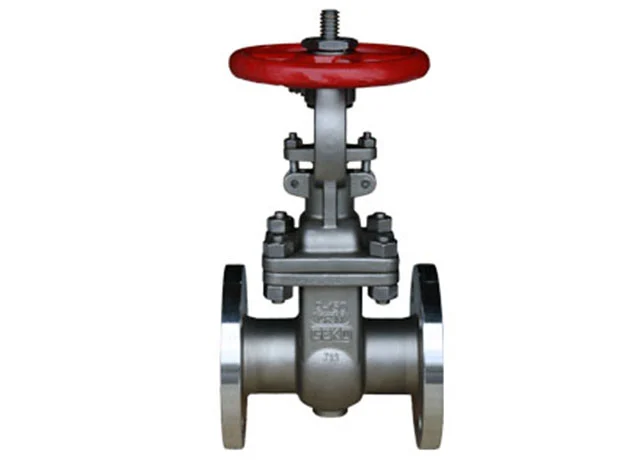
Les vannes à opercule à tige montante et à tige fixe sont deux des types de vannes les plus couramment utilisés dans les applications industrielles. La principale différence entre les deux réside dans le mouvement de la tige, et cette différence structurelle influe sur des aspects tels que les performances de protection, les exigences d'installation, la facilité de maintenance et les scénarios d'application appropriés. Nous allons ici détailler ces différences, des caractéristiques essentielles aux applications pratiques, afin de vous aider à choisir rapidement la vanne la plus adaptée à vos besoins. 1. Différences structurelles et de mouvement de la tigeLa principale caractéristique d'une vanne à opercule à tige montante est que la tige se déplace verticalement de façon synchrone avec le mouvement de l'opercule. Le filetage de la tige est directement exposé à l'extérieur du corps de vanne. À l'ouverture de la vanne, l'opercule se soulève et la tige sort du haut du corps. À la fermeture de la vanne, l'opercule redescend et la tige se rétracte dans le corps. La longueur de la tige permet de déterminer directement le degré d'ouverture de la vanne. En revanche, la vanne à guillotine à tige fixe possède une tige qui ne fait que tourner et ne se déplace pas verticalement avec le guillotine. Le filetage de la tige est dissimulé dans le corps de la vanne et s'engrène avec celui du guillotine. La rotation de la tige actionne le guillotine pour ouvrir ou fermer la vanne. Extérieurement, la tige conserve une longueur fixe et le mécanisme d'ouverture et de fermeture n'est pas visible.2. Caractéristiques de performance et d'utilisation Indication de l'état de la vanneLes vannes à tige montante offrent une indication visuelle intuitive de leur état d'ouverture. Le degré d'ouverture est facilement identifiable par l'observation de l'extension ou de la rétraction de la tige, ce qui s'avère particulièrement utile dans les situations exigeant une visibilité optimale de l'état de la vanne, comme dans les systèmes de lutte contre l'incendie, les stations de pompage et autres infrastructures critiques. Les opérateurs peuvent ainsi évaluer rapidement l'état de la vanne.En revanche, l'état des vannes à tige fixe ne peut être déterminé par observation directe, la tige ne se déplaçant pas verticalement. Il faut alors se fier à l'indicateur de la vanne ou au ressenti de l'opérateur pendant sa manœuvre. Si l'indicateur est absent ou peu lisible, le risque de mauvaise manipulation augmente, rendant le processus plus sujet aux erreurs.Performance de protectionLe filetage de la tige d'une vanne à guillotine montante est exposé aux intempéries et donc plus sensible aux agressions extérieures telles que la poussière, l'humidité et les gaz corrosifs. Avec le temps, ce filetage peut rouiller, se gripper ou être endommagé par des forces extérieures. De ce fait, les vannes à guillotine montante offrent une protection relativement faible et sont donc mieux adaptées aux environnements intérieurs ou propres.À l'inverse, le filetage d'une vanne à guillotine à tige fixe est entièrement dissimulé dans le corps de la vanne, ce qui le protège de la poussière et des agents corrosifs. Cette protection supérieure la rend idéale pour les applications extérieures, souterraines ou en environnements difficiles où le fluide est corrosif ou contient des impuretés.Exigences d'espace pour l'installationLes vannes à tige montante nécessitent un dégagement suffisant au-dessus du corps de vanne pour permettre le mouvement vertical de la tige lors de leur fonctionnement. Un dégagement insuffisant peut entraver l'ouverture et la fermeture correctes de la vanne. Par conséquent, ces vannes ne conviennent pas aux installations dans des espaces confinés, tels que sous les plafonds ou dans les passages étroits d'équipements.Les vannes à tige fixe, quant à elles, ne nécessitent qu'un mouvement de rotation de la tige et aucun espace pour un mouvement vertical. De ce fait, elles sont plus compactes et conviennent aux installations dans des espaces restreints, tels que les canalisations souterraines, les salles des machines de navires ou les réseaux de tuyauterie à forte densité.Difficultés et coûts de maintenanceLes filetages apparents d'une vanne à guillotine à tige montante sont faciles d'entretien. Un nettoyage et une lubrification réguliers préviennent le grippage et la corrosion, et les réparations ne nécessitent pas le démontage complet de la vanne. Les coûts et l'efficacité de la maintenance sont ainsi réduits.Pour les vannes à guillotine à tige fixe, le filetage est dissimulé dans le corps de la vanne, ce qui complique la maintenance courante sans démontage. En cas de grippage ou de corrosion du filetage, un démontage complet est nécessaire pour la réparation, ce qui augmente la complexité, la durée et le coût de la maintenance. Supports et applications adaptésLes vannes à tige montante sont particulièrement adaptées aux fluides propres, tels que l'eau, le pétrole et le gaz naturel, dont les filetages exposés ne sont pas sujets à l'encrassement ni à la corrosion. Elles sont couramment utilisées dans les usines de traitement d'eau, les stations de pompage, les systèmes de lutte contre l'incendie, les canalisations propres de l'industrie pétrochimique et les systèmes d'alimentation en eau et d'évacuation des eaux usées des immeubles de grande hauteur. Intégration des vannes de régulation GEKOLorsqu'on envisage des solutions de vannes haute performance comme les vannes de régulation GEKO, il est important de noter leurs performances supérieures en matière d'étanchéité, de contrôle et de maintenance. Les vannes de régulation GEKO s'intègrent parfaitement aux vannes à tige montante et non montante, notamment dans les environnements industriels où un contrôle précis du débit est essentiel. Par exemple, les vannes GEKO optimisent le fonctionnement des vannes à tige montante grâce à des ajustements automatiques basés sur des données en temps réel, garantissant ainsi des conditions de fonctionnement optimales malgré les contraintes environnementales.Pour les vannes à tige non montante, les vannes de régulation GEKO optimisent leur conception compacte en améliorant leurs performances de contrôle. Elles sont ainsi idéales pour les applications où l'espace est limité, mais où un fonctionnement fiable et efficace de la vanne demeure essentiel. Grâce aux systèmes de contrôle avancés de GEKO, les deux types de vannes bénéficient d'une maintenance prédictive, réduisant ainsi les temps d'arrêt et améliorant l'efficacité globale du système. L'expertise de GEKO en matière de technologies de vannes garantit des performances supérieures de ses systèmes de contrôle, aussi bien dans des environnements propres que dans des environnements difficiles, apportant une valeur ajoutée significative à tout système de canalisation ou de contrôle des fluides.
EN SAVOIR PLUS






 E-mail
: info@geko-union.com
E-mail
: info@geko-union.com
 E-mail
: info@geko-valves.de
E-mail
: info@geko-valves.de
 E-mail
: tw@geko-union.com
E-mail
: tw@geko-union.com
 E-mail
: nl@geko-union.com
E-mail
: nl@geko-union.com



 Réseau IPv6 pris en charge