Guide d'achat essentiel pour l'approvisionnement en vannes à bille industrielles | GEKO Valve
Aug 08, 2026
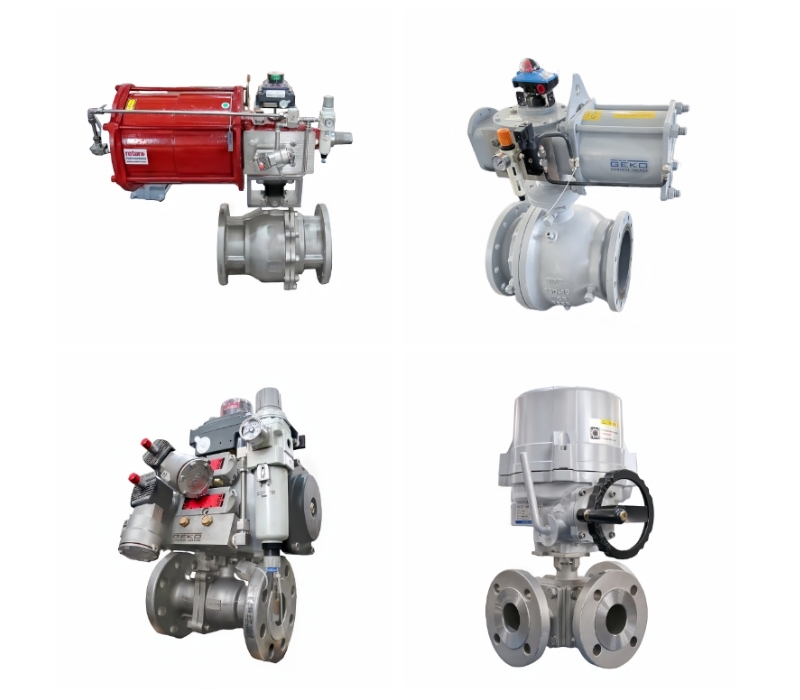
Guide d'achat essentiel pour l'approvisionnement en vannes à bille industriellesL'approvisionnement en vannes à boisseau sphérique industrielles de haute qualité est une étape cruciale pour les projets industriels, la construction de réseaux de canalisations et la maintenance des équipements. Nombre d'acheteurs se concentrent uniquement sur le prix, les dimensions et les délais de livraison, négligeant les paramètres techniques essentiels, la compatibilité des matériaux, la conception structurelle et la vérification des qualifications du fournisseur. Un approvisionnement inadéquat entraîne des fuites fréquentes, des défaillances d'étanchéité, une durée de vie réduite, des arrêts système imprévus et une augmentation des coûts d'exploitation à long terme. Ce guide d'achat essentiel couvre toutes les étapes clés pour se procurer des vannes à bille industrielles fiables, aidant ainsi les ingénieurs d'approvisionnement, les chefs de projet et les intégrateurs de systèmes à prendre des décisions d'achat rentables, sûres et conformes pour les systèmes de tuyauterie industrielle pétrochimique, de centrales électriques, de traitement de l'eau, de gaz naturel et de produits chimiques. 1. Confirmer les exigences exactes en matière de conditions de travail avant de faire une demande.Le manque de précision des spécifications techniques est la principale cause d'erreurs dans le choix des vannes. Avant de contacter les fournisseurs, les acheteurs doivent impérativement définir précisément les paramètres de fonctionnement sur site afin de garantir une compatibilité parfaite avec les modèles.Fluide : Préciser clairement s’il s’agit d’eau claire, de vapeur, de pétrole brut, de gaz naturel, de liquide chimique corrosif, de boue ou de fluide cryogénique. Les propriétés du fluide déterminent le matériau du corps de vanne, le type de joint et la configuration anticorrosion.- Plage de pression et de température : Vérifier la pression nominale, la surpression instantanée maximale, la température de service continue et les conditions de température extrêmes. La classe de pression (de 150 à 900) et la résistance à la température déterminent directement la sécurité structurelle de la vanne.Fonctionnement des vannes : Distinguer le service d’arrêt complet du service de régulation de débit proportionnelle. Les vannes à boisseau sphérique standard servent à l’isolation marche/arrêt, tandis que les vannes à boisseau sphérique à passage en V sont nécessaires pour une modulation précise du débit.- Spécifications du pipeline : Confirmer le diamètre du tuyau, la demande de passage complet ou réduit, et le type de raccordement d’extrémité, y compris à brides, fileté, à souder bout à bout et à souder par emboîtement.- Mode de fonctionnement : Sélectionnez l'actionnement manuel, pneumatique, électrique ou hydraulique en fonction des exigences du système de commande automatique et des conditions d'alimentation/gaz sur site. 2. Sélectionner le type de structure de vanne à bille appropriéLes différentes structures de vannes à bille correspondent à des scénarios d'application totalement différents. Choisir la structure appropriée permet d'éviter les surcoûts liés à un surdimensionnement ou les risques pour la sécurité liés à un sous-dimensionnement.Vanne à bille flottante : idéale pour les canalisations industrielles générales de petit diamètre et à basse ou moyenne pression. De conception simple et économique, elle convient au traitement de l’eau, aux systèmes de chimie légère et aux réseaux de gaz courants.Vanne à bille à tourillon : conçue pour les grands diamètres, les hautes pressions et les commutations fréquentes. Elle offre un couple faible et stable ainsi qu’une longue durée de vie, et convient aux applications de transport de pétrole et de gaz, aux centrales électriques et aux grands projets pétrochimiques.- Vanne à bille en trois parties : Maintenance en ligne facile sans démontage de la canalisation, idéale pour les équipements nécessitant une inspection et un nettoyage réguliers.- Vannes à bille spécialisées : vannes à passage en V pour la régulation du débit, vannes sanitaires pour les industries agroalimentaires et pharmaceutiques, vannes cryogéniques pour les fluides à très basse température et vannes multivoies pour les systèmes de dérivation et de mélange de fluides. 3. Vérifier la compatibilité des matériaux du corps et du jointL'inadéquation des matériaux est la principale cause de défaillance prématurée des vannes à bille en cours de fonctionnement. Les acheteurs doivent s'assurer de la conformité des matériaux aux caractéristiques du fluide utilisé.- Acier au carbone WCB : Convient pour la vapeur, l'huile en général et les fluides non corrosifs dans les canalisations auxiliaires des centrales électriques.- Acier inoxydable SS304/SS316 : Convient pour l'eau, les acides faibles, les milieux alcalins et les milieux chimiques corrosifs en général.- Acier duplex : utilisé pour l'eau de mer, la saumure et les environnements de travail fortement corrosifs.- Siège souple (PTFE/RPTFE/PEEK) : assure une étanchéité parfaite pour le fluide propre à température normale et moyenne.- Siège dur métal sur métal : Adapté aux conditions de haute température, de haute pression, de boues abrasives et de fluides à grande vitesse. 4. Vérifier les certifications de sécurité et industrielles standardLes vannes à boisseau sphérique industrielles qualifiées doivent être conformes aux normes internationales afin de garantir la sécurité des projets et de réussir les inspections techniques. L'approvisionnement professionnel doit vérifier les certifications essentielles.- Norme API 6D pour l'industrie du pétrole et du gaz naturel- Certification du système de management de la qualité ISO 9001- Certification CE de sécurité pour le marché européen- Certification de résistance au feu et antistatique pour les canalisations de fluides inflammables- Rapport d'essai des matériaux (MTR) et rapport d'inspection en usine5. Équilibrer le coût d'achat et la valeur du cycle de vie à long terme Lors de leurs achats, de nombreux acquéreurs privilégient les prix d'achat initiaux les plus bas. Les vannes à boisseau sphérique bon marché sont généralement fabriquées avec des matières premières de qualité inférieure, présentent une fonderie grossière et des systèmes d'étanchéité simplifiés. Malgré un coût initial réduit, elles sont sujettes aux fuites, aux blocages et nécessitent des remplacements fréquents, ce qui engendre des coûts d'exploitation et de maintenance plus élevés.L'approvisionnement professionnel exige une évaluation complète de la durée de vie des vannes, du cycle de maintenance, de l'universalité des pièces de rechange et de la rapidité de réponse du service après-vente, en privilégiant la valeur opérationnelle stable à long terme plutôt qu'un prix bas temporaire. 6. Évaluer la solidité et les capacités de service du fournisseurL'excellence des produits repose sur la fiabilité des fabricants. Lors de l'approvisionnement en vannes à boisseau sphérique industrielles, les acheteurs doivent privilégier la solidité du fabricant plutôt que les intermédiaires.- Usine de fabrication de vannes professionnelle dotée d'équipements de production et de test complets- Solide expérience de projets dans les secteurs de l'énergie, de la pétrochimie et du traitement de l'eau- Prise en charge des paramètres personnalisés, des configurations de matériaux spéciales et du service OEM- Cycle de livraison stable et assistance technique après-vente irréprochable 7. Confirmer les conditions d'installation, de maintenance et de service après-venteAvant de finaliser les commandes, veuillez confirmer les conditions après-vente détaillées, notamment la durée de la garantie, l'assistance à l'installation sur site, l'efficacité du dépannage et la disponibilité des pièces détachées. Les vannes à boisseau sphérique industrielles étant des équipements essentiels pour les canalisations, un service après-vente irréprochable permet d'éviter les retards de projet dus à des défauts de fabrication.Erreurs courantes d'approvisionnement à éviter- Sélection de vannes à usage général pour des conditions de travail spéciales à haute pression, haute température ou corrosives- Ignorer les rapports d'essais des matériaux et les certifications industrielles pour réduire les coûts- Correspondance uniquement avec le diamètre des tuyaux, sans tenir compte de la pression et des exigences de débit- Achat de vannes non standard qui ne peuvent pas être utilisées avec les systèmes de canalisations et les actionneurs courants. ConclusionL'approvisionnement en vannes à boisseau sphérique industrielles est un processus technique rigoureux qui exige une analyse approfondie des conditions de fonctionnement, du type de structure, des matériaux utilisés, des certifications de sécurité, de la solidité du fournisseur et du coût du cycle de vie, et non une simple comparaison des prix. Des processus d'approvisionnement standardisés permettent d'éviter efficacement les défaillances de produits, les reprises de projets et les pertes économiques.GEKO Valve est un fabricant professionnel de vannes à boisseau sphérique industrielles, proposant des vannes à boisseau sphérique flottantes, à tourillon, en trois parties et des vannes sur mesure. Nous offrons une solution complète incluant la sélection technique, la production personnalisée, une livraison fiable et un service après-vente performant pour les projets de tuyauterie industrielle à l'échelle mondiale, nous positionnant ainsi comme un partenaire d'approvisionnement fiable et durable pour les acheteurs industriels.
EN SAVOIR PLUS






 E-mail
: info@geko-union.com
E-mail
: info@geko-union.com
 E-mail
: info@geko-valves.de
E-mail
: info@geko-valves.de
 E-mail
: tw@geko-union.com
E-mail
: tw@geko-union.com
 E-mail
: nl@geko-union.com
E-mail
: nl@geko-union.com



 Réseau IPv6 pris en charge