


QU'EST-CE QUE TU CHERCHES?
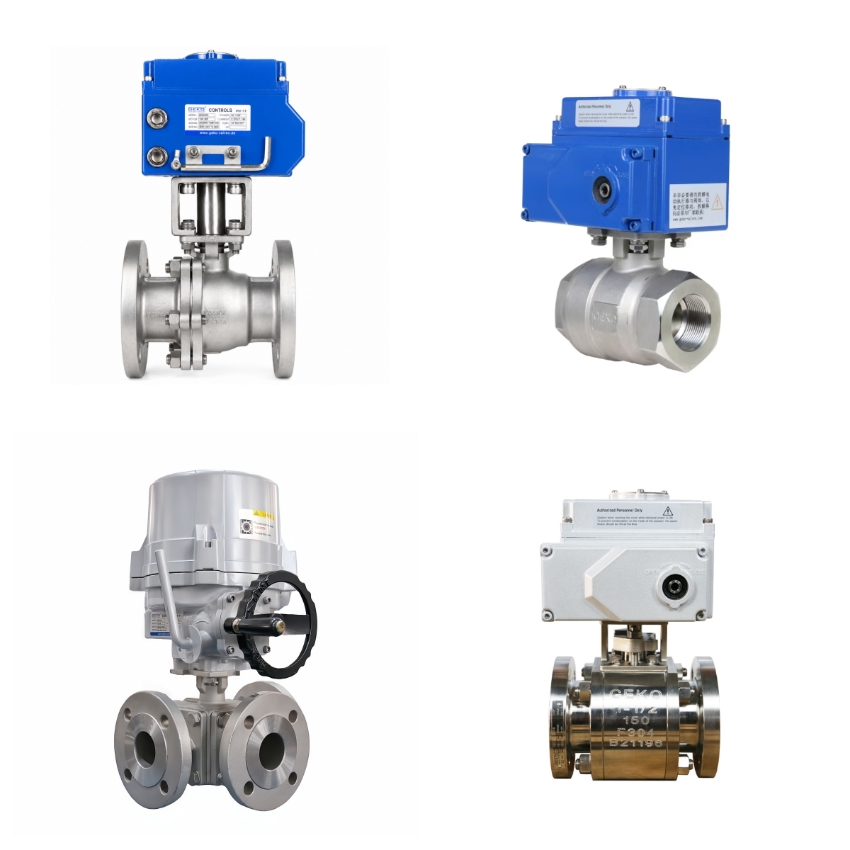
Vannes à bille actionnées – également connu sous le nom de vanne à bille pneumatique et vanne à bille électrique Les ensembles permettent une régulation automatique du débit (marche/arrêt ou modulation) pour les réseaux de tuyauterie industriels modernes, éliminant les interventions manuelles et prenant en charge l'intégration à distance avec les systèmes SCADA, PLC et DCS. Choisir la vanne à boisseau sphérique automatisée adaptée ne se limite pas à associer un corps de vanne à un actionneur ; les ingénieurs doivent évaluer la conception de la vanne, les exigences de couple, le type d'actionneur, les signaux de communication, les classifications pour zones dangereuses et la durée de vie. Quel que soit votre projet, il doit être adapté à vos besoins. vanne à bille flottante, vanne à bille montée sur tourillon, vanne à bille à passage intégral ou vanne à bille à passage réduit Dans une conception adaptée, un assemblage correct garantit fiabilité, sécurité et disponibilité à long terme. GEKO Valve fournit des vannes pré-testées. vanne à bille à commande pneumatique et vanne à bille motorisée Des solutions conçues pour les systèmes d'automatisation des procédés chimiques, énergétiques, de traitement de l'eau, pétroliers et gaziers.
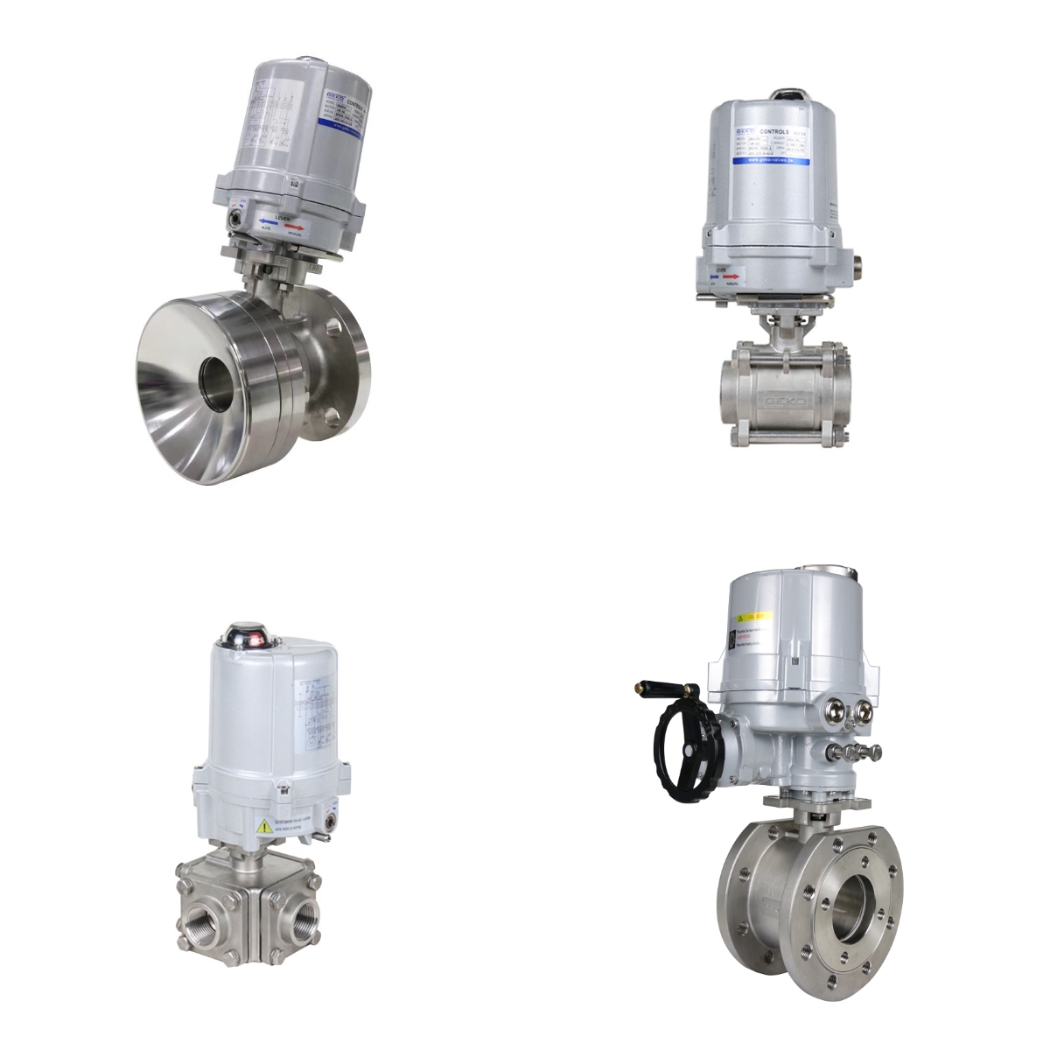
Commencez par clarifier la fonction de la vanne : simple isolation marche/arrêt ou régulation modulante continue. Documentez le fluide, la pression de service, la température, la viscosité du fluide et sa compatibilité chimique. Ces paramètres déterminent directement les exigences. Couple de l'actionneur de la vanne à bille, le choix des matériaux et le type de scellement. Pour les milieux érosifs, à haute température ou acides, un vanne à bille à siège métallique Il est souvent nécessaire d'utiliser des actionneurs à siège souple, tandis que les modèles à siège souple conviennent aux environnements propres et à basse température. Il convient également de vérifier la fréquence du cycle : une production par lots intermittente exige une durabilité d'actionneur différente de celle requise pour une automatisation continue à haute fréquence. Lors de la recherche de fournisseurs, les acheteurs peuvent rencontrer d'autres termes utilisés dans le secteur, notamment : vanne à bille à commande pneumatique et vanne à bille à commande électrique – ces catégories font référence aux mêmes catégories principales de vannes à bille automatisées.
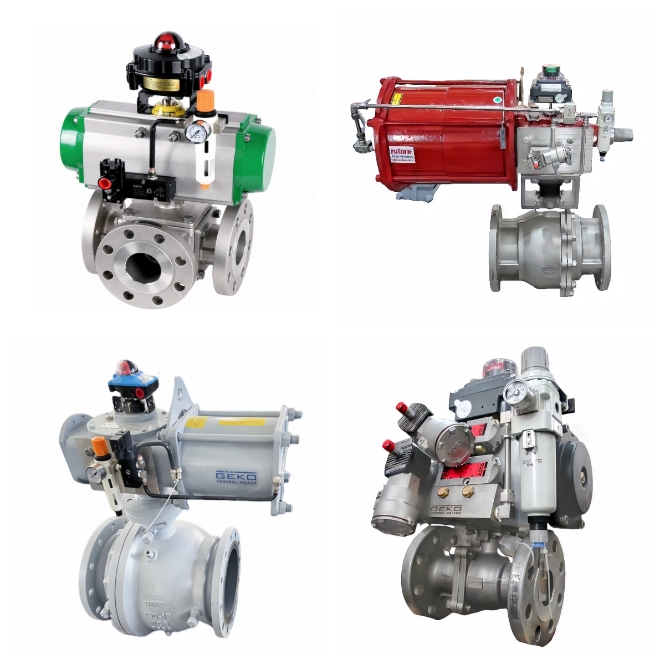
Comment éviter les erreurs de sélection: Capturez la pression différentielle maximale à la fermeture, car il s'agit de la principale donnée d'entrée pour le calcul de la rupture Couple de l'actionneur de la vanne à billeNe vous fiez pas uniquement à la taille nominale de la vanne pour spécifier votre vanne à bille pneumatique ou vanne à bille électrique.
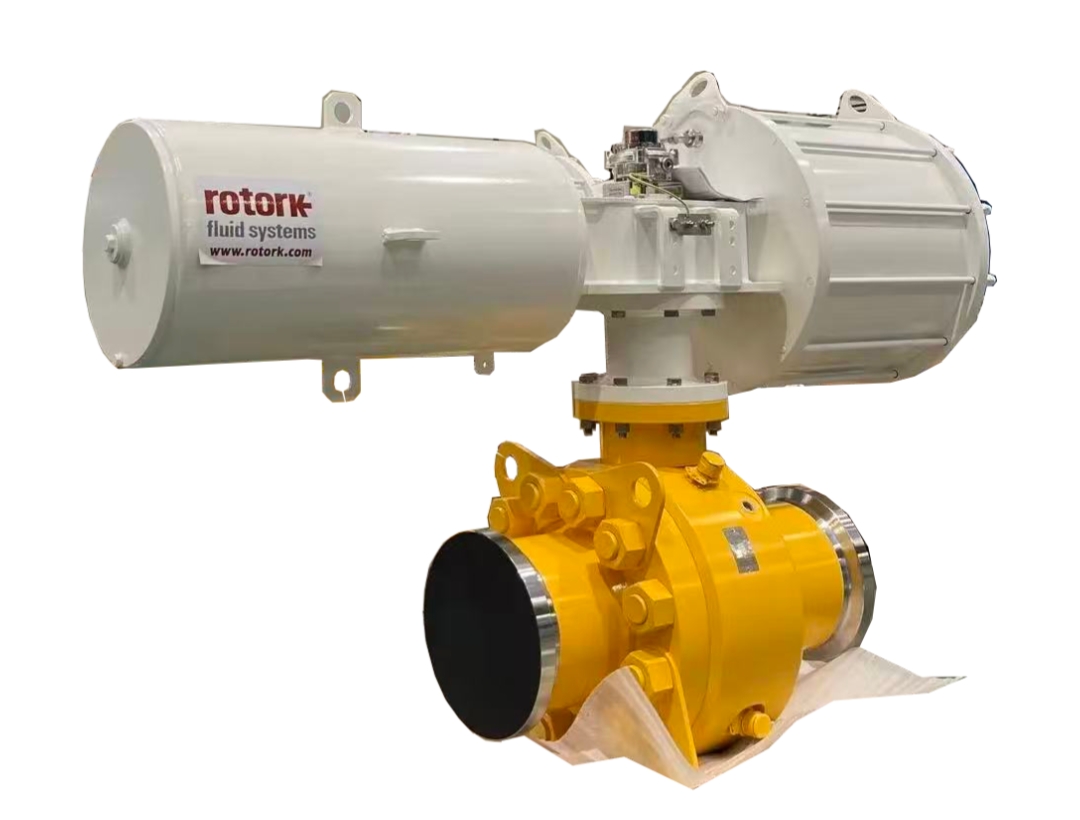
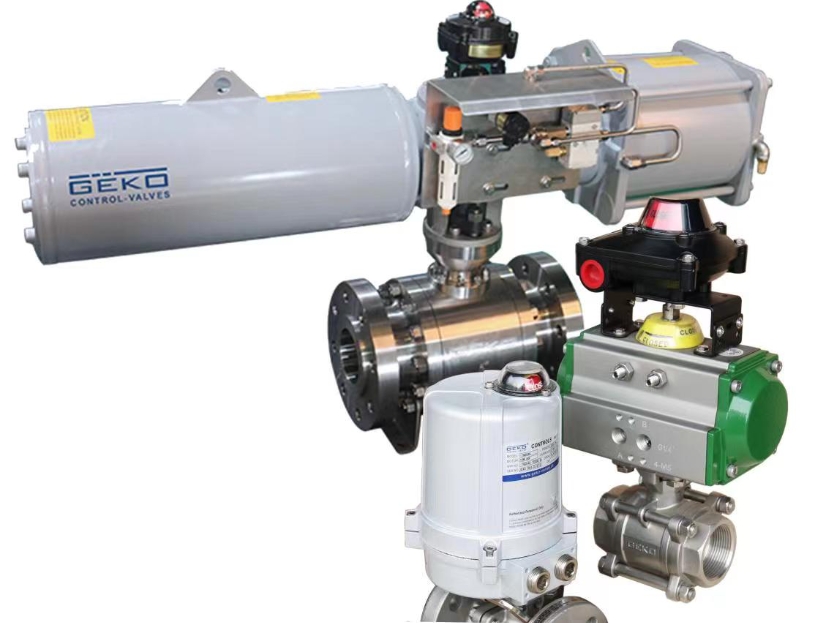
La conception de base du robinet à bille détermine le couple de base, le débit et la perte de charge. vanne à bille à passage intégral minimise chute de pression dans une vanne à bille industrielle et permet le raclage des pipelines, idéal pour les conduites de transfert. vanne à bille à passage réduit Il est compact et économique lorsqu'une perte de pression modérée est acceptable. vanne à bille flottante fonctionne bien pour les petites tailles et les classes de pression inférieures, tandis que les applications intensives vanne à bille montée sur tourillon gère les applications à grand NPS, haute pression et couple élevé telles que vanne à bille de pipeline l'automatisation, généralement construite comme vanne à bille à commande pneumatique ou vanne à bille motorisée colis.
Comment éviter les erreurs de sélection: Adapter le diamètre d'alésage au coefficient de débit requis via les moyens appropriés Calcul du coefficient de débit (Cv) d'une vanne à bille au lieu d'utiliser par défaut la taille du tuyau, notamment pour la modulation vanne à bille à commande électrique paquets de contrôle.
vanne à bille pneumatique (également étiqueté vanne à bille à commande pneumatique / vanne à bille à commande pneumatiqueCe type de vérin est largement privilégié pour les applications à course rapide, à couple élevé et en environnement antidéflagrant ; il fonctionne à l’air comprimé et est couramment utilisé dans les usines chimiques et les raffineries. Les versions pneumatiques à rappel par ressort offrent une sécurité de type ouverture ou fermeture en cas de défaillance.
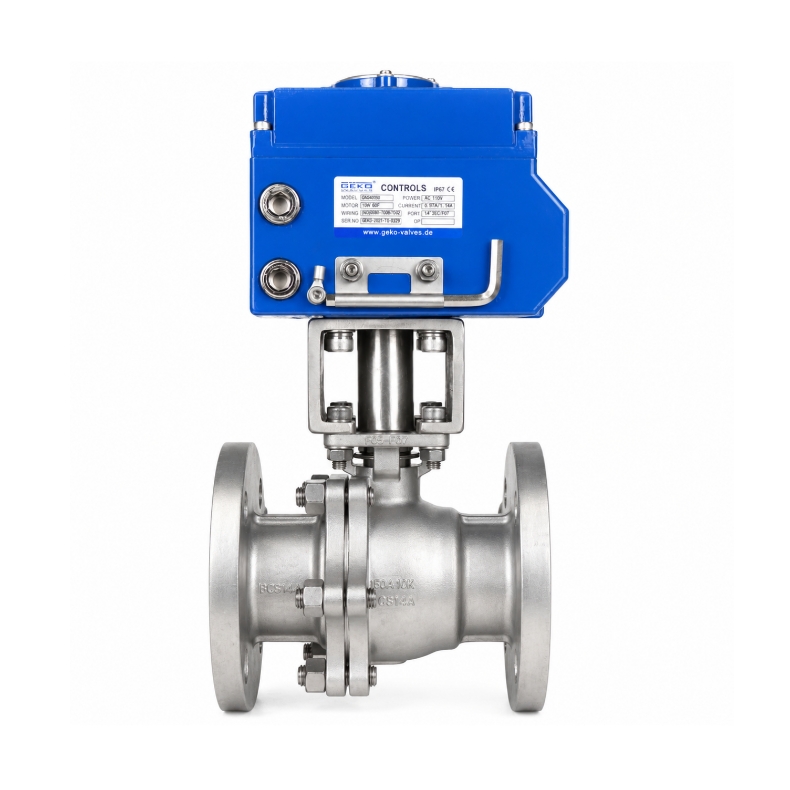
vanne à bille électrique, également appelé vanne à bille motorisée ou vanne à bille à commande électrique, convient aux sites dépourvus d'air comprimé fiable, offre un positionnement précis pour un service modulant et s'intègre facilement avec les protocoles d'automatisation numérique 4-20 mA, Modbus ou autres.
Comment éviter les erreurs de sélectionVérifiez la qualité de l'alimentation électrique disponible ou de l'air comprimé et définissez les mesures de sécurité dès le début de la fiche technique. Ne sous-dimensionnez jamais l'actionneur pour le couple de déclenchement à la pression différentielle de fonctionnement maximale. vanne à bille à commande pneumatique ou vanne à bille motorisée.
Le déséquilibre des couples est l'une des principales causes de défaillance des ensembles automatisés. Le couple de sortie de l'actionneur doit dépasser le couple de déclenchement de la vanne avec une marge de sécurité appropriée, en tenant compte des fluides froids, des fluides visqueux, du frottement du siège et de l'usure cyclique. vanne à bille montée sur tourillon et grand vanne à bille de pipeline nécessitent un couple nettement supérieur à celui des petits vanne à bille flottante unités, qu'elles soient configurées comme vanne à bille pneumatique ou vanne à bille électrique. Toujours se référer aux courbes de couple du fabricant à la pression différentielle nominale, et non pas seulement aux conditions statiques nominales.
Comment éviter les erreurs de sélectionUtilisez des calculs Couple de l'actionneur de la vanne à bille des valeurs plus une marge de sécurité de 25 % à 50 % pour les conditions d'utilisation difficiles, et assistez aux tests d'accident vasculaire cérébral pendant les tests d'acceptation en usine (FAT) pour votre vanne à bille à commande pneumatique ou vanne à bille à commande électrique.
Le choix du siège influe sur la fiabilité de l'automatisation et l'étanchéité. Les sièges souples (PTFE, RTFE) assurent une étanchéité parfaite pour les fluides propres, tandis que… vanne à bille à siège métallique Résiste aux hautes températures, aux boues abrasives et aux exigences de sécurité incendie. Vérifiez que les matériaux du corps, de la bille et de la tige sont compatibles avec le fluide de process afin de prévenir la corrosion. Pour les environnements explosifs, exigez la certification ATEX, IECEx ou CSA pour les actionneurs, les solénoïdes et les positionneurs. vanne à bille à commande pneumatique et vanne à bille motorisée assemblages.
Comment éviter les erreurs de sélection: Vérifiez les tableaux de compatibilité des matériaux et les exigences en matière d'émissions fugitives pour les milieux toxiques ou volatils lors de la sélection vanne à bille pneumatique ou vanne à bille électrique.
Basique vanne à bille à commande pneumatique Les ensembles peuvent ne nécessiter que des interrupteurs de fin de course, tandis que la régulation modulante en boucle fermée requiert des positionneurs, des électrovannes, des régulateurs de filtre à air et des transmetteurs de position. Les interrupteurs de fin de course fournissent un retour d'information discret aux automates programmables pour confirmer l'état ouvert/fermé ; les positionneurs intelligents fournissent un retour d'information continu de 4 à 20 mA ou un signal numérique pour une régulation précise du débit. vanne à bille à commande électrique / vanne à bille motoriséeLes commutateurs auxiliaires et les cartes de modulation de signaux sont des accessoires courants. Ces accessoires doivent être compatibles avec le type d'actionneur, la classification de la zone et le protocole du système de commande.
Comment éviter les erreurs de sélectionVeuillez indiquer tous les signaux de retour d'information et de contrôle requis dans la demande de devis afin de garantir l'intégralité du processus. vanne à bille à commande pneumatique ou vanne à bille électrique Le colis arrive pré-assemblé, calibré et prêt à être mis en service.
Les systèmes automatisés à cycle élevé exigent des tests de durée de vie validés. Demandez des rapports de tests d'acceptation en usine (FAT) incluant le temps de course, la vérification du couple, le test d'étanchéité et la réponse du signal. Les fournisseurs réputés pré-assemblent, calibrent et testent l'ensemble du système. vanne à bille pneumatique ou vanne à bille électrique Assemblage avant expédition, réduisant les problèmes d'alignement sur site. Pour les applications critiques. vanne à bille de pipeline Des colis, des tests en présence de témoins et une inspection par un tiers peuvent être nécessaires pour vanne à bille motorisée et vanne à bille à commande pneumatique options.
Comment éviter les erreurs de sélection: Exiger les rapports d'entretien, les certificats de couple et les enregistrements FAT pour tous vanne à bille à commande pneumatique et vanne à bille à commande électrique colis.
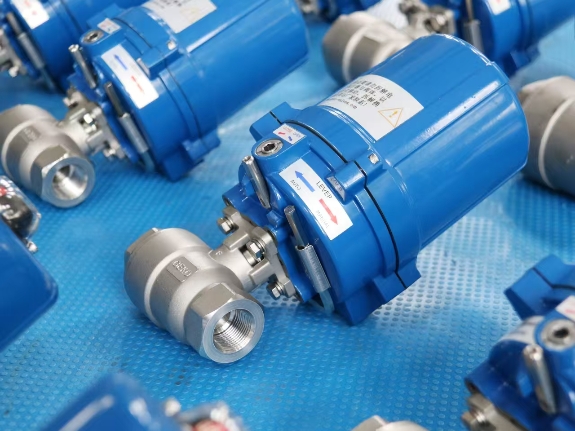
GEKO Valve fournit des vannes entièrement assemblées et testées vanne à bille pneumatique et vanne à bille électrique Solutions pour l'automatisation industrielle. Notre gamme comprend : vanne à bille à commande pneumatique / vanne à bille à commande pneumatique ainsi que vanne à bille à commande électrique / vanne à bille motorisée, construit sur vanne à bille flottante et robuste vanne à bille montée sur tourillon plateformes, disponibles en tant que vanne à bille à passage intégral ou vanne à bille à passage réduit, avec un siège moelleux et robuste vanne à bille à siège métallique configurations. Nous complétons Calcul du coefficient de débit (Cv) d'une vanne à bille et vérification du couple pour correspondre Couple de l'actionneur de la vanne à bille à la pression différentielle réelle de votre procédé, y compris les pressions critiques vanne à bille de pipeline packages d'automatisation. Chaque vanne à bille à commande pneumatique et vanne à bille motorisée L'assemblage est testé en course avant expédition, ce qui aide les intégrateurs et les équipes d'usine à réduire les retards de mise en service et à contrôler les défauts indésirables. chute de pression dans une vanne à bille industrielle.
Correctement spécifié vanne à bille pneumatique et vanne à bille électrique Ces ensembles permettent un contrôle automatisé des flux stable et répétable, réduisent l'intervention manuelle et contribuent à un fonctionnement plus sûr et plus efficace des installations de traitement.

 E-mail
: info@geko-union.com
E-mail
: info@geko-union.com
 E-mail
: info@geko-valves.de
E-mail
: info@geko-valves.de
 E-mail
: tw@geko-union.com
E-mail
: tw@geko-union.com
 E-mail
: nl@geko-union.com
E-mail
: nl@geko-union.com



 Réseau IPv6 pris en charge